
Directors · CAPRA Dossier

Alfred Hitchcock
1925–1976 · 48 scored directed films · Leytonstone, London, England, UK
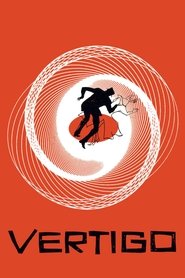
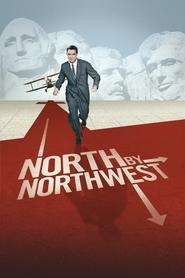
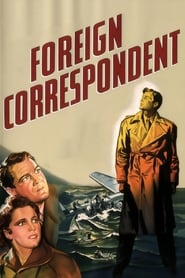
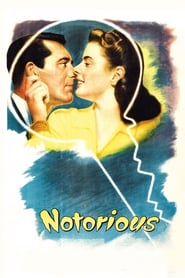
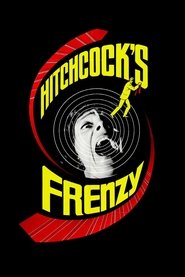
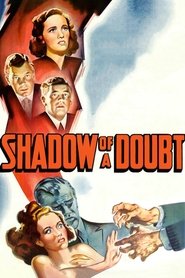
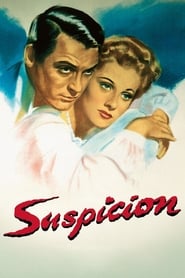
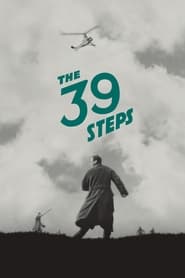
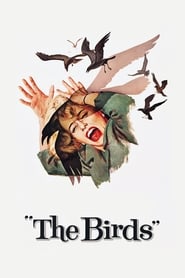
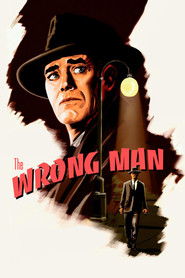
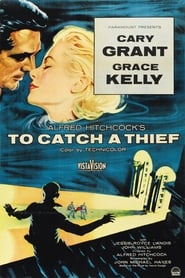
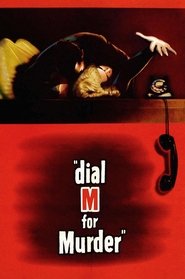
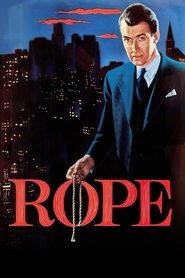
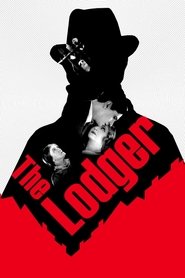
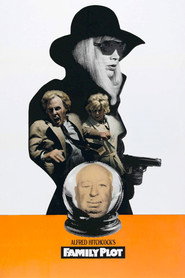
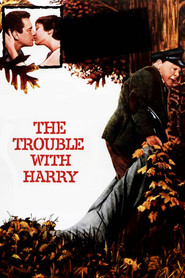
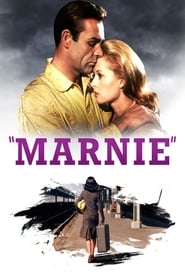
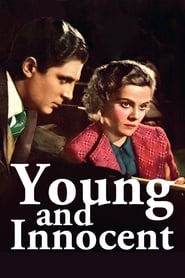
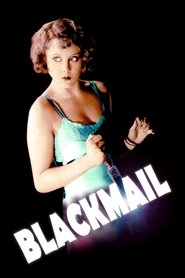
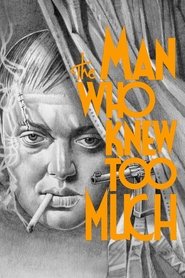
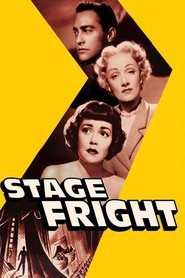
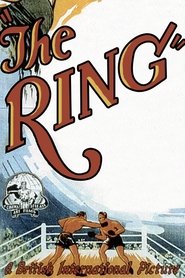
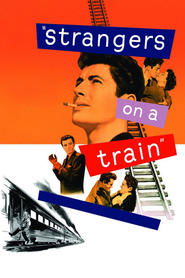
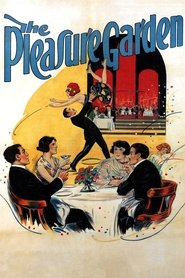
Sir Alfred Joseph Hitchcock (August 13, 1899 – April 29, 1980) was an English film director. He is widely regarded as one of the most influential figures in cinema history. In a career spanning six decades, he directed over 50 feature films, many of which are still widely watched and studied today. Known as the "Master of Suspense", Hitchcock became as well known as any of his actors thanks to his many interviews, cameo appearances in most of his films, and hosting and producing the television anthology Alfred Hitchcock Presents (1955–65). His films garnered 46 Academy Award nominations, including six wins. However, despite five nominations, he never won the Best Director award. Hitchcock initially trained as a technical clerk and copywriter before entering the film industry in 1919 as a title card designer. The British–German silent film The Pleasure Garden (1925) was his directorial debut. His first successful film, The Lodger: A Story of the London Fog (1927), helped to shape the thriller genre, and Blackmail (1929) was the first British "talkie". His thrillers The 39 Steps (1935) and The Lady Vanishes (1938) are ranked among the greatest British films of the 20th century. By 1939, he had international recognition and producer David O. Selznick persuaded him to move to Hollywood. A string of successful films followed, including Rebecca(1940), Foreign Correspondent (1940), Suspicion (1941), Shadow of a Doubt (1943) and Notorious (1946). Rebecca won the Academy Award for Best Picture, with Hitchcock nominated as Best Director. He also received Oscar nominations for Lifeboat (1944), Spellbound (1945), Rear Window (1954) and Psycho (1960). Hitchcock's other notable films include Rope (1948), Strangers on a Train (1951), Dial M for Murder (1954), To Catch a Thief (1955), The Trouble with Harry (1955), Vertigo (1958), North by Northwest (1959), The Birds (1963), Marnie (1964) and Frenzy (1972), all of which were also financially successful and are highly regarded by film historians. Hitchcock made several films with some of the biggest stars in Hollywood, including four with Cary Grant, four with James Stewart, three with Ingrid Bergman and three consecutively with Grace Kelly. Hitchcock became an American citizen in 1955. In 2012, Hitchcock's psychological thriller Vertigo, starring Stewart, displaced Orson Welles' Citizen Kane (1941) as the British Film Institute's greatest film ever made based on its worldwide poll of hundreds of film critics. As of 2021, nine of his films had been selected for preservation in the United States National Film Registry, including his favourite, Shadow of a Doubt (1943). He received the BAFTA Fellowship in 1971, the AFI Life Achievement Award in 1979, and was knighted in December of that year, four months before his death on 29 April 1980.
Directing Filmography (48 of 48 counted)

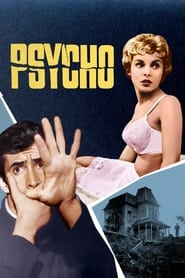
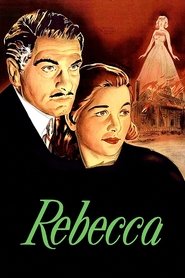
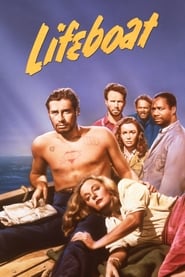


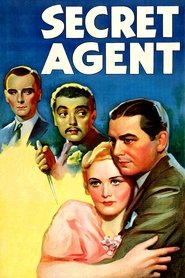
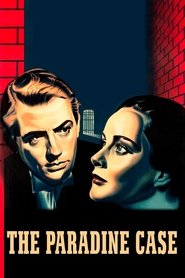
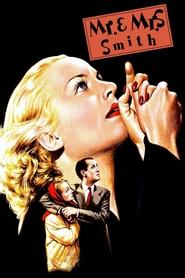
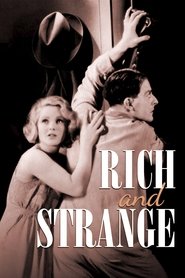
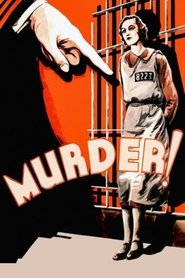
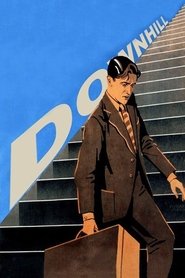
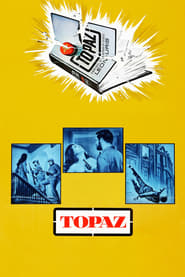
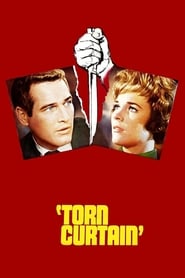



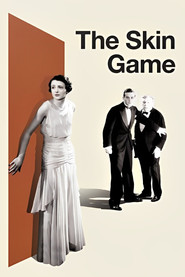
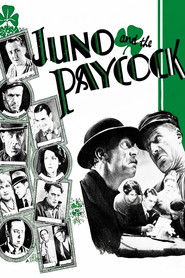
How we measure: Only released feature films (40+ minutes) are counted — video box sets, compilations, shorts, documentaries, and upcoming releases are excluded unless award-recognized. Box office is the domestic (US & Canada) theatrical gross, and PACINO always adjusts it to 2026 dollars using historical US Bureau of Labor Statistics CPI-U annual averages (1913–2026) so stars from every era compete on equal footing. Overseas earnings are not counted, which can undersell stars whose biggest hits played mainly abroad. Reception blends critics (75% Metacritic, 25% Rotten Tomatoes, with RT-only films calibrated to that same blend) 50/50 with fans (IMDb user ratings). Click any film's PACINO score for its full breakdown. Figures come from public sources and can be incomplete, especially for older, foreign and smaller releases.