
Directors · CAPRA Dossier

John Huston
1941–1987 · 38 scored directed films · Nevada, Missouri, USA
John Marcellus Huston (August 5, 1906 – August 28, 1987) was an American film director, screenwriter, actor, and visual artist. He wrote the screenplays for most of the 37 feature films he directed, many of which are today considered classics: The Maltese Falcon (1941), The Treasure of the Sierra Madre (1948), The Asphalt Jungle (1950), The African Queen (1951), The Misfits (1961), Fat City (1972), The Man Who Would Be King (1975) and Prizzi's Honor (1985). In his early years, Huston studied and worked as a fine art painter in Paris. He explored the visual aspects of his films throughout his career, sketching each scene on paper beforehand, then carefully framing his characters during the shooting. While most directors rely on post-production editing to shape their final work, Huston instead created his films while they were being shot, with little editing needed. Some of Huston's films were adaptations of important novels, often depicting an "heroic quest," as in Moby Dick, or The Red Badge of Courage. In many films, different groups of people, while struggling toward a common goal, would become doomed, forming "destructive alliances," giving the films a dramatic and visual tension. Many of his films involved themes such as religion, meaning, truth, freedom, psychology, colonialism, and war. Huston has been referred to as "a titan", "a rebel", and a "renaissance man" in the Hollywood film industry. Author Ian Freer describes him as "cinema's Ernest Hemingway"—a filmmaker who was "never afraid to tackle tough issues head on." During his 46-year career, Huston received 15 Oscar nominations, winning twice. He directed both his father, Walter Huston, and daughter, Anjelica Huston, to Oscar wins. Description above from the Wikipedia article John Huston, licensed under CC-BY-SA, full list of contributors on Wikipedia.
Directing Filmography (38 of 38 counted)
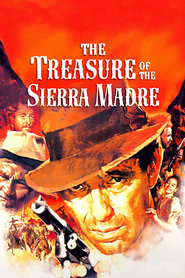
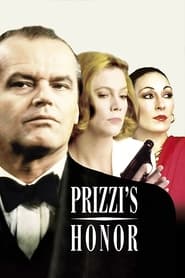
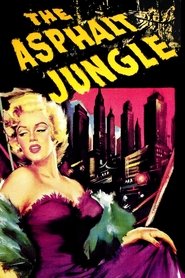
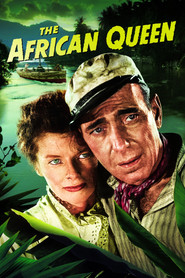

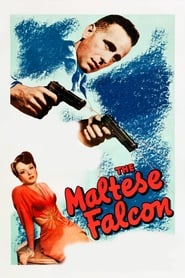

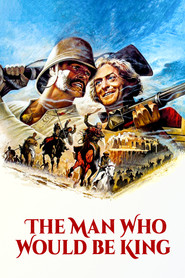


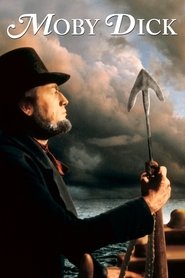
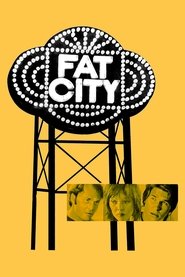

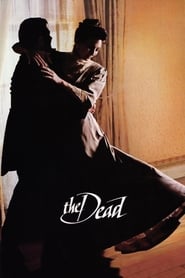


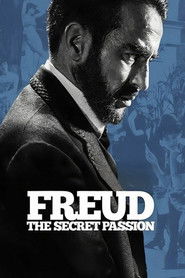

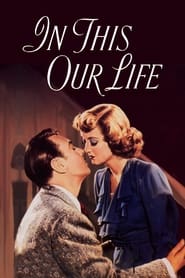
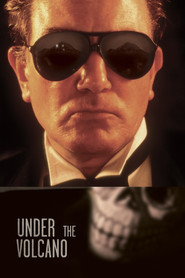




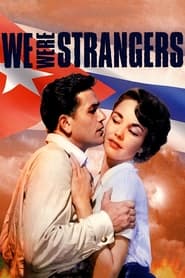


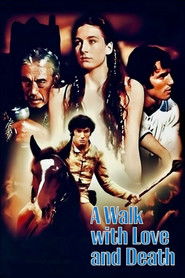
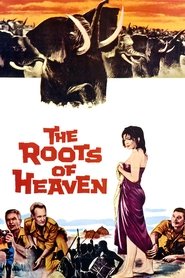
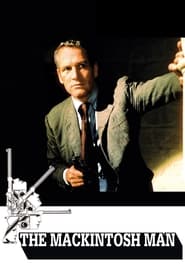
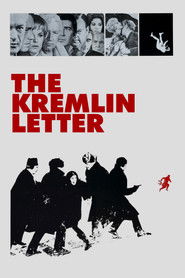

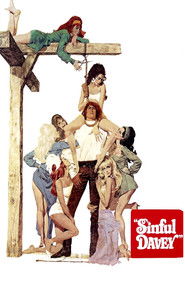



How we measure: Only released feature films (40+ minutes) are counted — video box sets, compilations, shorts, documentaries, and upcoming releases are excluded unless award-recognized. Box office is the domestic (US & Canada) theatrical gross, and PACINO always adjusts it to 2026 dollars using historical US Bureau of Labor Statistics CPI-U annual averages (1913–2026) so stars from every era compete on equal footing. Overseas earnings are not counted, which can undersell stars whose biggest hits played mainly abroad. Reception blends critics (75% Metacritic, 25% Rotten Tomatoes, with RT-only films calibrated to that same blend) 50/50 with fans (IMDb user ratings). Click any film's PACINO score for its full breakdown. Figures come from public sources and can be incomplete, especially for older, foreign and smaller releases.