
Directors · CAPRA Dossier
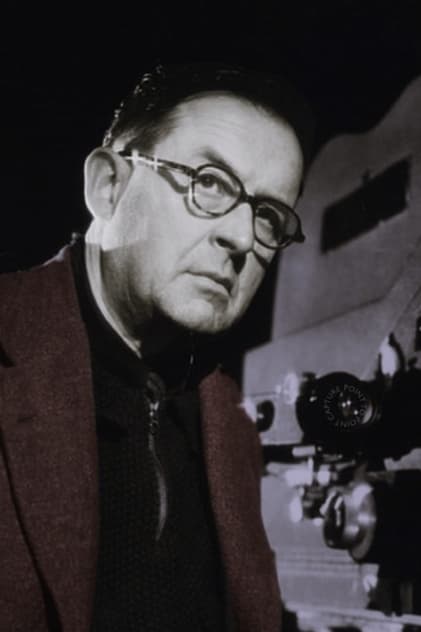
Alberto Cavalcanti
1927–1961 · 15 scored directed films · Rio de Janeiro, Rio de Janeiro, Brazil
Alberto de Almeida Cavalcanti was a Brazilian-born film director and producer. He was born in Rio de Janeiro, the son of a prominent mathematician. He was a precociously intelligent child, and by the age of 15 was studying law at university. Following an argument with a professor he was expelled. His father sent him to Geneva, Switzerland on condition that he did not study law or politics. Cavalcanti chose to study architecture instead. At 18 he moved to Paris to work for an architect, later switching to working on interior design. After a visit back to Brazil he took up a position at the Brazilian consulate in Liverpool, England. Cavalcanti corresponded with Marcel L'Herbier, a leading light in France's avant-garde film movement. This led to a job offer from L'Herbier for Cavalcanti to work as a set designer. So, in 1920 he left his job at the Consulate and moved back to France to work for L'Herbier; he was to be involved in the making of numerous films, the most notable being L'Inhumaine. He was soon making his own films, in 1926 directing his first, Rien Que les Heures (Nothing But Time) — a day in the life of Paris and its citizens. In 1927 he collaborated with Walter Ruttmann on a similar project set in Berlin, called Berlin: Die Sinfonie der Großstadt (Berlin: Symphony of a Big City). Cavalcanti took a job with Paramount's French studios after the talkies came in, but he found himself making more commercial films which could not hold his interest and left Paramount in 1933. In the same year he returned to England to work for John Grierson's GPO Film Unit. He was involved in many capacities, from production to sound engineer. He was to spend seven years at the GPO Film Unit, working on many projects. Much of his work at the GPO was uncredited, he acted as a mentor to many new film makers, but in 1937 he was appointed acting head of the GPO Film Unit when Grierson left for Canada. When told that the only way the position could become permanent was to become a naturalized British citizen, he decided to leave the unit. In 1940 Cavalcanti joined Ealing Studios, under the leadership of producer Michael Balcon. He worked as an art editor, producer and director. His most notable works of this period (many of them propaganda films) were Yellow Caesar (1941), Went the Day Well? (1942), Three Songs of Resistance (1943), Champagne Charlie (1944), Dead of Night (as co-director) (1945) and Nicholas Nickleby (1947). In 1946 Cavalcanti left Ealing over a dispute about money. He went on to direct three more films in the UK, before returning to Brazil in 1950. In Brazil he worked as a producer for Companhia Cinematográfica Vera Cruz; the company eventually became insolvent. After being blacklisted as a communist in Brazil, he decided to move back to Europe in 1954. He eventually settled in France, where he continued his work in television. He died in Paris in 1982 at the age of 85.
Directing Filmography (15 of 15 counted)
| Count | Film | Awards | ||||||||
|---|---|---|---|---|---|---|---|---|---|---|
| 1945 | 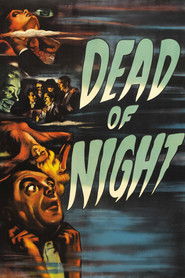 Dead of NightHorror · Thriller | — | — | 96% | — | 75 | ||||
| 1942 | 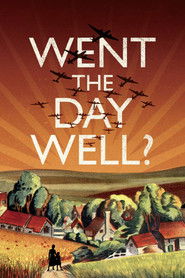 Went the Day Well?War · Thriller | — | — | — | — | 75 | ||||
| 1947 | 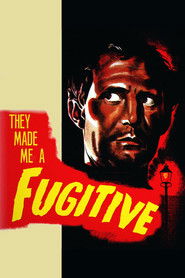 They Made Me a FugitiveDrama · Thriller · Crime | — | — | — | — | 72 | ||||
| 1947 | 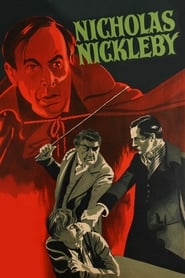 The Life and Adventures of Nicholas NicklebyDrama | — | — | — | — | 69 | ||||
| 1953 | 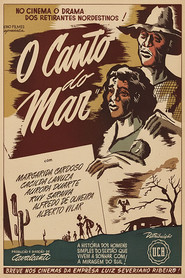 Song of the SeaDrama | — | — | — | — | 68 | ||||
| 1927 | 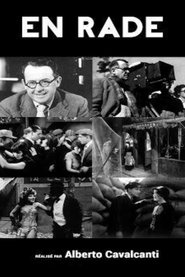 Sea FeverDrama | — | — | — | — | 67 | ||||
| 1949 | 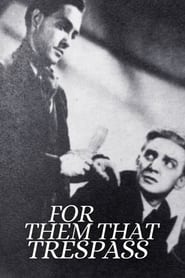 For Them That TrespassDrama · Crime | — | — | — | — | 66 | ||||
| 1929 | 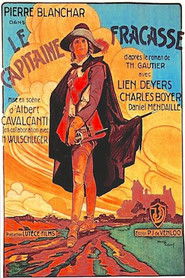 Captain FracasseComedy | — | — | — | — | 66 | ||||
| 1960 | 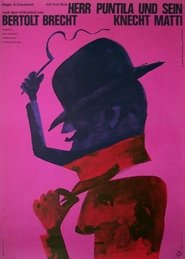 Herr Puntila and His Servant MattiComedy · Music · Drama | — | — | — | — | 65 | ||||
| 1944 |  Champagne CharlieComedy · Drama · Music | — | — | — | — | 65 | ||||
| 1955 | 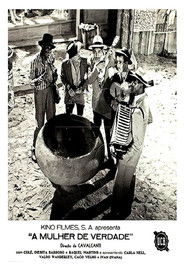 A Real WomanComedy | — | — | — | — | 61 | ||||
| 1952 |  Simon the One-EyedComedy | — | — | — | — | 59 | ||||
| 1961 | 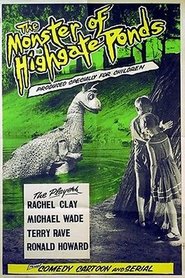 The Monster of Highgate PondsAnimation · Family · Fantasy | — | — | — | — | 58 | ||||
| 1948 | 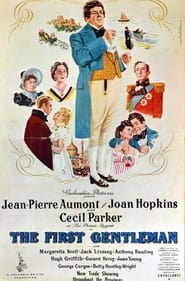 The First GentlemanHistory | — | — | — | — | 58 | ||||
| 1959 | 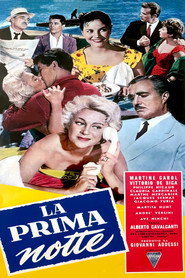 Venetian HoneymoonRomance · Comedy | — | — | — | — | 55 |
How we measure: Only released feature films (40+ minutes) are counted — video box sets, compilations, shorts, documentaries, and upcoming releases are excluded unless award-recognized. Box office is the domestic (US & Canada) theatrical gross, and PACINO always adjusts it to 2026 dollars using historical US Bureau of Labor Statistics CPI-U annual averages (1913–2026) so stars from every era compete on equal footing. Overseas earnings are not counted, which can undersell stars whose biggest hits played mainly abroad. Reception blends critics (75% Metacritic, 25% Rotten Tomatoes, with RT-only films calibrated to that same blend) 50/50 with fans (IMDb user ratings). Click any film's PACINO score for its full breakdown. Figures come from public sources and can be incomplete, especially for older, foreign and smaller releases.