
Directors · CAPRA Dossier

Clarence Brown
1922–1952 · 36 scored directed films · Clinton, Massachusetts, USA
Clarence Leon Brown (May 10, 1890 – August 17, 1987) was an American film director. After serving as a fighter pilot and flight instructor in the United States Army Air Service during World War I, Brown was given his first co-directing credit (with Tourneur) for The Great Redeemer (1920). Later that year, he directed a major portion of The Last of the Mohicans after Tourneur was injured in a fall. Brown moved to Universal in 1924, and then to Metro-Goldwyn-Mayer, where he remained until the mid-1950s. At MGM he was one of the main directors of their major female stars, he directed Joan Crawford six times and Greta Garbo seven. Brown was nominated five times for six films (see below) for an Academy Award as a director, but he never received an Oscar. However, he won Best Foreign Film for Anna Karenina, starring Garbo at the 1935 Venice International Film Festival. Brown's films gained a total of 38 Academy Award nominations and earned nine Oscars. Brown himself received five Academy Award nominations for six films and in 1949, he won the British Academy Award for the film version of William Faulkner's Intruder in the Dust. In 1957, Brown was awarded The George Eastman Award, given by George Eastman House for distinguished contribution to the art of film. Brown retired a wealthy man due to his real estate investments, but refused to watch new movies, as he feared they might cause him to restart his career. The Clarence Brown Theater, on the campus of the University of Tennessee, is named in his honor. He holds the record for most nominations for the Academy Award for Best Director without a win, with six.
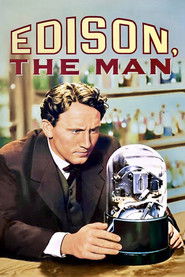
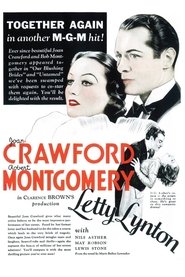
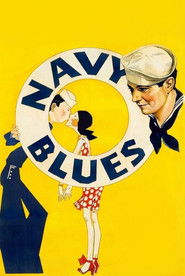
Directing Filmography (36 of 36 counted)































How we measure: Only released feature films (40+ minutes) are counted — video box sets, compilations, shorts, documentaries, and upcoming releases are excluded unless award-recognized. Box office is the domestic (US & Canada) theatrical gross, and PACINO always adjusts it to 2026 dollars using historical US Bureau of Labor Statistics CPI-U annual averages (1913–2026) so stars from every era compete on equal footing. Overseas earnings are not counted, which can undersell stars whose biggest hits played mainly abroad. Reception blends critics (75% Metacritic, 25% Rotten Tomatoes, with RT-only films calibrated to that same blend) 50/50 with fans (IMDb user ratings). Click any film's PACINO score for its full breakdown. Figures come from public sources and can be incomplete, especially for older, foreign and smaller releases.