
Directors · CAPRA Dossier

Claude Autant-Lara
1933–1977 · 36 scored directed films · Luzarches, Val-d'Oise, France
Claude Autant-Lara (August 5, 1901–February 5, 2000) was a French film director and later Member of the European Parliament (MEP). Born at Luzarches in Val-d'Oise, Autant-Lara was educated in France and at London's Mill Hill School during his mother's exile as a pacifist. Early in his career, he worked as an art director and costume designer, his best-known work in this vein was possibly for Nana (1926), a silent film directed by Jean Renoir. Autant-Lara also acted in the film. As a director, he frequently created provocative movies, saying "if a film does not have venom, it is worthless". In the 1960s, he turned his back on the New Wave movement, and from then on he had no popular successes. On 18 June 1989, he came to public notice again, controversially, when he was elected to the European Parliament as a member of the National Front and the oldest member of the assembly. In his maiden speech, in July 1989, he caused a scandal by expressing his "concerns about the American cultural threat", provoking a walkout by the majority of the deputies. In an interview granted to the monthly magazine Globe in September 1989, he accused ex-President of the European Parliament and Holocaust survivor Simone Veil of playing "ethnic politics" to try and "infiltrate and dominate", saying that "If they try to speak to me about genocide, I say they missed mother Veil!" He also described Nazi gas chambers as a "string of lies". The resulting scandal led to his resignation as European deputy. Moreover, the members of the Académie des Beaux-Arts, of which he was a vice-president for life, voted to prohibit him from taking his seat thenceforth. His memoir, The Rage in the Heart, appeared in 1984. He died at Antibes in Alpes-Maritimes in 2000. From Wikipedia, the free encyclopedia
Directing Filmography (36 of 36 counted)



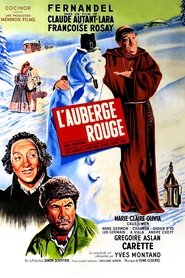








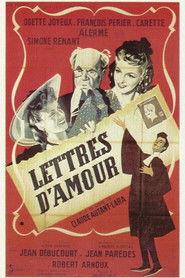
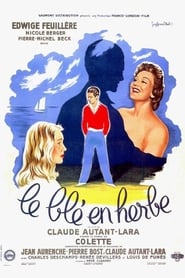



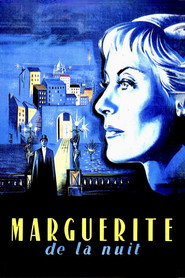



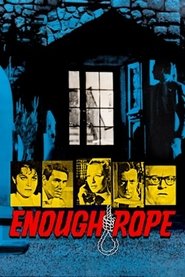


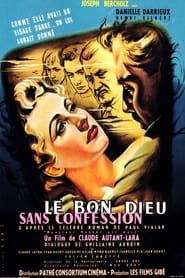



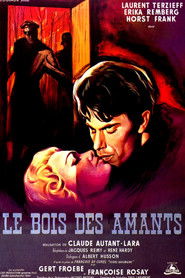



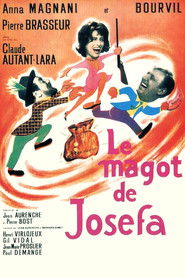
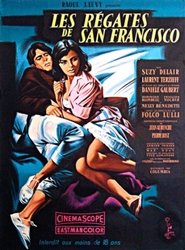

How we measure: Only released feature films (40+ minutes) are counted — video box sets, compilations, shorts, documentaries, and upcoming releases are excluded unless award-recognized. Box office is the domestic (US & Canada) theatrical gross, and PACINO always adjusts it to 2026 dollars using historical US Bureau of Labor Statistics CPI-U annual averages (1913–2026) so stars from every era compete on equal footing. Overseas earnings are not counted, which can undersell stars whose biggest hits played mainly abroad. Reception blends critics (75% Metacritic, 25% Rotten Tomatoes, with RT-only films calibrated to that same blend) 50/50 with fans (IMDb user ratings). Click any film's PACINO score for its full breakdown. Figures come from public sources and can be incomplete, especially for older, foreign and smaller releases.