
Directors · CAPRA Dossier

David Cronenberg
1969–2025 · 24 scored directed films · Toronto, Ontario, Canada
David Paul Cronenberg (born 15 March 1943) is a Canadian film director, screenwriter, producer and actor. He is a principal originator of the body horror genre, with his films exploring visceral bodily transformation, infectious diseases, and the intertwining of the psychological, physical, and technological. Cronenberg is best known for exploring these themes through sci-fi horror films such as Shivers (1975), Scanners (1981), Videodrome (1983), and The Fly (1986). However, he has also directed dramas, psychological thrillers, and gangster films. Cronenberg's films have polarized critics and audiences; he has earned critical acclaim and sparked controversy for his depictions of gore and violence. The Village Voice called him "the most audacious and challenging narrative director in the English-speaking world". His films have won numerous awards, including the Special Jury Prize for Crash at the 1996 Cannes Film Festival, a unique award that is distinct from the Jury Prize as it is not given annually but only at the request of the official jury, who in this case gave the award "for originality, for daring, and for audacity". From the 2000s to the 2020s, Cronenberg collaborated on several films with Viggo Mortensen, including A History of Violence (2005), Eastern Promises (2007), A Dangerous Method (2011) and Crimes of the Future (2022). Seven of his films were selected to compete for the Palme d'Or, the most recent being The Shrouds (2024), which was screened at the 2024 Cannes Film Festival. Description above from the Wikipedia article David Cronenberg, licensed under CC-BY-SA, is a full list of contributors on Wikipedia.
Directing Filmography (24 of 24 counted)









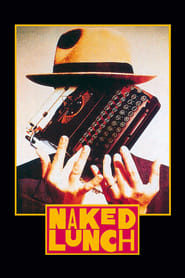
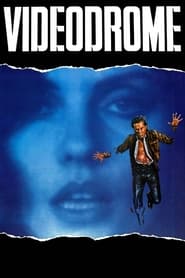













How we measure: Only released feature films (40+ minutes) are counted — video box sets, compilations, shorts, documentaries, and upcoming releases are excluded unless award-recognized. Box office is the domestic (US & Canada) theatrical gross, and PACINO always adjusts it to 2026 dollars using historical US Bureau of Labor Statistics CPI-U annual averages (1913–2026) so stars from every era compete on equal footing. Overseas earnings are not counted, which can undersell stars whose biggest hits played mainly abroad. Reception blends critics (75% Metacritic, 25% Rotten Tomatoes, with RT-only films calibrated to that same blend) 50/50 with fans (IMDb user ratings). Click any film's PACINO score for its full breakdown. Figures come from public sources and can be incomplete, especially for older, foreign and smaller releases.