
Directors · CAPRA Dossier

Ettore Scola
1964–2013 · 30 scored directed films · Trevico, Campania, Italy
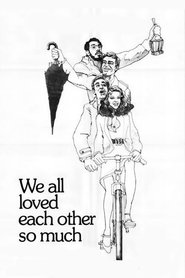
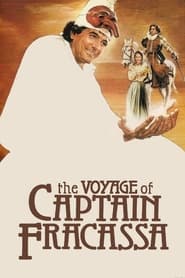
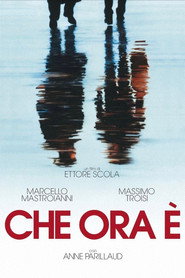
Ettore Scola (Italian pronunciation: [ˈɛttore ˈskɔːla]; 10 May 1931 – 19 January 2016) was an Italian screenwriter and film director. He received a Golden Globe for Best Foreign Film in 1978 for his film A Special Day and over the course of his film career was nominated for five Academy Awards for Best Foreign Language Film. Scola was born in Trevico, Avellino, Campania. From age 15, he became a ghostwriter. He entered the film industry as a screenwriter in 1953, and collaborated with director Dino Risi and fellow writer Ruggero Maccari on the screenplay for Risi's feature, Il Sorpasso (1962). He directed his first film, Let's Talk About Women, in 1964. In 1974 Scola enjoyed international success with We All Loved Each Other So Much (C'eravamo tanto amati), a wide fresco of post-World War II Italian life and politics, dedicated to fellow director Vittorio De Sica. The film won the Golden Prize at the 9th Moscow International Film Festival. In 1976 he won the Prix de la mise en scène at the 1976 Cannes Film Festival for Brutti, sporchi e cattivi. Scola made further successful films, including A Special Day (1977), That Night In Varennes (1982), What Time Is It? (1989) and Captain Fracassa's Journey (1990). He directed close to 40 films in some 40 years. His film Passione d'amore, adapted from a 19th-century novel, was adapted by Stephen Sondheim and James Lapine into the award-winning musical Passion. He was a member of the jury at the 1988 Cannes Film Festival. Scola died in Rome on 19 January 2016 at the age of 84. Description above from the Wikipedia article Ettore Scola, licensed under CC-BY-SA, full list of contributors on Wikipedia.
Directing Filmography (30 of 30 counted)






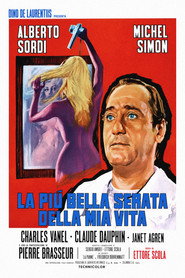
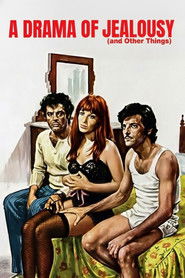


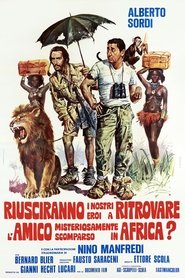

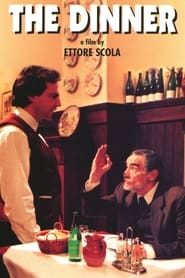


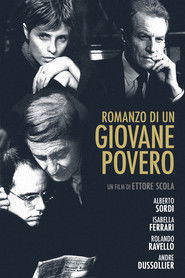
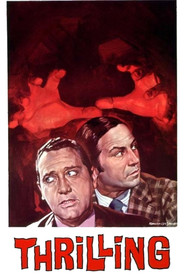



How we measure: Only released feature films (40+ minutes) are counted — video box sets, compilations, shorts, documentaries, and upcoming releases are excluded unless award-recognized. Box office is the domestic (US & Canada) theatrical gross, and PACINO always adjusts it to 2026 dollars using historical US Bureau of Labor Statistics CPI-U annual averages (1913–2026) so stars from every era compete on equal footing. Overseas earnings are not counted, which can undersell stars whose biggest hits played mainly abroad. Reception blends critics (75% Metacritic, 25% Rotten Tomatoes, with RT-only films calibrated to that same blend) 50/50 with fans (IMDb user ratings). Click any film's PACINO score for its full breakdown. Figures come from public sources and can be incomplete, especially for older, foreign and smaller releases.