
Directors · CAPRA Dossier
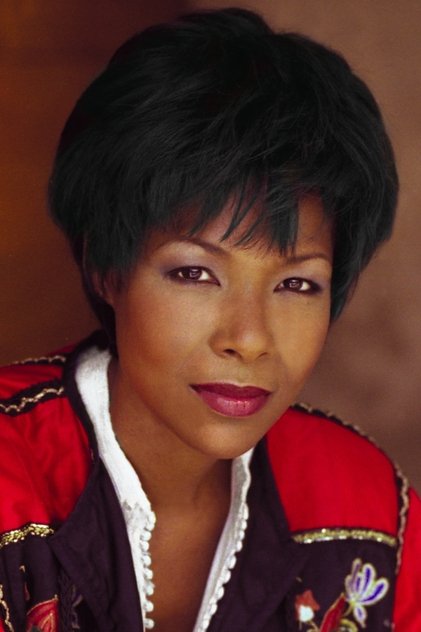
Euzhan Palcy
1983–1992 · 3 scored directed films · Martinique, French West Indies
Born January 13, 1958, in Martinique, French West Indies, Euzhan Palcy is a leader for black people, especially black women, in cinema. She is a screenwriter, producer and director. After studying the likes of Billy Wilder and Orson Welles and receiving a few degrees, including one from Louis Lumière College, she directed her first feature, Sugar Cane Alley (1983), in Paris for less than a million dollars. The film is about an impoverished black family making sacrifices for a young boy on a plantation in Martinique during the 1930s. It won numerous awards internationally, among them the César Award and the Venice Film Festival Silver Lion. Palcy's second feature, A Dry White Season (1989), explored the politics of South African apartheid, beckoning actor Marlon Brando to end his nine-year retirement to portray lawyer Ian McKenzie in it. With A Dry White Season, Palcy became the first black woman director produced by a major Hollywood studio. The film was banned in South Africa for a period of time. Brando's direction by Palcy earned him his final Academy Award nomination, for Best Supporting Actor. This made Palcy the first director who is black to direct an actor to such an honor. Palcy has continued to produce and make films all the way into the 2010s.
Directing Filmography (3 of 3 counted)
| Count | Film | Awards | ||||||||
|---|---|---|---|---|---|---|---|---|---|---|
| 1983 |  Sugar Cane AlleyDrama · Family | — | — | — | — | 73 | ||||
| 1992 |  SiméonFantasy · Music | — | — | — | — | 71 | ||||
| 1989 |  A Dry White SeasonDrama · Thriller | — | $10M | 81% | 68 | 70 |
How we measure: Only released feature films (40+ minutes) are counted — video box sets, compilations, shorts, documentaries, and upcoming releases are excluded unless award-recognized. Box office is the domestic (US & Canada) theatrical gross, and PACINO always adjusts it to 2026 dollars using historical US Bureau of Labor Statistics CPI-U annual averages (1913–2026) so stars from every era compete on equal footing. Overseas earnings are not counted, which can undersell stars whose biggest hits played mainly abroad. Reception blends critics (75% Metacritic, 25% Rotten Tomatoes, with RT-only films calibrated to that same blend) 50/50 with fans (IMDb user ratings). Click any film's PACINO score for its full breakdown. Figures come from public sources and can be incomplete, especially for older, foreign and smaller releases.