
Directors · CAPRA Dossier

Frank Miller
2005–2014 · 3 scored directed films · Olney, Maryland, USA
Frank Miller (born January 27, 1957) is an American comic book artist, comic book writer, and screenwriter known for his comic book stories and graphic novels such as his run on Daredevil, for which he created the character Elektra, and subsequent Daredevil: Born Again, The Dark Knight Returns, Batman: Year One, Sin City, and 300. Miller is noted for combining film noir and manga influences in his comic art creations. He said, "I realised when I started Sin City that I found American and English comics to be too wordy, too constipated, and Japanese comics to be too empty. So I was attempting to do a hybrid." Miller has received every major comic book industry award, and in 2015 he was inducted into the Will Eisner Award Hall of Fame. Miller's feature film work includes writing the scripts for the 1990s science fiction films RoboCop 2 and RoboCop 3, sharing directing duties with Robert Rodriguez on Sin City and Sin City: A Dame to Kill For, producing the film 300, and directing the film adaptation of The Spirit. Sin City earned a Palme d'Or nomination. Description above from the Wikipedia article Frank Miller, licensed under CC-BY-SA, full list of contributors on Wikipedia.
Directing Filmography (3 of 3 counted)
| Count | Film | Awards | ||||||||
|---|---|---|---|---|---|---|---|---|---|---|
| 2005 | 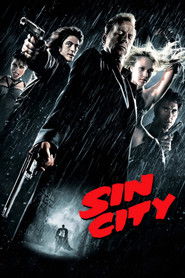 Sin CityCrime · Thriller | — | $126M | 76% | 74 | 80 | ||||
| 2014 | 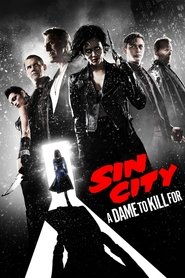 Sin City: A Dame to Kill ForAction · Crime · Thriller | — | $19M | 42% | 46 | 65 | ||||
| 2008 |  The SpiritAction · Fantasy · Crime | — | $31M | 14% | 30 | 48 |
How we measure: Only released feature films (40+ minutes) are counted — video box sets, compilations, shorts, documentaries, and upcoming releases are excluded unless award-recognized. Box office is the domestic (US & Canada) theatrical gross, and PACINO always adjusts it to 2026 dollars using historical US Bureau of Labor Statistics CPI-U annual averages (1913–2026) so stars from every era compete on equal footing. Overseas earnings are not counted, which can undersell stars whose biggest hits played mainly abroad. Reception blends critics (75% Metacritic, 25% Rotten Tomatoes, with RT-only films calibrated to that same blend) 50/50 with fans (IMDb user ratings). Click any film's PACINO score for its full breakdown. Figures come from public sources and can be incomplete, especially for older, foreign and smaller releases.