
Directors · CAPRA Dossier
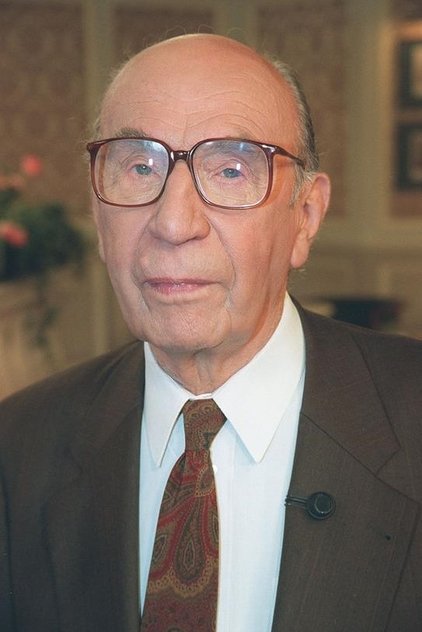
Franz Antel
1952–1996 · 16 scored directed films · Vienna, Austria
From Wikipedia, the free encyclopedia. Franz Antel (June 28, 1913 – August 11, 2007) was a veteran Austrian filmmaker. Born in Vienna, Antel worked mainly as a film producer in the interwar years. After World War II, he began writing and directing films on a large scale. In the late 1940s, 1950s and 1960s these were mainly comedies (romantic, slapstick, and/or musical) and K.u.k. films all of which, for Austrian and German TV stations alike, have been a staple of weekend afternoon programming ever since. In between there is quite a sober film about the Oberst (Colonel) Redl affair that shook the Austro-Hungarian Monarchy on the eve of World War I. From the late 1960s, encouraged by the new opportunities in the film industry brought about by the sexual revolution, Antel gradually switched his main interest to soft porn and ribaldry. It was in particular his series of Wirtin ("hostess") films, directed under the pseudonym François Legrand, with which he tried to win international recognition. Titles included The Sweet Sins of Sexy Susan (1967), Sexy Susan Sins Again (1969), Wild, Willing & Sexy (1969) and Don't Tell Daddy (aka Naughty Nymphs in the U.S.A.) (1972). Among the actors Antel worked with were Hans Moser, Paul Hörbiger, Oskar Werner, Curd Jürgens, Tony Curtis, Herbert Fux, Heinrich Schweiger, Arthur Kennedy, Carroll Baker, Edwige Fenech, George Hilton, Marisa Berenson, Britt Ekland, Andréa Ferréol. 1981 was a turning point in Antel's career when he adapted for the big screen a stage play by Ulrich Becher and Peter Preses. Set from the days of the Anschluss of 1938 until after the end of the war, Der Bockerer is about a Viennese butcher named Karl Bockerer (Karl Merkatz) whose common sense rather than intellect tells him to oppose the Nazis and who dares to show resistance just because he is never fully aware of the possible fateful consequences of his actions. While Bockerer and his wife survive the war unscathed, their son joins the SA but, after some internal intrigue, is sent to the front and killed. Der Bockerer IV The film's strong anti-fascist message, the moving dialogue, and performances by the crème de la crème of Austrian actors and actresses (Ida Krottendorf, Alfred Böhm, Heinz Marecek, Hans Holt, Dolores Schmidinger and many more) made Der Bockerer an unusually successful film and gave new impetus to Antel's career. He made three sequels, which follow the lives of the Bockerers well into the 1960s, each depicting a crucial historical event in Austria or one of its neighbouring countries: Der Bockerer II (1996) is about the ten-year occupation (1945-1955) of Austria by the allied powers; Der Bockerer III — Die Brücke von Andau (2000) is set at the time of the Hungarian Revolution of 1956; and, finally, Der Bockerer IV — Der Prager Frühling (2003) deals with Dubček's Prague Spring of 1968. Antel would recount an anecdote about himself describing how, in order to live up to his reputation as a womanizer, he used to carry a pair of high heels in his luggage which he then would occasionally place in the corridor in front of his hotel room – especially when he was travelling alone. Description above from the Wikipedia article Franz Antel, licensed under CC-BY-SA, full list of contributors on Wikipedia.
Directing Filmography (16 of 16 counted)
| Count | Film | Awards | ||||||||
|---|---|---|---|---|---|---|---|---|---|---|
| 1981 | 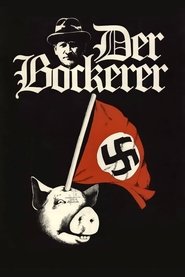 The ButcherDrama · History | — | — | — | — | 81 | ||||
| 1996 |  Der Bockerer II - Österreich ist freiDrama · History | — | — | — | — | 66 | ||||
| 1955 | 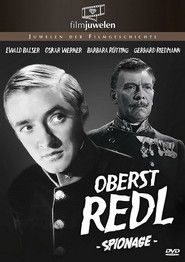 EspionageHistory · Thriller | — | — | — | — | 66 | ||||
| 1952 |  Hello DienstmannComedy | — | — | — | — | 65 | ||||
| 1962 |  Ohne Krimi geht die Mimi nie ins BettRomance · Music · Comedy | — | — | — | — | 52 | ||||
| 1976 |  Blackmail ChaseComedy · Crime | — | — | — | — | 51 | ||||
| 1969 |  The Viking Who Became a BigamistComedy | — | — | — | — | 51 | ||||
| 1968 | 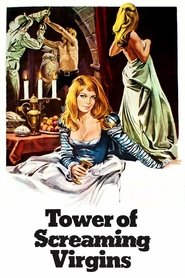 Tower of Screaming VirginsAdventure · Drama | — | — | — | — | 50 | ||||
| 1969 | 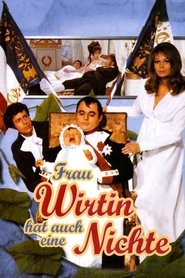 House of PleasureComedy | — | — | — | — | 49 | ||||
| 1977 |  Casanova & CompanyComedy | — | — | — | — | 46 | ||||
| 1972 | 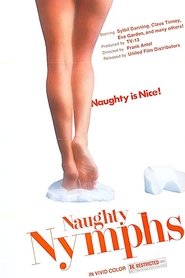 Naughty NymphsComedy | — | — | — | — | 45 | ||||
| 1970 |  Sexy Susan Knows How...!Comedy | — | — | — | — | 44 | ||||
| 1968 | 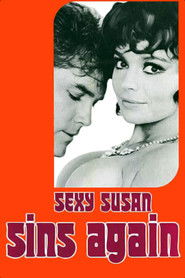 Sexy Susan Sins AgainComedy | — | — | — | — | 44 | ||||
| 1978 | Love-Hotel in TirolComedy | — | — | — | — | 42 | ||||
| 1973 |  The Countess Died of LaughterComedy | — | — | — | — | 41 | ||||
| 1970 |  Musik, Musik - da wackelt die PenneComedy · Music | — | — | — | — | 31 |
How we measure: Only released feature films (40+ minutes) are counted — video box sets, compilations, shorts, documentaries, and upcoming releases are excluded unless award-recognized. Box office is the domestic (US & Canada) theatrical gross, and PACINO always adjusts it to 2026 dollars using historical US Bureau of Labor Statistics CPI-U annual averages (1913–2026) so stars from every era compete on equal footing. Overseas earnings are not counted, which can undersell stars whose biggest hits played mainly abroad. Reception blends critics (75% Metacritic, 25% Rotten Tomatoes, with RT-only films calibrated to that same blend) 50/50 with fans (IMDb user ratings). Click any film's PACINO score for its full breakdown. Figures come from public sources and can be incomplete, especially for older, foreign and smaller releases.