
Directors · CAPRA Dossier
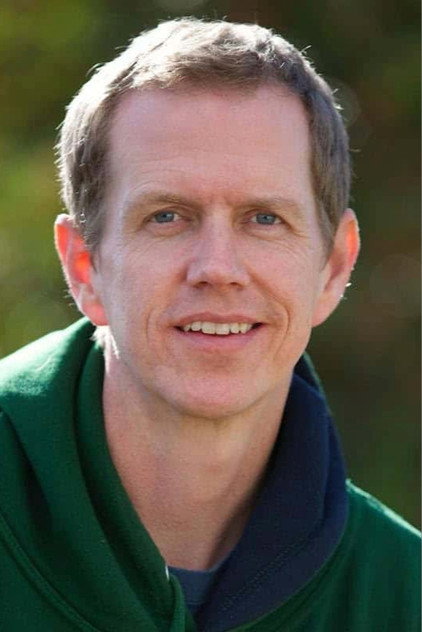
Geoffrey Haley
2008–2008 · 1 scored directed films
Geoffrey Haley is a camera operator and filmmaker. Born with a deep passion for film and music, Haley was a cellist from age five and grew up experimenting with an 8mm camera. However, upon finishing high school, he chose to pursue film over music, fearing that relying on his musical passion for income might diminish his love for it. Haley studied psychophysiology on the West Coast, strategically selecting a university that allowed him to spend summers in Los Angeles, gaining hands-on experience in the film industry. His musical background helped him secure early work as a boom operator. Later, he transitioned to video playback before ultimately finding his niche in the camera department. His first significant break came when he was tasked with shooting the iconic floating bag scene in American Beauty (1999). Originally intended as a CGI placeholder, Haley’s footage was so compelling that it became a defining visual of the film. This exposure led to him being hired for HBO’s Six Feet Under (2001–2005), where he remained for the entire five-season run, refining his skills in cinematography, scene breakdown, and collaboration with directors and actors. While working on Six Feet Under, Haley ventured into directing and writing, creating The Parlor (2001), which earned an Honorable Mention at Sundance 2002. He later wrote a feature screenplay purchased by a major studio but remained unproduced due to budget constraints. Determined to direct, he wrote The Last Word (2008), a romantic comedy that premiered at Sundance and saw a successful theatrical release. Despite his directing aspirations, Haley found a fulfilling career in camera operation. His philosophy emphasizes collaboration with directors to serve the story, emotion, and performance rather than getting lost in the technical aspects of the job. His approach has led to successful collaborations with cinematographers like Lawrence Sher ASC and Stephen F. Windon ASC ACS, as well as directors including Todd Phillips (Joker), David O. Russell (The Fighter, American Hustle), and Danny Boyle (Steve Jobs). Haley’s expertise in Steadicam operation has been pivotal in high-profile productions, notably his work on Steve Jobs (2015), where he navigated the challenges of capturing long takes of dialogue-heavy scenes. He has also played a key role in large-scale action films, working closely with the Russo brothers on Avengers: Endgame (2019), Cherry (2021), and The Gray Man (2022), where he also served as an executive producer. A respected figure in the camera operating community, Haley serves on the board of governors for the Society of Camera Operators (SOC). His dedication to storytelling and immersive cinematography has earned him multiple accolades, including the SOC Camera Operator of the Year Award for Joker and Cherry.
Directing Filmography (1 of 1 counted)
| Count | Film | Awards | ||||||||
|---|---|---|---|---|---|---|---|---|---|---|
| 2008 | 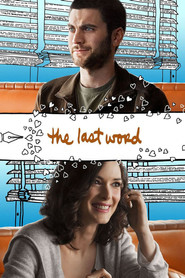 The Last WordDrama · Romance | — | — | 40% | — | 62 |
How we measure: Only released feature films (40+ minutes) are counted — video box sets, compilations, shorts, documentaries, and upcoming releases are excluded unless award-recognized. Box office is the domestic (US & Canada) theatrical gross, and PACINO always adjusts it to 2026 dollars using historical US Bureau of Labor Statistics CPI-U annual averages (1913–2026) so stars from every era compete on equal footing. Overseas earnings are not counted, which can undersell stars whose biggest hits played mainly abroad. Reception blends critics (75% Metacritic, 25% Rotten Tomatoes, with RT-only films calibrated to that same blend) 50/50 with fans (IMDb user ratings). Click any film's PACINO score for its full breakdown. Figures come from public sources and can be incomplete, especially for older, foreign and smaller releases.