
Directors · CAPRA Dossier

Hal Barwood
1985–1985 · 1 scored directed films · Hanover, New Hampshire, USA
Hal Barwood is an American game designer and game producer best known for his work on games based on the Indiana Jones license. Born in Hanover, New Hampshire, he studied art at Brown University and later attended the University of Southern California's School of Cinema-Television, where he met and became friends with George Lucas. Along with other film students such as Walter Murch, John Milius, and Howard Kazanjian, the group, known as The Dirty Dozen, went on to degrees of success in the film industry. His film credits include Steven Spielberg's first theatrical feature film, The Sugarland Express, writing on Close Encounters of the Third Kind (for which he was not publicly credited), and producing and co-writing Dragonslayer. In the 1970s, he also co-wrote an unproduced screenplay with his frequent co-worker Matthew Robbins called Star Dancing, for which Ralph McQuarrie was contracted to do a series of conceptual paintings. He later worked as a script writer, producer and director for LucasArts. He is probably best known as the project leader and co-designer of the 1992 adventure game Indiana Jones and the Fate of Atlantis. In August 1999, PC Gamer magazine designated him as one of the top 25 game designers in the United States. In 2008-2009, he served as the lead designer for Mata Hari an adventure game developed by German studio Cranberry Production.
Directing Filmography (1 of 1 counted)
| Count | Film | Awards | ||||||||
|---|---|---|---|---|---|---|---|---|---|---|
| 1985 | 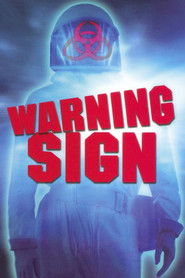 Warning SignDrama · Sci-Fi · Thriller | — | $6M | 20% | — | 61 |
How we measure: Only released feature films (40+ minutes) are counted — video box sets, compilations, shorts, documentaries, and upcoming releases are excluded unless award-recognized. Box office is the domestic (US & Canada) theatrical gross, and PACINO always adjusts it to 2026 dollars using historical US Bureau of Labor Statistics CPI-U annual averages (1913–2026) so stars from every era compete on equal footing. Overseas earnings are not counted, which can undersell stars whose biggest hits played mainly abroad. Reception blends critics (75% Metacritic, 25% Rotten Tomatoes, with RT-only films calibrated to that same blend) 50/50 with fans (IMDb user ratings). Click any film's PACINO score for its full breakdown. Figures come from public sources and can be incomplete, especially for older, foreign and smaller releases.