
Directors · CAPRA Dossier

Harold Becker
1972–2001 · 11 scored directed films · New York City, New York, USA
Harold Becker (born September 25, 1928) is American film and television director, producer, and photographer, associated with the New Hollywood movement and best known for his work in the thriller genre. He studied art and photography at the prestigious Pratt Institute and began his career as a designer and stills photographer. He segued to directing TV commercials and short films, including the award-winning Ivanhoe Donaldson. His directorial debut conducting a feature film was with the drama The Ragman's Daughter (1972). His second feature was the acclaimed The Onion Field (1979), a dark cop thriller starring John Savage and James Woods, a remarkable role that brought him recognition from the public and several award nominations as Best Supporting Actor in the role of a dangerous and menacing cop killer. In the 1980's, Becker is a solid director who can work many different genres: the comedy The Black Marble (1980); the military drama Taps (1981) where he directed youngsters Timothy Hutton, Sean Penn and Tom Cruise alongside veteran George C. Scott; the sports-themed film Vision Quest (1985); two musical videos for Madonna; the heavy drug drama The Boost (1988) again collaborating with Woods; and the neo-noir Sea of Love (1989) where he resurrected the career of Al Pacino. The box-office suspense Malice (1993), the political thriller City Hall (1996) and the action Mercury Rising (1998) compose Becker's career in the 1990's directing big Hollywood stars and establishing him as one of the most versatile directors of the period. After the thriller Domestic Disturbance (2001) Becker never returned to film directing, possibly retired after not having many invitations to directed another feature.
Directing Filmography (11 of 11 counted)
| Count | Film | Awards | ||||||||
|---|---|---|---|---|---|---|---|---|---|---|
| 1989 | 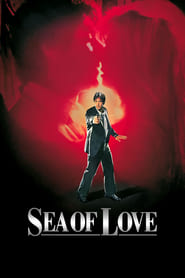 Sea of LoveCrime · Drama · Romance | — | $157M | 76% | 66 | 68 | ||||
| 1981 |  TapsDrama | — | $131M | 69% | 49 | 68 | ||||
| 1979 | 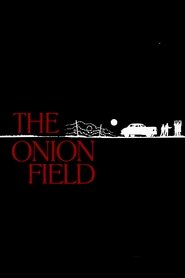 The Onion FieldCrime · Drama | — | $45M | 87% | 57 | 68 | ||||
| 1993 |  MaliceThriller | — | $107M | 54% | 52 | 65 | ||||
| 1996 | 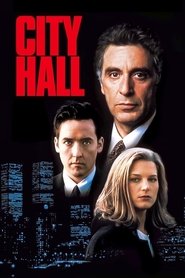 City HallDrama · Thriller | — | $43M | 60% | 62 | 62 | ||||
| 1985 | 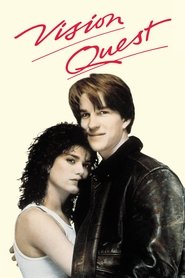 Vision QuestDrama · Romance | — | $40M | 63% | 55 | 67 | ||||
| 1972 |  The Ragman's DaughterCrime · Drama · Romance | — | — | — | — | 64 | ||||
| 1998 | 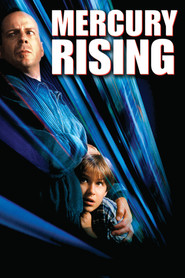 Mercury RisingAction · Crime · Drama | — | $67M | 21% | 37 | 61 | ||||
| 1988 | 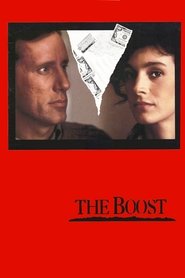 The BoostDrama · Romance | — | $2M | 40% | — | 60 | ||||
| 1980 | 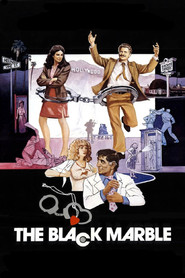 The Black MarbleComedy · Crime · Romance | — | $10M | 33% | — | 62 | ||||
| 2001 | 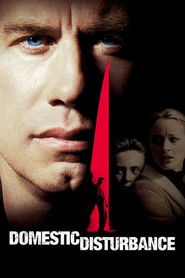 Domestic DisturbanceThriller · Crime · Mystery | — | $85M | 23% | 29 | 56 |
How we measure: Only released feature films (40+ minutes) are counted — video box sets, compilations, shorts, documentaries, and upcoming releases are excluded unless award-recognized. Box office is the domestic (US & Canada) theatrical gross, and PACINO always adjusts it to 2026 dollars using historical US Bureau of Labor Statistics CPI-U annual averages (1913–2026) so stars from every era compete on equal footing. Overseas earnings are not counted, which can undersell stars whose biggest hits played mainly abroad. Reception blends critics (75% Metacritic, 25% Rotten Tomatoes, with RT-only films calibrated to that same blend) 50/50 with fans (IMDb user ratings). Click any film's PACINO score for its full breakdown. Figures come from public sources and can be incomplete, especially for older, foreign and smaller releases.