
Directors · CAPRA Dossier
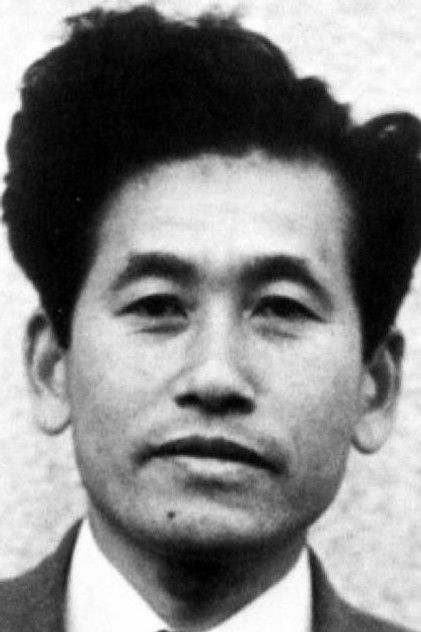
Hiromichi Horikawa
1955–1977 · 12 scored directed films · Kyoto Prefecture, Japan
Hiromichi Horikawa (28 November 1916 – 5 September 2012) was a Japanese director and assistant director. Akira Kurosawa’s assistant on numerous films including Ikiru (1952) and Seven Samurai (1954), Horikawa never achieved his mentor’s fame. Kurosawa himself scripted his directorial debut, Tomorrow I’ll Be a Fire-Tree (1955), about an adolescent and the first three women in his life. A concern with youthful experience was also visible in Horikawa’s second and third films, Summer in Eclipse (1956), a taiyōzoku (“sun tribe”) film based on a Shintarō Ishihara novel, and Last Days of the Samurai (1957), a reworking of the Chūshingura story that focused particularly on the youngest of the participating ronin and his fiancée. Another retelling of a classical Japanese story was the Chikamatsu adaptation The Oil-Hell Murder (1957), after which Horikawa returned to contemporary subject matter with The Naked General (1958), a portrait of mentally handicapped collage artist Kiyoshi Yamashita. During the sixties, Horikawa made several thrillers, the socially conscious aspects of which suggest the continuing influence of Kurosawa while also evoking Masaki Kobayashi, whose regular actor Tatsuya Nakadai appeared in The Blue Beast (1960), Pressure of Guilt (1963), and The Last Judgement (1965). Later, Horikawa’s drama Good-bye Moscow (1968) used the relationship between a Japanese jazz pianist, an American soldier on leave from Vietnam, and a group of young Russian dissidents as a metaphor for Japan’s situation in the Cold War era. The Militarists (1970) was a critical biopic of General Tōjō, which dramatized the military coup of February 26, 1936, while Sun Above, Death Below (1968) was a conventional if snappily edited thriller about a doomed hitman.
Directing Filmography (12 of 12 counted)
| Count | Film | Awards | ||||||||
|---|---|---|---|---|---|---|---|---|---|---|
| 1955 | 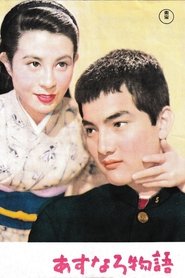 Tomorrow I'll Be a Fire-TreeDrama | — | — | — | — | 80 | ||||
| 1960 |  The Lost AlibiThriller | — | — | — | — | 75 | ||||
| 1963 |  Pressure of GuiltMystery · Drama · Crime | — | — | — | — | 73 | ||||
| 1968 | 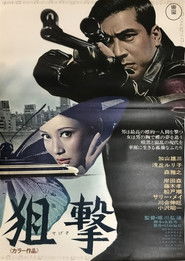 Sun Above, Death BelowCrime · Drama | — | — | — | — | 71 | ||||
| 1970 |  The MilitaristsDrama · War | — | — | — | — | 69 | ||||
| 1977 | 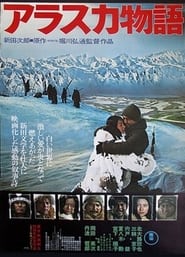 The Alaska StoryDrama · Adventure | — | — | — | — | 68 | ||||
| 1964 | 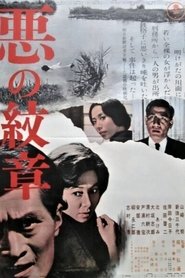 Brand of EvilCrime · Drama · Thriller | — | — | — | — | 67 | ||||
| 1962 | 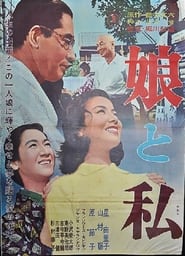 Musume to watashiDrama | — | — | — | — | 66 | ||||
| 1975 | 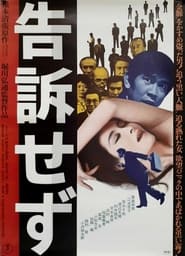 Without ComplaintDrama · Thriller · Comedy | — | — | — | — | 64 | ||||
| 1960 | 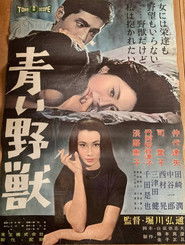 The Blue BeastDrama | — | — | — | — | 63 | ||||
| 1964 | 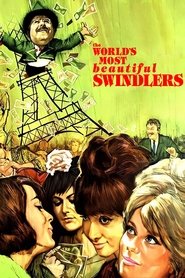 The World's Most Beautiful SwindlersCrime · Comedy | — | — | — | — | 57 | ||||
| 1957 | 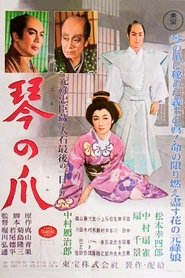 Last Days of the SamuraiDrama · History | — | — | — | — | 46 |
How we measure: Only released feature films (40+ minutes) are counted — video box sets, compilations, shorts, documentaries, and upcoming releases are excluded unless award-recognized. Box office is the domestic (US & Canada) theatrical gross, and PACINO always adjusts it to 2026 dollars using historical US Bureau of Labor Statistics CPI-U annual averages (1913–2026) so stars from every era compete on equal footing. Overseas earnings are not counted, which can undersell stars whose biggest hits played mainly abroad. Reception blends critics (75% Metacritic, 25% Rotten Tomatoes, with RT-only films calibrated to that same blend) 50/50 with fans (IMDb user ratings). Click any film's PACINO score for its full breakdown. Figures come from public sources and can be incomplete, especially for older, foreign and smaller releases.