
Directors · CAPRA Dossier

Hiroshi Inagaki
1928–1970 · 33 scored directed films · Tokyo, Japan
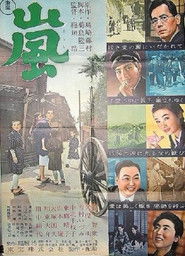
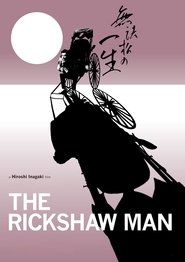
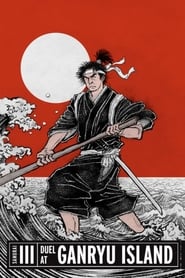
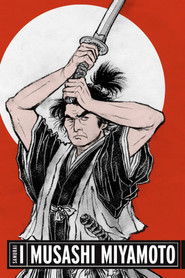
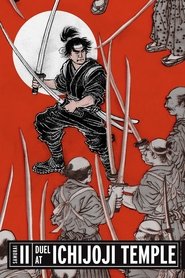
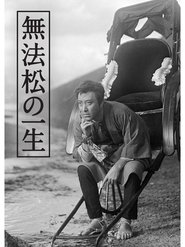
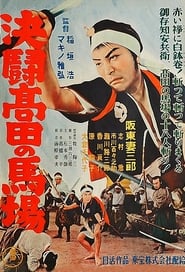
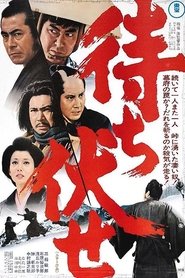
Hiroshi Inagaki (稲垣 浩 Inagaki Hiroshi, 30 December 1905 – 21 May 1980) was a Japanese filmmaker most known for the Academy Award-winning Samurai I: Musashi Miyamoto, which he directed in 1954. Born in Tokyo as the son of a shinpa actor, Inagaki appeared on stage in his childhood before joining the Nikkatsu studio as an actor in 1922. Wishing to become a director, he joined Chiezō Kataoka's Chiezō Productions and made his directorial debut in 1928 with Tenka taiheiki. Returning to Nikkatsu, he continued making jidaigeki and participated in the Naritaki Group of young filmmakers such as Sadao Yamanaka and Fuji Yahiro who collaboratively wrote screenplays under the made up name "Kinpachi Kajiwara". Like others in the group, Inagaki was known for his cheerful and intelligent samurai films. Inagaki later moved to Daiei and then Toho, where he made big budget color spectacles as well as delicate works depicting the feelings of children. He also produced many films and wrote the scripts for dozens of others.
Directing Filmography (33 of 33 counted)







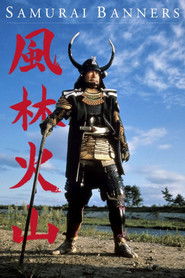


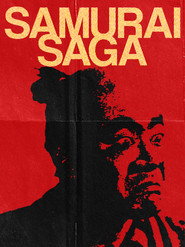


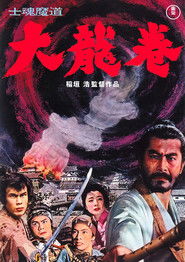
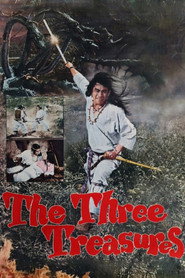



How we measure: Only released feature films (40+ minutes) are counted — video box sets, compilations, shorts, documentaries, and upcoming releases are excluded unless award-recognized. Box office is the domestic (US & Canada) theatrical gross, and PACINO always adjusts it to 2026 dollars using historical US Bureau of Labor Statistics CPI-U annual averages (1913–2026) so stars from every era compete on equal footing. Overseas earnings are not counted, which can undersell stars whose biggest hits played mainly abroad. Reception blends critics (75% Metacritic, 25% Rotten Tomatoes, with RT-only films calibrated to that same blend) 50/50 with fans (IMDb user ratings). Click any film's PACINO score for its full breakdown. Figures come from public sources and can be incomplete, especially for older, foreign and smaller releases.