
Directors · CAPRA Dossier

Irving Reis
1940–1952 · 16 scored directed films · New York City, New York, USA
Irving Reis (May 7, 1906 – July 3, 1953) was a radio program producer and director, and a film director. Born into a Jewish family, Reis began his career as a motion picture photographer. The most notable of his screen efforts was being one of the photographers for The Hollywood Revue of 1929. A 1931 notice in Variety declared that he was transitioning into a playwright. By 1933, Variety took notice of his radio play St. Louis Blues. His radio play Meridian 7-1212 first broadcast on January 24, 1935, received an 'above par' comment from Variety. Observing that he wrote and produced the play, the unnamed reviewer noted the numerous radio effects, and that compared to his two previous radio plays, this was the best. Reis created the experimental anthology radio program Columbia Workshop, and its initial broadcast took place on July 18, 1936. He departed for Hollywood in 1938 where he became a scriptwriter for Paramount Pictures. In November 1939, Reis took ten weeks off from Paramount to study film direction. In February 1940, Reis left Paramount to direct for RKO Pictures. Among his motion picture credits are The Big Street (1942), The Bachelor and the Bobby-Soxer (1947), All My Sons, Enchantment (1948), Roseanna McCoy (1949), and The Four Poster (1952).
Directing Filmography (16 of 16 counted)
| Count | Film | Awards | ||||||||
|---|---|---|---|---|---|---|---|---|---|---|
| 1948 |  All My SonsDrama | — | — | — | — | 73 | ||||
| 1948 | 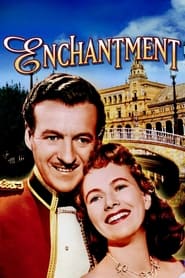 EnchantmentDrama · Romance | — | — | — | — | 72 | ||||
| 1947 | 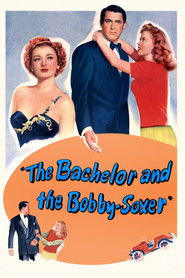 The Bachelor and the Bobby-SoxerComedy · Romance | — | — | 78% | 59 | 72 | ||||
| 1946 |  Crack-UpThriller · Mystery | — | — | — | — | 65 | ||||
| 1941 | 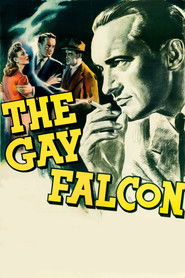 The Gay FalconMystery | — | — | — | — | 65 | ||||
| 1942 | 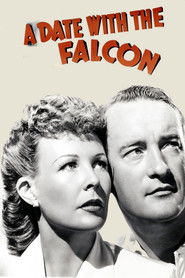 A Date with the FalconCrime · Mystery | — | — | — | — | 64 | ||||
| 1942 |  The Falcon Takes OverCrime · Mystery | — | — | — | — | 64 | ||||
| 1942 | 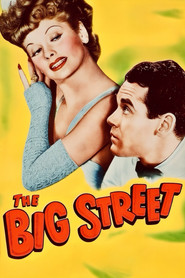 The Big StreetRomance · Drama | — | — | — | — | 64 | ||||
| 1952 | 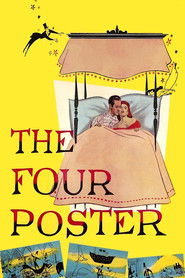 The Four PosterComedy · Drama · Romance | — | — | — | — | 63 | ||||
| 1940 | 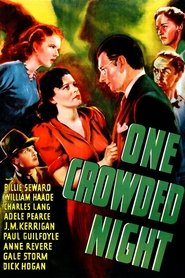 One Crowded NightDrama | — | — | — | — | 60 | ||||
| 1949 | 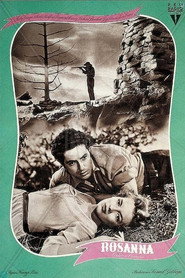 Roseanna McCoyDrama | — | — | — | — | 58 | ||||
| 1941 |  Footlight FeverComedy | — | — | — | — | 58 | ||||
| 1940 |  I'm Still AliveAction · Adventure · Drama | — | — | — | — | 58 | ||||
| 1950 | 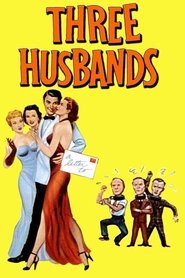 Three HusbandsComedy · Romance | — | — | — | — | 55 | ||||
| 1949 | 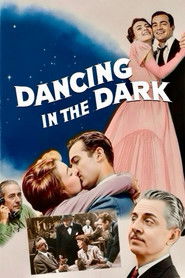 Dancing in the DarkComedy · Romance | — | — | — | — | 54 | ||||
| 1941 | 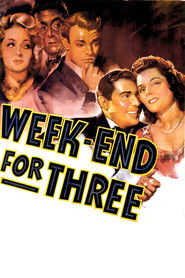 Weekend for ThreeComedy | — | — | — | — | 53 |
How we measure: Only released feature films (40+ minutes) are counted — video box sets, compilations, shorts, documentaries, and upcoming releases are excluded unless award-recognized. Box office is the domestic (US & Canada) theatrical gross, and PACINO always adjusts it to 2026 dollars using historical US Bureau of Labor Statistics CPI-U annual averages (1913–2026) so stars from every era compete on equal footing. Overseas earnings are not counted, which can undersell stars whose biggest hits played mainly abroad. Reception blends critics (75% Metacritic, 25% Rotten Tomatoes, with RT-only films calibrated to that same blend) 50/50 with fans (IMDb user ratings). Click any film's PACINO score for its full breakdown. Figures come from public sources and can be incomplete, especially for older, foreign and smaller releases.