
Directors · CAPRA Dossier

Jean Negulesco
1940–1964 · 28 scored directed films · Craiova, Dolj, Romania
From Wikipedia, the free encyclopedia. Jean Negulesco (26 February 1900 – 18 July 1993) was a Romanian-born American film director and screenwriter. Born in Craiova, he attended Carol I High School. In 1915 he moved to Vienna, in 1919 to Bucharest, where he worked as a painter, before becoming a stage decorator in Paris. In 1927 he went to New York City for an exhibition of his paintings, and settled there. In 1934 he entered the film industry, first as a sketch artist, then as an assistant producer, second unit director and in the late 1930s he became a director and screenwriter. He made a reputation at Warner Brothers by directing short subjects, particularly a series of band shorts featuring unusual camera angles and dramatic use of shadows and silhouettes. Negulesco's first feature film as director was Singapore Woman (1941). In 1948 he was nominated for an Academy Award for Directing for Johnny Belinda. In 1955, he won the BAFTA Award for Best Film for How to Marry a Millionaire. His 1959 movie The Best of Everything was on Entertainment Weekly's "Top 50 Cult Films of All-Time" list. From the late 1960s, he lived in Marbella, Spain. He died there at age 93, of heart failure. During his Hollywood career and in his 1984 autobiography, Negulesco claimed to have been born on 29 February 1900; he was apparently motivated to make this statement because birthdays on Leap Year Day are comparatively rare. In fact, 1900 was not a leap year, so there was no 29 February in 1900. Negulesco's autobiography (in which this claim appears) is appropriately titled Things I Did and Things I Think I Did. Description above from the Wikipedia article Jean Negulesco, licensed under CC-BY-SA, full list of contributors on Wikipedia
Directing Filmography (28 of 28 counted)







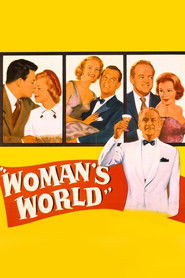

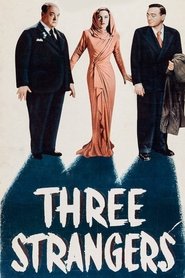






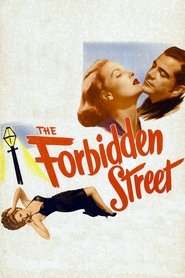


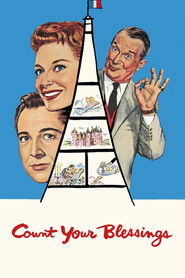
How we measure: Only released feature films (40+ minutes) are counted — video box sets, compilations, shorts, documentaries, and upcoming releases are excluded unless award-recognized. Box office is the domestic (US & Canada) theatrical gross, and PACINO always adjusts it to 2026 dollars using historical US Bureau of Labor Statistics CPI-U annual averages (1913–2026) so stars from every era compete on equal footing. Overseas earnings are not counted, which can undersell stars whose biggest hits played mainly abroad. Reception blends critics (75% Metacritic, 25% Rotten Tomatoes, with RT-only films calibrated to that same blend) 50/50 with fans (IMDb user ratings). Click any film's PACINO score for its full breakdown. Figures come from public sources and can be incomplete, especially for older, foreign and smaller releases.