
Directors · CAPRA Dossier
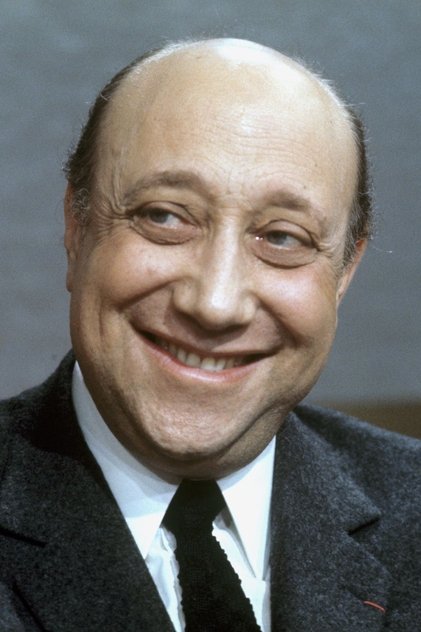
Jean-Pierre Melville
1949–1972 · 13 scored directed films · Paris, France
Jean-Pierre Grumbach (20 October 1917 – 2 August 1973), known professionally as Jean-Pierre Melville (French: [mɛlvil]), was a French filmmaker. Considered a spiritual father of the French New Wave, he was one of the first fully-independent French filmmakers to achieve commercial and critical success. His works include the crime dramas Bob le flambeur (1956), Le Doulos (1962), Le Samouraï (1967), and Le Cercle Rouge (1970), and the war films Le Silence de la mer (1949) and Army of Shadows (1969). Melville's subject matter and approach to filmmaking was heavily influenced by his service in the French Resistance during World War II, during which he adopted the pseudonym 'Melville' as a tribute to his favorite American author Herman Melville. He kept it as his stage name once the war was over. His sparse, existentialist but stylish approach to film noir and later neo-noir films, many of them in the crime dramas, have been highly influential to future generations of filmmakers. Roger Ebert appraised him as "one of the greatest directors." Description above from the Wikipedia article Jean-Pierre Melville, licensed under CC-BY-SA, full list of contributors on Wikipedia.
Directing Filmography (13 of 13 counted)
| Count | Film | Awards | ||||||||
|---|---|---|---|---|---|---|---|---|---|---|
| 1969 | 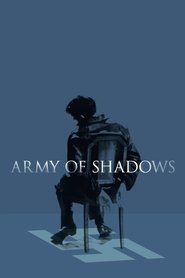 Army of ShadowsDrama · Thriller | — | $8M | 97% | 99 | 81 | ||||
| 1970 | 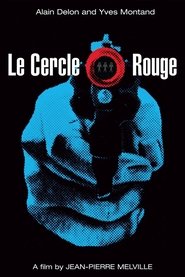 Le Cercle RougeCrime · Drama · Thriller | — | $3M | 96% | 92 | 79 | ||||
| 1967 | 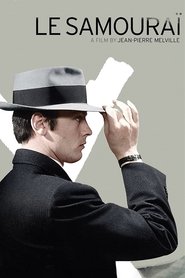 Le SamouraïCrime · Thriller · Drama | — | $2M | 92% | 90 | 80 | ||||
| 1962 | 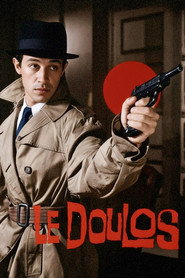 Le DoulosDrama · Thriller · Crime | — | $1M | 96% | — | 77 | ||||
| 1966 |  Le Deuxième SouffleAction · Drama · Crime | — | — | — | — | 79 | ||||
| 1961 | 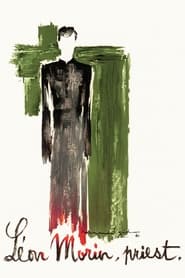 Léon Morin, PriestDrama · Romance | — | $1M | 96% | — | 75 | ||||
| 1956 | 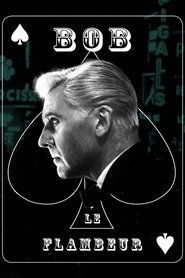 Bob le FlambeurDrama · Action · Crime | — | — | — | 80 | 75 | ||||
| 1949 | 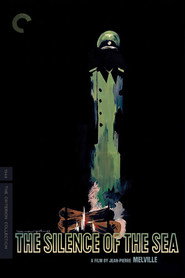 The Silence of the SeaDrama · War | — | — | — | — | 76 | ||||
| 1972 | 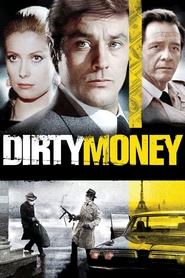 Un FlicCrime · Thriller | — | — | 82% | 72 | 70 | ||||
| 1950 | 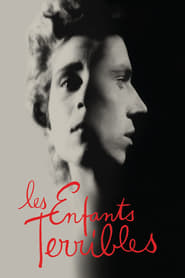 The Strange OnesDrama | — | — | — | — | 69 | ||||
| 1959 | 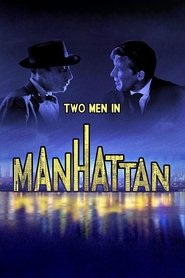 Two Men in ManhattanCrime · Drama · Thriller | — | — | — | — | 66 | ||||
| 1953 | 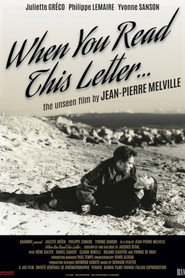 When You Read This LetterDrama | — | — | — | — | 66 | ||||
| 1963 | 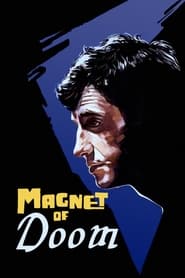 Magnet of DoomCrime · Drama · Adventure | — | — | — | — | 65 |
How we measure: Only released feature films (40+ minutes) are counted — video box sets, compilations, shorts, documentaries, and upcoming releases are excluded unless award-recognized. Box office is the domestic (US & Canada) theatrical gross, and PACINO always adjusts it to 2026 dollars using historical US Bureau of Labor Statistics CPI-U annual averages (1913–2026) so stars from every era compete on equal footing. Overseas earnings are not counted, which can undersell stars whose biggest hits played mainly abroad. Reception blends critics (75% Metacritic, 25% Rotten Tomatoes, with RT-only films calibrated to that same blend) 50/50 with fans (IMDb user ratings). Click any film's PACINO score for its full breakdown. Figures come from public sources and can be incomplete, especially for older, foreign and smaller releases.