
Directors · CAPRA Dossier

John Llewellyn Moxey
1959–1976 · 11 scored directed films · Argentina
John Llewellyn Moxey (sometimes credited as John L. Moxey or John Moxey) (February 26, 1925 – April 29, 2019) was an Argentinian-born British film and television director. He was best-known for the horror film The City of the Dead (also known as Horror Hotel, 1960) and episodes of The Saint, Magnum, P.I. and Murder, She Wrote, as well as many TV movies, including The House That Would Not Die (1970), A Taste of Evil (1971), Home for the Holidays (1972), The Night Stalker (1972), Genesis II (1973), Where Have All the People Gone? (1974), Nightmare in Badham County (1976), Ebony, Ivory and Jade (1979), No Place to Hide (1981) and I, Desire (1982). Description above from the Wikipedia article John Llewellyn Moxey, licensed under CC-BY-SA, full list of contributors on Wikipedia.
Directing Filmography (11 of 11 counted)
| Count | Film | Awards | ||||||||
|---|---|---|---|---|---|---|---|---|---|---|
| 1965 | 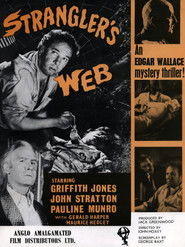 Strangler's WebDrama | — | — | — | — | 72 | ||||
| 1976 |  Charlie's AngelsCrime · Drama | — | — | — | — | 70 | ||||
| 1963 |  RicochetCrime | — | — | — | — | 67 | ||||
| 1960 | 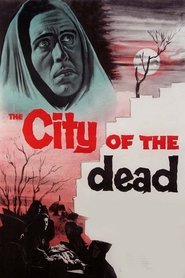 The City of the DeadMystery · Horror | — | — | — | — | 67 | ||||
| 1964 |  DownfallDrama · Mystery | — | — | — | — | 66 | ||||
| 1962 | 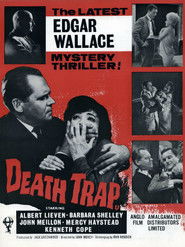 Death TrapCrime | — | — | — | — | 62 | ||||
| 1962 |  The £20,000 KissCrime | — | — | — | — | 61 | ||||
| 1959 | The Scent of Fear | — | — | — | — | 61 | ||||
| 1974 |  The Strange and Deadly OccurrenceHorror · Mystery | — | — | — | — | 59 | ||||
| 1960 | 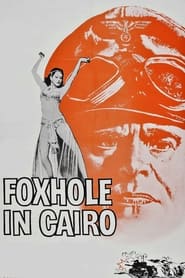 Foxhole in CairoDrama · War | — | — | — | — | 58 | ||||
| 1966 | 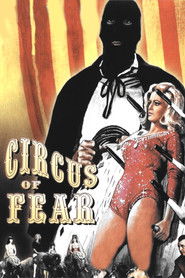 Circus of FearHorror · Mystery · Thriller | — | — | — | — | 54 |
How we measure: Only released feature films (40+ minutes) are counted — video box sets, compilations, shorts, documentaries, and upcoming releases are excluded unless award-recognized. Box office is the domestic (US & Canada) theatrical gross, and PACINO always adjusts it to 2026 dollars using historical US Bureau of Labor Statistics CPI-U annual averages (1913–2026) so stars from every era compete on equal footing. Overseas earnings are not counted, which can undersell stars whose biggest hits played mainly abroad. Reception blends critics (75% Metacritic, 25% Rotten Tomatoes, with RT-only films calibrated to that same blend) 50/50 with fans (IMDb user ratings). Click any film's PACINO score for its full breakdown. Figures come from public sources and can be incomplete, especially for older, foreign and smaller releases.