
Directors · CAPRA Dossier

Junya Satō
1963–2010 · 24 scored directed films · Tokyo, Japan
Junya Satō (佐藤 純彌, Satō Jun'ya, 6 November 1932 – 9 February 2019) was a Japanese film director and screenwriter. His son, Tōya Satō (佐藤 東弥, Satō Tōya), is also a film director. Born in Tokyo, Satō graduated from the University of Tokyo in 1956 with a degree in French literature. He joined the Toei studio and worked as an assistant to such directors as Tadashi Imai and Miyoji Ieki. He debuted as a director in 1963 with Rikugun Zangyaku Monogatari, for which he won a best newcomer's award at the Blue Ribbon Awards. While starting in mostly yakuza film, Satō eventually became known for big budget spectaculars. The Go Masters, a China-Japan co-production he co-directed with Duan Jishun, won the grand prize at the Montreal World Film Festival in 1983. He won the Japan Academy Prize for Director of the Year in 1989 for The Silk Road.
Directing Filmography (24 of 24 counted)
| Count | Film | Awards | ||||||||
|---|---|---|---|---|---|---|---|---|---|---|
| 1971 |  The Gambler's CounterattackDrama · Crime | — | — | — | — | 74 | ||||
| 1970 |  The Last KamikazeWar · Drama | — | — | — | — | 73 | ||||
| 1986 | 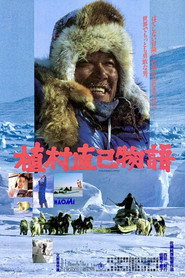 Lost in the WildernessAdventure · History | — | — | — | — | 72 | ||||
| 1982 |  The Go MastersDrama | — | — | — | — | 72 | ||||
| 1992 | 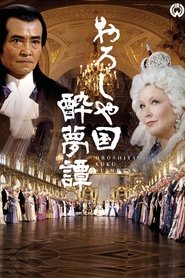 The Dream of RussiaDrama · History | — | — | — | — | 70 | ||||
| 1984 |  KukaiHistory · Drama | — | — | — | — | 70 | ||||
| 1983 | 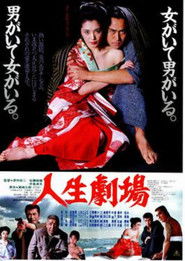 Theater Of LifeDrama | — | — | — | — | 70 | ||||
| 1963 | 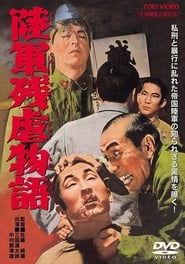 Tale of Army BrutalityDrama · War | — | — | — | — | 69 | ||||
| 1988 | 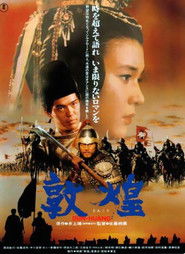 The Silk RoadDrama · History | — | $0.3M | — | — | 68 | ||||
| 1975 |  The Bullet TrainAction · Crime · Drama | — | — | — | — | 68 | ||||
| 1971 |  The Armed OrganizationDrama · Crime | — | — | — | — | 68 | ||||
| 1976 | 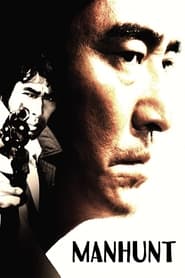 ManhuntAction · Crime · Drama | — | — | — | — | 67 | ||||
| 1973 |  A True Story of the Private Ginza PoliceDrama · Action · Crime | — | — | — | — | 67 | ||||
| 1977 |  Proof of the ManDrama · Crime · Mystery | — | — | — | — | 66 | ||||
| 1964 | 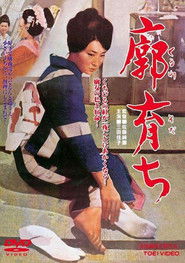 Raised in a PalaceDrama | — | — | — | — | 66 | ||||
| 2005 | 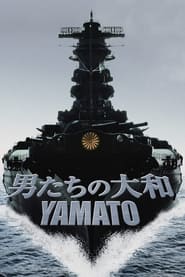 YamatoWar · History | — | — | — | — | 64 | ||||
| 2010 | 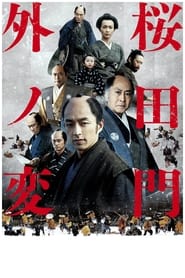 Sakurada Gate IncidentHistory · Drama · Action | — | — | — | — | 62 | ||||
| 1968 |  The Drifting AvengerDrama · Western | — | — | — | — | 62 | ||||
| 1978 | 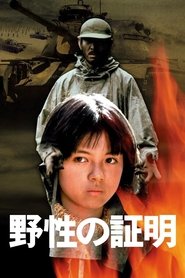 Never Give UpDrama · Action · Thriller | — | — | — | — | 61 | ||||
| 1973 |  Golgo 13Action · Crime | — | — | — | — | 61 | ||||
| 1966 |  Thirst for LoveDrama | — | — | — | — | 58 | ||||
| 1969 |  The Private PoliceCrime | — | — | — | — | 56 | ||||
| 1992 |  Hold Me and Kiss MeDrama | — | — | — | — | 49 | ||||
| 1997 |  The Peking ManSci-Fi | — | — | — | — | 42 |
How we measure: Only released feature films (40+ minutes) are counted — video box sets, compilations, shorts, documentaries, and upcoming releases are excluded unless award-recognized. Box office is the domestic (US & Canada) theatrical gross, and PACINO always adjusts it to 2026 dollars using historical US Bureau of Labor Statistics CPI-U annual averages (1913–2026) so stars from every era compete on equal footing. Overseas earnings are not counted, which can undersell stars whose biggest hits played mainly abroad. Reception blends critics (75% Metacritic, 25% Rotten Tomatoes, with RT-only films calibrated to that same blend) 50/50 with fans (IMDb user ratings). Click any film's PACINO score for its full breakdown. Figures come from public sources and can be incomplete, especially for older, foreign and smaller releases.