
Directors · CAPRA Dossier

Marc Allégret
1931–1970 · 34 scored directed films · Bâle, Suisse
Marc Allégret was a French screenwriter and film director. He was born in Basel, Basel-Stadt, Switzerland, the elder brother of Yves Allégret. Marc was educated to be a lawyer. Allégret became André Gide's lover when he was fifteen and Gide was forty-seven. Later, Marc was to fall briefly under the spell of Cocteau, who Gide feared would "corrupt" him. Marc's father, Elie Allégret, had originally been hired by André Gide's mother to tutor André in light of his weak grades in school, after which he and his charge became fast friends. In 1895 Elie Allégret was best man at André Gide's wedding. After filming a 1927 trip to the Congo with André Gide, Marc Allégret chose to pursue a career in the motion picture industry. His relationship with Gide ended after that trip after having experiences with Congolese women. They nevertheless remained close friends until Gide's death in 1951. After working and training as an assistant director, in 1931 he directed his first feature Mam'zelle Nitouche, and the following year received much acclaim for his film, Fanny. He went on to a long career during which he wrote numerous scripts and directed more than fifty films. Marc Allégret is noted for discovering and developing new acting talent who went on to stardom including Michèle Morgan, Jean-Paul Belmondo, Raimu, Gérard Philipe, Danièle Delorme, Louis Jourdan, and Roger Vadim who would become his directing assistant. He was married to Nadine Vogel. He was a married man who then felt he had an obligation to proclaim his homosexuality. He was, however, seen as a general liberator rather than a specialist defender of homosexual rights. He died in 1973 and was interred in the Cimetière des Gonards in Versailles, France.
Directing Filmography (34 of 34 counted)




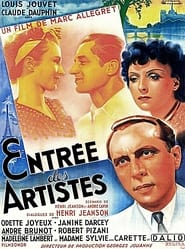



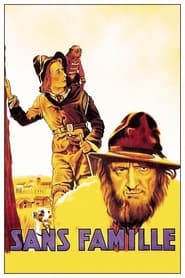

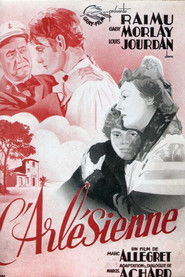
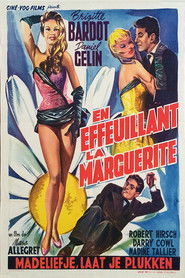
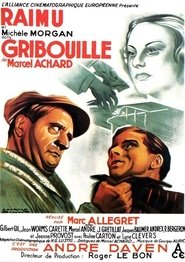





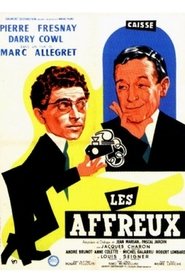

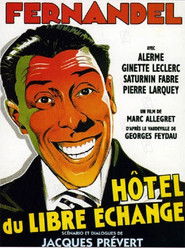


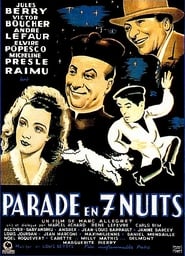
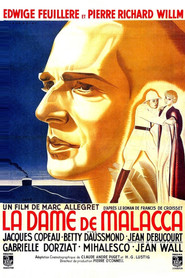


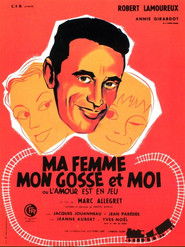

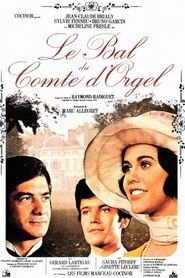


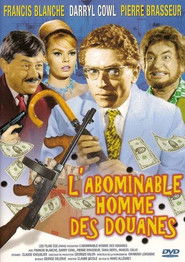
How we measure: Only released feature films (40+ minutes) are counted — video box sets, compilations, shorts, documentaries, and upcoming releases are excluded unless award-recognized. Box office is the domestic (US & Canada) theatrical gross, and PACINO always adjusts it to 2026 dollars using historical US Bureau of Labor Statistics CPI-U annual averages (1913–2026) so stars from every era compete on equal footing. Overseas earnings are not counted, which can undersell stars whose biggest hits played mainly abroad. Reception blends critics (75% Metacritic, 25% Rotten Tomatoes, with RT-only films calibrated to that same blend) 50/50 with fans (IMDb user ratings). Click any film's PACINO score for its full breakdown. Figures come from public sources and can be incomplete, especially for older, foreign and smaller releases.