
Directors · CAPRA Dossier
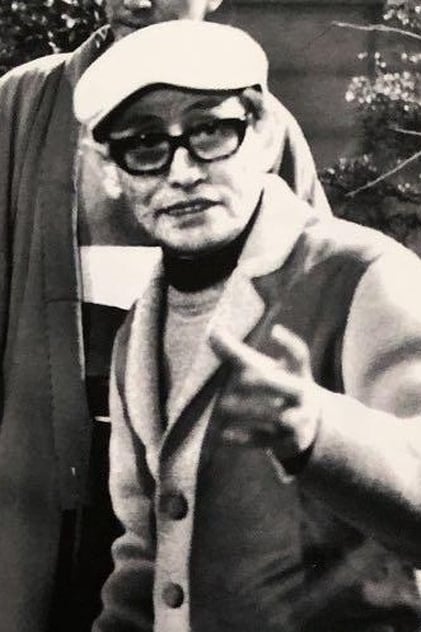
Masahiro Makino
1937–1971 · 18 scored directed films · Kyoto, Japan
Masahiro Makino (マキノ 雅弘, Makino Masahiro, February 29, 1908 - October 29, 1993) was a Japanese film director. He directed more than 260 films, primarily in the chanbara and yakuza genres. His real name was Masatada (正唯), but he took the stage name Masahiro, the kanji for which he changed multiple times (including 雅広, 正博, and 雅裕). Masahiro Makino was born in Kyoto, the eldest son of the film director and producer Shōzō Makino, who is often called the father of Japanese cinema. As a youth he acted in over 100 films before debuting as a film director in 1926 at age 18. His critically acclaimed nihilistic jidaigeki such as Roningai (1928) made him one of the top Japanese film directors, but his way of shooting films quickly also earned him detractors. For instance, the total time it took to shoot the 1936 film Edo no Ka Oshō was only 28 hours.The critic Sadao Yamane, however, has argued that this fast filming practice also contributed to Makino's speedy, rhythmic film style. Rhythm and tempo are important to his films, and so in his jidaigeki, fight scenes like in Kettō Takadanobaba (1937) could seem like dances, or entire sequences, like in Awa no Odoriko (1941), could be filled with dance. He made musicals like Singing Lovebirds (1939) and even his wartime propaganda films like Hanako-san and Ahen senso (both 1943) could have Busby Berkeley-like musical numbers. After the war, he helmed such popular jidaigeki series as Jirōchō Sangokushi and such ninkyō eiga series as Nihon Kyōkaku-den. He directed his last film in 1972, the retirement film for Junko Fuji, completing a filmography that totaled over 260 films and included films of many genres.
Directing Filmography (18 of 18 counted)
| Count | Film | Awards | ||||||||
|---|---|---|---|---|---|---|---|---|---|---|
| 1962 | 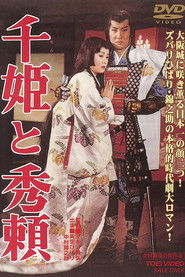 Lady Sen and HideyoriDrama | — | — | — | — | 72 | ||||
| 1938 | 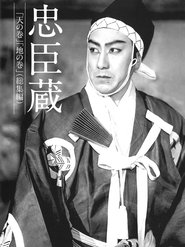 ChushinguraHistory · Drama | — | — | — | — | 72 | ||||
| 1937 | 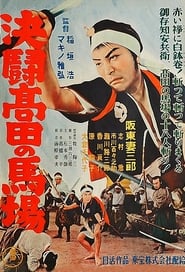 Blood Spilled at TakadanobabaAction · Comedy · Drama | — | — | — | — | 72 | ||||
| 1967 | 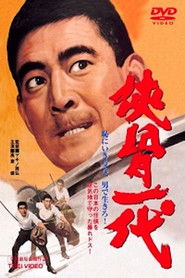 The Chivalrous LifeCrime · Drama | — | — | — | — | 71 | ||||
| 1960 | 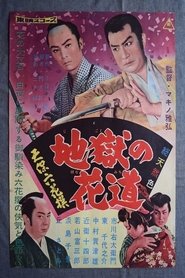 Runway to HellAction · Drama | — | — | — | — | 70 | ||||
| 1939 |  Singing LovebirdsMusic · Comedy | — | — | — | — | 70 | ||||
| 1969 | 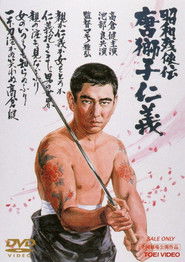 Brutal Tales of Chivalry 5: Man With The Karajishi TattooDrama | — | — | — | — | 69 | ||||
| 1967 | 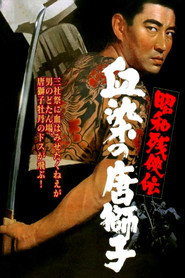 Contemporary Tales of Chivalry 4Crime · Action | — | — | — | — | 69 | ||||
| 1964 | 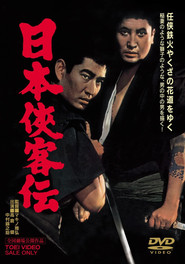 The DomainAction · Crime | — | — | — | — | 67 | ||||
| 1963 | 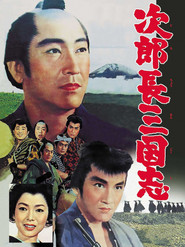 The Kingdom of Jirocho 1 | — | — | — | — | 67 | ||||
| 1971 | 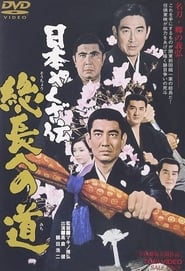 The Path of the KingCrime · Action | — | — | — | — | 66 | ||||
| 1950 |  Fencing MasterAction · Adventure · Drama | — | — | — | — | 66 | ||||
| 1941 | 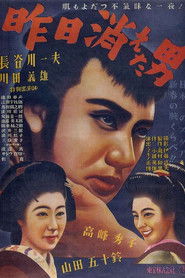 The Man Who Disappeared YesterdayMystery · History | — | — | — | — | 66 | ||||
| 1962 |  A Revengeful Raid | — | — | — | — | 64 | ||||
| 1968 |  New Prison Walls of AbashiriCrime · Drama | — | — | — | — | 63 | ||||
| 1941 | 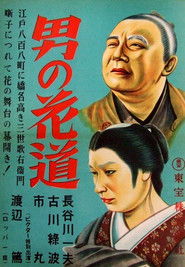 A Man's Flower Road of TriumphDrama | — | — | — | — | 60 | ||||
| 1945 |  Victory SongDrama | — | — | — | — | 55 | ||||
| 1959 | 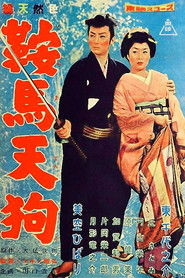 Goblin in StirrupsDrama · Adventure | — | — | — | — | 50 |
How we measure: Only released feature films (40+ minutes) are counted — video box sets, compilations, shorts, documentaries, and upcoming releases are excluded unless award-recognized. Box office is the domestic (US & Canada) theatrical gross, and PACINO always adjusts it to 2026 dollars using historical US Bureau of Labor Statistics CPI-U annual averages (1913–2026) so stars from every era compete on equal footing. Overseas earnings are not counted, which can undersell stars whose biggest hits played mainly abroad. Reception blends critics (75% Metacritic, 25% Rotten Tomatoes, with RT-only films calibrated to that same blend) 50/50 with fans (IMDb user ratings). Click any film's PACINO score for its full breakdown. Figures come from public sources and can be incomplete, especially for older, foreign and smaller releases.