
Directors · CAPRA Dossier

Mauro Bolognini
1953–1991 · 38 scored directed films · Pistoia, Tuscany, Italy
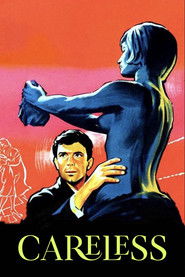
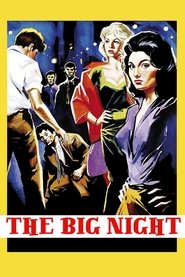
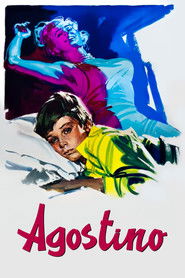
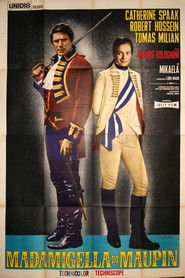
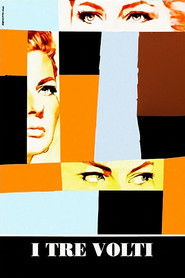
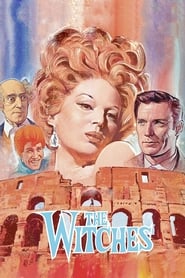
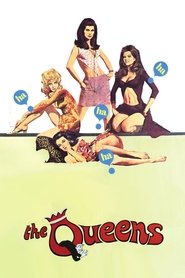
Mauro Bolognini (28 June 1922 – 14 May 2001) was an Italian film and stage director. Bolognini began directing his own feature films in the mid-1950s, and received his first international success with Wild Love (Gli innamorati). His other notable films of the 1950s and early 1960s include Young Husbands (Giovani mariti), The Big Night (La notte brava), From a Roman Balcony (La giornata balorda), and the Marcello Mastroianni-Claudia Cardinale starrer Il bell'Antonio, all written by Pier Paolo Pasolini. Parting professionally with Pasolini in 1961, Bolognini directed two love stories starring Claudia Cardinale, The Lovemakers (La viaccia) and Careless (Senilità), and the coming-of-age films Agostino and Corruption (La corruzione) before turning his talents to a series of international anthology films, including The Dolls (Le bambole), Three Faces of a Woman (I tre volti), The Queens (Le fate) and The Witches (Le streghe). Bolognini returned to features in 1966 with Madamigella di Maupin (Mademoiselle de Maupin) featuring Catherine Spaak and Robert Hossein. His films of the 1970s include the period dramas Metello and Bubù, both starring Massimo Ranieri, The Murri Affair (Fatti di gente perbene) starring Giancarlo Giannini and Catherine Deneuve and The Inheritance (L'eredità Ferramonti) with Anthony Quinn and Dominique Sanda. In 1981, Bolognini filmed The Lady of the Camellias (La storia vera della signora delle camelie), inspired by the Alexandre Dumas, fils novel and play. Throughout the decade, he continued directing feature films, as well as the television miniseries The Charterhouse of Parma and A Time of Indifference. His final feature was the soft-core erotic drama Husband and Lovers (La villa del venerdì) starring Julian Sands and Joanna Pacula, released in 1991.
Directing Filmography (38 of 38 counted)







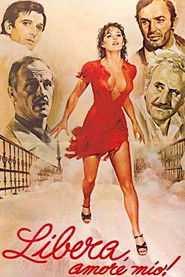



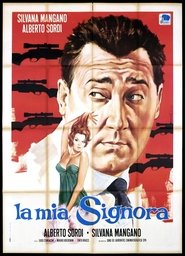

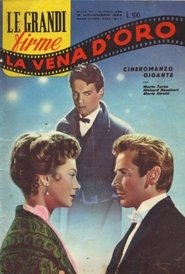
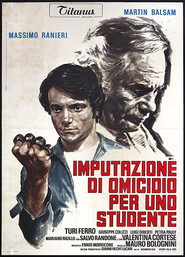
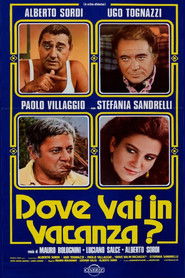
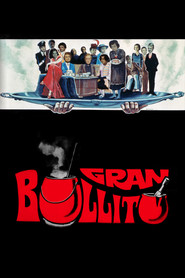

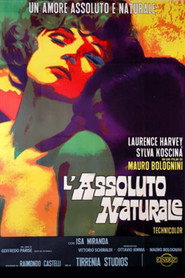
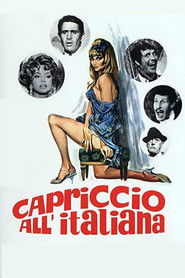



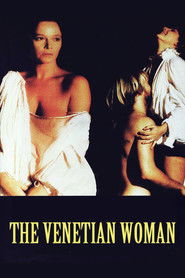

How we measure: Only released feature films (40+ minutes) are counted — video box sets, compilations, shorts, documentaries, and upcoming releases are excluded unless award-recognized. Box office is the domestic (US & Canada) theatrical gross, and PACINO always adjusts it to 2026 dollars using historical US Bureau of Labor Statistics CPI-U annual averages (1913–2026) so stars from every era compete on equal footing. Overseas earnings are not counted, which can undersell stars whose biggest hits played mainly abroad. Reception blends critics (75% Metacritic, 25% Rotten Tomatoes, with RT-only films calibrated to that same blend) 50/50 with fans (IMDb user ratings). Click any film's PACINO score for its full breakdown. Figures come from public sources and can be incomplete, especially for older, foreign and smaller releases.