
Directors · CAPRA Dossier
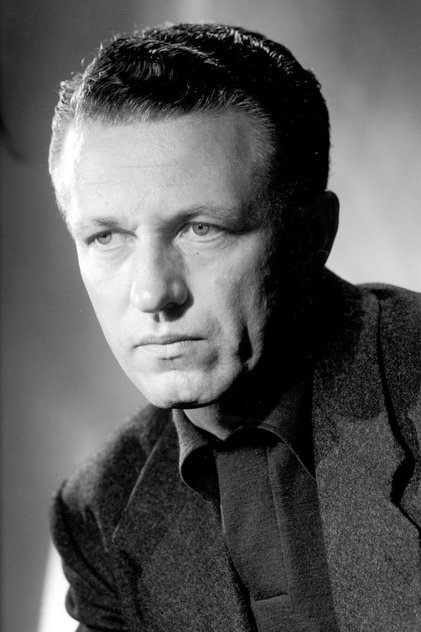
Nicholas Ray
1949–1974 · 22 scored directed films · Galesville, Wisconsin, USA
Nicholas Ray (born Raymond Nicholas Kienzle; 7 August 1911 – 16 June 1979) was an American film director best known for the films Rebel Without a Cause and Johnny Guitar. Described by the Harvard Film Archive as "Hollywood's last romantic" and "one of postwar American cinema’s supremely gifted and ultimately tragic filmmakers," Ray was considered an iconoclastic auteur director who often clashed with the Hollywood studio system of the time, but would prove highly influential to future generations of filmmakers. His best-known work is the 1955 film Rebel Without a Cause, starring James Dean. He is appreciated for many narrative features produced between 1947 and 1963, including They Live By Night (1948), In A Lonely Place (1950), Johnny Guitar (1954), Bigger Than Life (1956), and King of Kings (1961), as well as an experimental work produced throughout the 1970s titled We Can't Go Home Again, which was unfinished at the time of Ray's death. During his lifetime, Ray was nominated for an Academy Award for Best Adapted Screenplay for Rebel Without a Cause, twice for the Golden Lion, for Bigger Than Life (1956) and Bitter Victory (1957), and a Palme d'Or for The Savage Innocents (1960). Three of his films were ranked by Cahiers du Cinéma in their Annual Top 10 Lists. Ray's compositions within the CinemaScope frame and use of color are particularly well regarded and he was an important influence on the French New Wave, with Jean-Luc Godard famously writing in a review of Bitter Victory, "... there is cinema. And the cinema is Nicholas Ray."
Directing Filmography (22 of 22 counted)
| Count | Film | Awards | ||||||||
|---|---|---|---|---|---|---|---|---|---|---|
| 1955 | 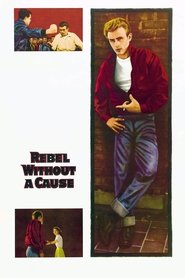 Rebel Without a CauseDrama | — | $2M | 91% | 89 | 76 | ||||
| 1954 | 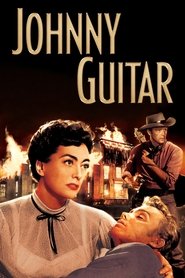 Johnny GuitarWestern | — | — | 94% | 83 | 76 | ||||
| 1950 |  In a Lonely PlaceThriller · Drama · Romance | — | — | 96% | — | 79 | ||||
| 1952 | 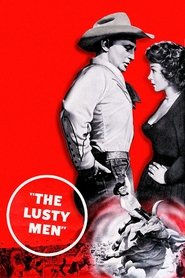 The Lusty MenDrama · Western | — | — | 100% | — | 74 | ||||
| 1949 | 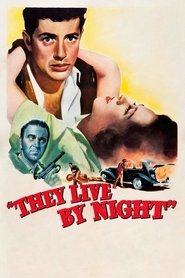 They Live by NightCrime · Romance · Drama | — | — | — | 82 | 74 | ||||
| 1956 | 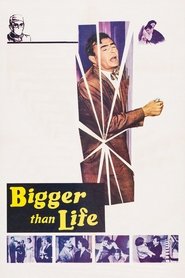 Bigger Than LifeDrama | — | — | 91% | — | 74 | ||||
| 1951 | 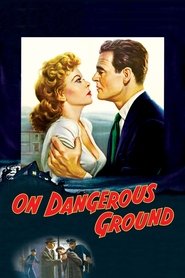 On Dangerous GroundDrama · Crime | — | — | 89% | 78 | 72 | ||||
| 1958 | 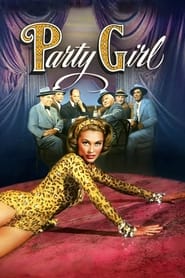 Party GirlCrime · Drama · Romance | — | — | 85% | — | 70 | ||||
| 1961 | 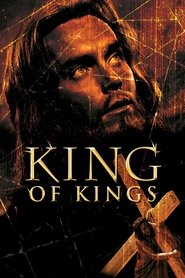 King of KingsDrama · History | — | — | 80% | — | 70 | ||||
| 1957 | 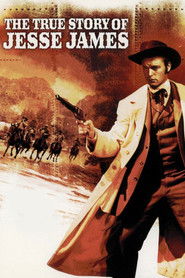 The True Story of Jesse JamesWestern | — | — | 88% | — | 62 | ||||
| 1957 | 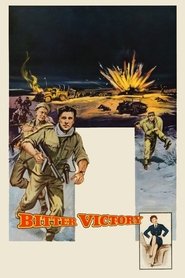 Bitter VictoryDrama · War | — | — | 78% | — | 67 | ||||
| 1955 | 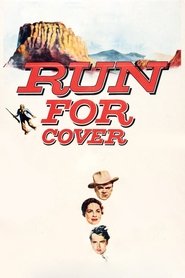 Run for CoverWestern · Drama | — | $19M | — | — | 67 | ||||
| 1951 | 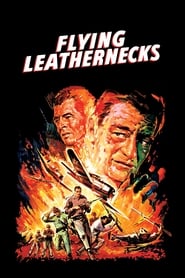 Flying LeathernecksWar · Action · Drama | — | — | 67% | 75 | 63 | ||||
| 1960 | 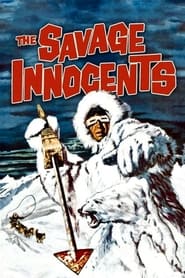 The Savage InnocentsDrama · Adventure | — | — | 71% | — | 68 | ||||
| 1950 |  Born to Be BadDrama | — | — | 71% | — | 66 | ||||
| 1958 | 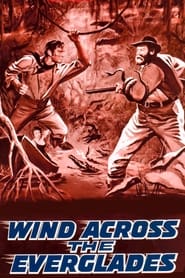 Wind Across the EvergladesAdventure · Drama | — | — | — | — | 65 | ||||
| 1949 | 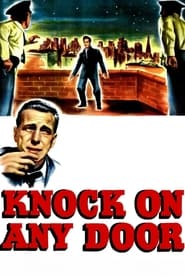 Knock on Any DoorDrama · Crime | — | — | 69% | — | 66 | ||||
| 1973 | 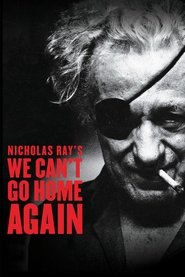 We Can't Go Home AgainDrama | — | — | — | — | 62 | ||||
| 1963 | 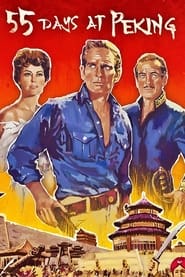 55 Days at PekingHistory · War · Drama | — | — | 57% | — | 67 | ||||
| 1956 | 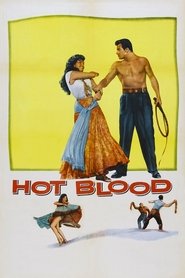 Hot BloodDrama · Romance · Music | — | — | — | — | 57 | ||||
| 1949 | 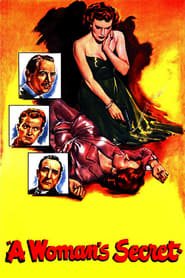 A Woman's SecretMystery · Drama | — | — | 43% | — | 60 | ||||
| 1974 | 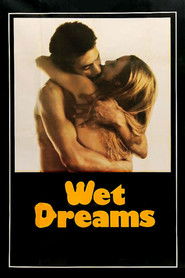 Wet DreamsDrama | — | — | — | — | 51 |
How we measure: Only released feature films (40+ minutes) are counted — video box sets, compilations, shorts, documentaries, and upcoming releases are excluded unless award-recognized. Box office is the domestic (US & Canada) theatrical gross, and PACINO always adjusts it to 2026 dollars using historical US Bureau of Labor Statistics CPI-U annual averages (1913–2026) so stars from every era compete on equal footing. Overseas earnings are not counted, which can undersell stars whose biggest hits played mainly abroad. Reception blends critics (75% Metacritic, 25% Rotten Tomatoes, with RT-only films calibrated to that same blend) 50/50 with fans (IMDb user ratings). Click any film's PACINO score for its full breakdown. Figures come from public sources and can be incomplete, especially for older, foreign and smaller releases.