
Directors · CAPRA Dossier
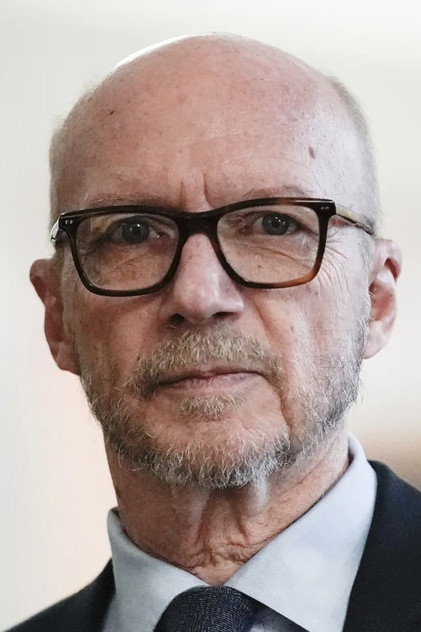
Paul Haggis
1993–2014 · 5 scored directed films · London, Ontario, Canada
Haggis began to work as a writer for television programs, including The Love Boat, One Day at a Time, Diff'rent Strokes, and The Facts of Life. With The Facts of Life, Haggis also gained his first credit as producer. During the 1980s and 1990s, Haggis wrote for television series including thirtysomething, The Tracey Ullman Show, FM, Due South, L.A. Law, and EZ Streets. He helped to create the television series Walker, Texas Ranger; Family Law; and Due South. Haggis served as executive producer of the series Michael Hayes and Family Law. He gained recognition in the film industry for his work on the 2004 film Million Dollar Baby, which Allmovie described as a "serious milestone" for the writer/producer, and as "his first high-profile foray into feature film". Haggis had read two stories written by Jerry Boyd, a boxing trainer who wrote under the name of F.X. Toole. Haggis later acquired the rights to the stories, and developed them into the screenplay for Million Dollar Baby. Clint Eastwood portrayed the lead character in the film. Eastwood also directed the film, and used the screenplay written by Haggis. Million Dollar Baby received four Academy Awards including the Academy Award for Best Picture. After Million Dollar Baby, Haggis worked on the 2004 film Crash. Haggis came up with the story for the film on his own, and then wrote and directed the film, which allowed him greater control over his work. Crash was his first experience as director of a major feature film. Highly positive upon release, critical reception of Crash has since polarized, although Roger Ebert called it the best film of 2005. Crash received Academy Award nominations for Best Picture and Best Director, in addition to four other Academy Award nominations. Haggis received two Academy Awards for the film: Best Picture (as its producer), and Best Writing for his work on the screenplay. With Million Dollar Baby and then Crash, Haggis became the first individual to have written Best Picture Oscar-winners in two consecutive years. Haggis said that he wrote Crash to "bust liberals", arguing that his fellow liberals were not honest with themselves about the nature of race and racism because they believed that most racial problems had already been resolved in American society.
Directing Filmography (5 of 5 counted)
| Count | Film | Awards | ||||||||
|---|---|---|---|---|---|---|---|---|---|---|
| 2005 | 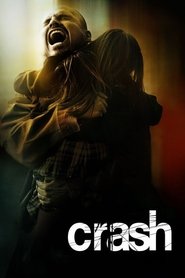 CrashDrama | 🏆Dir. OscarNom🎬Best PictureWin🎭BAFTANom🎥DGANom | $93M | 73% | 66 | 77 | ||||
| 2007 | 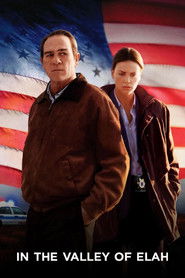 In the Valley of ElahHistory · Drama · Thriller | — | $11M | 73% | 65 | 71 | ||||
| 2010 | 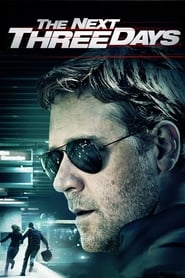 The Next Three DaysRomance · Drama · Thriller | — | $32M | 50% | 52 | 73 | ||||
| 1993 |  Red HotDrama | — | — | — | — | 54 | ||||
| 2014 |  Third PersonDrama · Romance | — | $1M | 25% | 38 | 63 |
How we measure: Only released feature films (40+ minutes) are counted — video box sets, compilations, shorts, documentaries, and upcoming releases are excluded unless award-recognized. Box office is the domestic (US & Canada) theatrical gross, and PACINO always adjusts it to 2026 dollars using historical US Bureau of Labor Statistics CPI-U annual averages (1913–2026) so stars from every era compete on equal footing. Overseas earnings are not counted, which can undersell stars whose biggest hits played mainly abroad. Reception blends critics (75% Metacritic, 25% Rotten Tomatoes, with RT-only films calibrated to that same blend) 50/50 with fans (IMDb user ratings). Click any film's PACINO score for its full breakdown. Figures come from public sources and can be incomplete, especially for older, foreign and smaller releases.