
Directors · CAPRA Dossier

Peter Greenaway
1978–2015 · 20 scored directed films · Newport, Gwent, Wales, UK
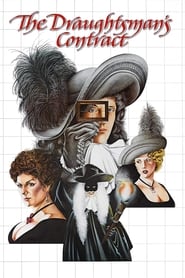
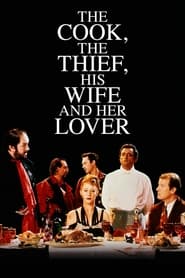
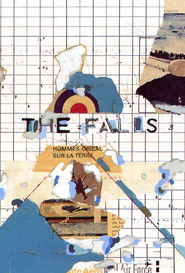
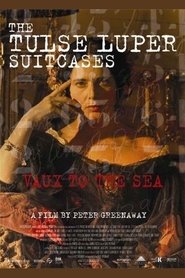
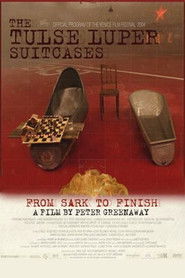
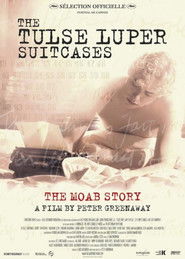
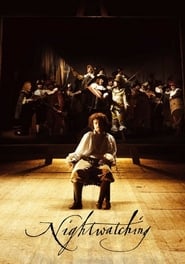
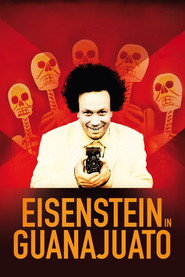
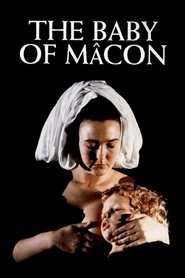
Peter Greenaway, CBE (born 5 April 1942) is a Welsh writer-director, painter, and video artist based in Amsterdam. Throughout the late 1960s and '70s, he produced several experimental documentary/mockumentary shorts while working as a film editor for the Central Office of Information. This early period culminated in "The Falls" (1980), a three-hour mockumentary indexing the strange effects of the VUE (the Violent Unknown Event) on 92 people whose names begin with the letters F-A-L-L. He made his dramatic feature film debut with "The Draughtsman's Contract" (1982), and throughout the 1980s directed a string of critically acclaimed and frequently controversial films: "A Zed & Two Noughts" (1985), "The Belly of an Architect" (1987), "Drowning by Numbers" (1988), and his best-known work, the vicious Thatcher-era satire "The Cook, the Thief, His Wife & Her Lover" (1989). In the 1990s, he directed the Shakespeare adaptation "Prospero's Books" (1991), controversial religious satire "The Baby of Mâcon" (1993), erotic drama "The Pillow Book" (1996), and "8½ Women" (1999), an homage to the films of Federico Fellini, a major influence on Greenaway. In the early 2000s, Greenaway embarked on the ambitious "Tulse Luper" project, a multimedia body of historical fiction revolving around the life of the eponymous fictional hero. In addition to novels, CD-ROMs, online material, and a touring exhibition, the project spawned a trilogy of feature films: "The Tulse Luper Suitcases, Part 1: The Moab Story" (2003), "The Tulse Luper Suitcases, Part 2: Vaux to the Sea" (2004), and "The Tulse Luper Suitcases, Part 3: From Sark to the Finish" (2004). The trilogy was followed by a fourth feature, "A Life in Suitcases" (2005), which abridges the Tulse Luper saga into a single film. Since the mid 2000s, Greenaway's film work has focused on idiosyncratic, heavily fictionalised biopics dedicated to some of his favourite artists: Dutch Golden Age painter Rembrandt van Rijn in "Nightwatching" (2007), Dutch Baroque engraver Hendrik Goltzius in "Goltzius and the Pelican Company" (2012), Soviet Russian filmmaker Sergei Eisenstein in "Eisenstein in Guanajuato" (2015), and Romanian-French sculptor Constantin Brâncuși in "Walking to Paris" (TBD). Greenaway has lived and worked in Amsterdam since the mid 1990s. He is married to artist Saskia Boddeke, with whom he has two children. He also has two children from a previous marriage to potter Carol Greenaway.
Directing Filmography (20 of 20 counted)









How we measure: Only released feature films (40+ minutes) are counted — video box sets, compilations, shorts, documentaries, and upcoming releases are excluded unless award-recognized. Box office is the domestic (US & Canada) theatrical gross, and PACINO always adjusts it to 2026 dollars using historical US Bureau of Labor Statistics CPI-U annual averages (1913–2026) so stars from every era compete on equal footing. Overseas earnings are not counted, which can undersell stars whose biggest hits played mainly abroad. Reception blends critics (75% Metacritic, 25% Rotten Tomatoes, with RT-only films calibrated to that same blend) 50/50 with fans (IMDb user ratings). Click any film's PACINO score for its full breakdown. Figures come from public sources and can be incomplete, especially for older, foreign and smaller releases.