
Directors · CAPRA Dossier
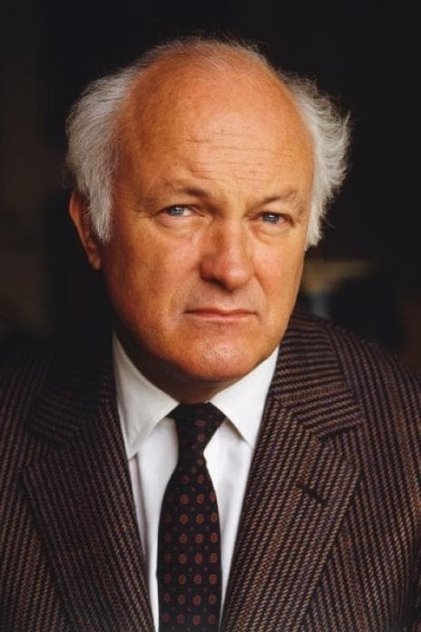
Peter Yates
1963–1998 · 23 scored directed films · Aldershot, Hampshire, England, UK
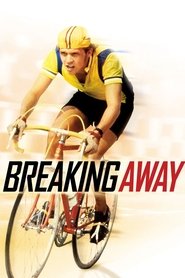
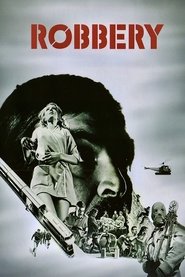
Peter James Yates (24 July 1929 – 9 January 2011) was an English film director and producer. He was born in Aldershot, Hampshire. The son of an army officer, he attended Charterhouse School as a boy, graduated from the Royal Academy of Dramatic Art and worked for some years as an actor, director and stage manager. In the 1950s he started in the movie industry as a dubbing assistant and later an assistant director for Tony Richardson. Summer Holiday (1963), his first film as director, was a "lightweight" vehicle for Cliff Richard. Yates had directed the original Royal Court production of N. F. Simpson's play One Way Pendulum and was chosen to make the film version released in 1964. Robbery (1967), a crime thriller, is a fictionalised version of the Great Train Robbery of 1963. This led to Bullitt (1968), of which Bruce Weber has written, "Mr. Yates’s reputation probably rests most securely on “Bullitt” (1968), his first American film — and indeed, on one particular scene, an extended car chase that instantly became a classic." Yates was nominated for the BAFTA Award for Best Direction for Bullitt (1968). Yates produced and directed Breaking Away (1979), which was nominated for five Academy Awards ("Oscars") including Best Director and Best Film for Yates. Yates also produced and directed The Dresser (1983), which was an adaptation of the Ronald Harwood stage play. The film received seven BAFTA and five Oscar nominations, including the BAFTA Award for Best Film and for Best Direction and the Academy Award for Best Film and for Best Director for Yates. The Dresser was also entered into the 34th Berlin International Film Festival. Yates died in London on 9 January 2011. He was 81 years old. Description above from the Wikipedia article Peter Yates, licensed under CC-BY-SA, full list of contributors on Wikipedia.
Directing Filmography (23 of 23 counted)






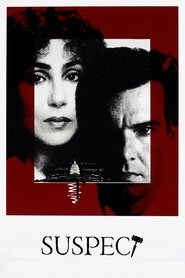





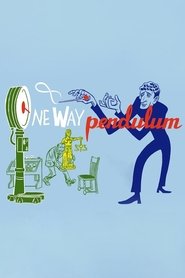


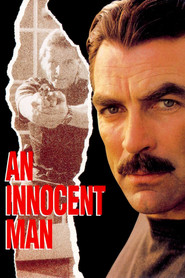
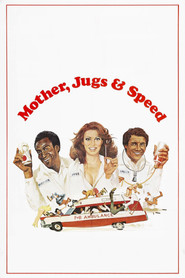



How we measure: Only released feature films (40+ minutes) are counted — video box sets, compilations, shorts, documentaries, and upcoming releases are excluded unless award-recognized. Box office is the domestic (US & Canada) theatrical gross, and PACINO always adjusts it to 2026 dollars using historical US Bureau of Labor Statistics CPI-U annual averages (1913–2026) so stars from every era compete on equal footing. Overseas earnings are not counted, which can undersell stars whose biggest hits played mainly abroad. Reception blends critics (75% Metacritic, 25% Rotten Tomatoes, with RT-only films calibrated to that same blend) 50/50 with fans (IMDb user ratings). Click any film's PACINO score for its full breakdown. Figures come from public sources and can be incomplete, especially for older, foreign and smaller releases.