
Directors · CAPRA Dossier
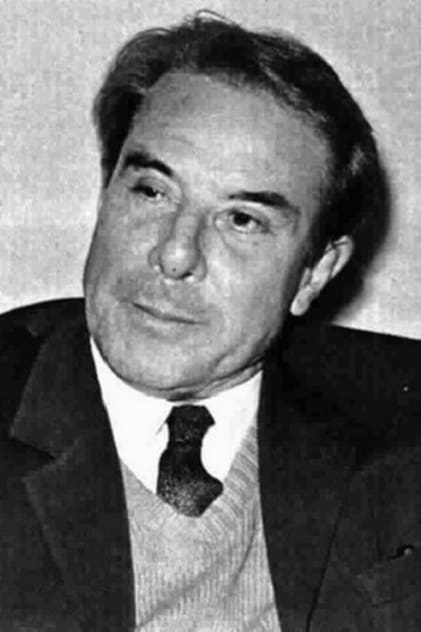
Renato Castellani
1942–1982 · 17 scored directed films · Finale Ligure, Liguria, Italy
Renato Castellani (4 September 1913 – 28 December 1985) was an Italian film director and screenwriter. Son of a representative of Kodak, he was born in Varigotti, at the time a hamlet of Final Pia, which became Finale Ligure (Savona) in 1927, where his mother had returned from Argentina to give birth to his son. He spent his childhood in Argentina, in the city of Rosario. After 12 years, he returned to Liguria and resumed his studies in Genoa. He moved to Milan, where he graduated from the Polytechnic University in architecture. In Milan he met Livio Castiglioni and together they aired for GUF (Fascist University Group) L'ora radiofonica and La fontana malata by Aldo Palazzeschi, experimenting with new techniques for sound editing on radio. He began collaborating in 1936 as a military consultant for The Great Appeal, a film by Mario Camerini. He worked as a film critic and worked - as a screenwriter or assistant director - with important names of the Italian cinema of the time, such as Augusto Genina, with whom he signed the script for Castles in the air (1939), by Mario Soldati, of which he was assistant director on the set of Malombra (1942). He then worked with the director Alessandro Blasetti, signing the screenplays of his movies An Adventure of Salvator Rosa (1939), The Iron Crown (1941), Four Steps in the Clouds (1942) and with the director Camillo Mastrocinque, signing the screenplay of The Cuckoo Clock (1938). His first work as a director was A Pistol Shot (1942), based on a story by Aleksandr Puskin, in which Alberto Moravia also took part in the screenplay, with Fosco Giachetti and Assia Noris. This movie, as well as the subsequent Zazà (1942), fit into the caligraphism genre. With Under the Sun of Rome (1948), It's Forever Springtime (1950), both shot outdoors with non-professional actors, and especially Two Cents Worth of Hope (1952), Castellani gave rise to a new genre, defined as "pink neorealism", considered by critics at the time as the downward trend of neorealism, but destined to a vast audience success. With Two Cents Worth of Hope, he won the ex aequo Grand Prix at the 1952 Cannes Film Festival. With Romeo and Juliet (1954), he won the Golden Lion at the 1954 Venice Film Festival. After some other significant films such as Dreams in a Drawer (1957) and The Brigand (1961), Castellani devoted himself mainly to biopics in episodes shot for television, widely followed, such as The Life of Leonardo da Vinci (1971) and The Life of Verdi (1982).
Directing Filmography (17 of 17 counted)
| Count | Film | Awards | ||||||||
|---|---|---|---|---|---|---|---|---|---|---|
| 1982 | 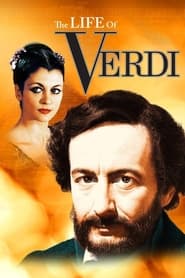 VerdiDrama · History · Music | — | — | — | — | 81 | ||||
| 1946 | 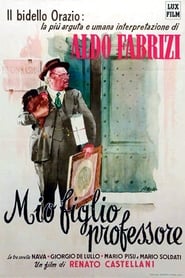 Professor, My SonComedy · Drama | — | — | — | — | 76 | ||||
| 1961 | 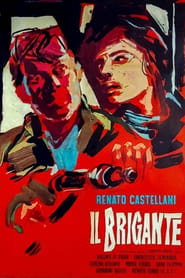 The BrigandDrama | — | — | — | — | 72 | ||||
| 1959 | 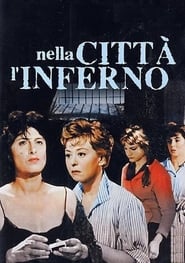 Hell in the CityDrama | — | — | — | — | 72 | ||||
| 1952 | 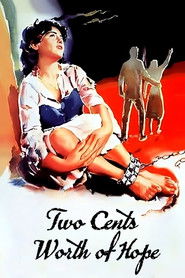 Two Cents Worth of HopeComedy · Romance | — | — | — | — | 70 | ||||
| 1942 | 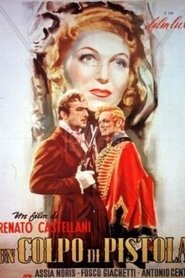 A Pistol ShotDrama | — | — | — | — | 70 | ||||
| 1969 | 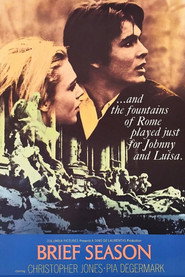 A Brief SeasonDrama · Romance | — | — | — | — | 69 | ||||
| 1948 |  Under the Sun of RomeComedy · Drama | — | — | — | — | 69 | ||||
| 1957 | 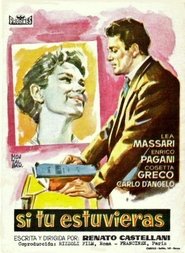 I sogni nel cassettoDrama | — | — | — | — | 68 | ||||
| 1964 | 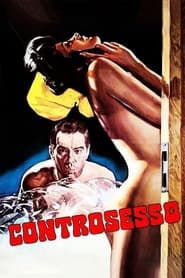 ControsessoComedy | — | — | — | — | 66 | ||||
| 1954 | 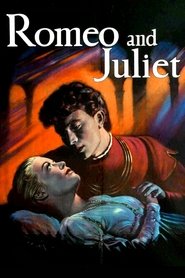 Romeo and JulietDrama · Romance | — | — | 80% | — | 60 | ||||
| 1944 | 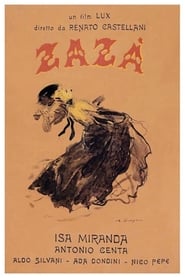 ZazàDrama | — | — | — | — | 66 | ||||
| 1950 | 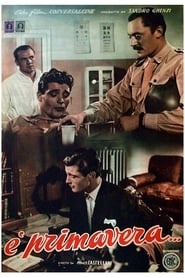 It's Forever SpringtimeComedy | — | — | — | — | 64 | ||||
| 1964 | 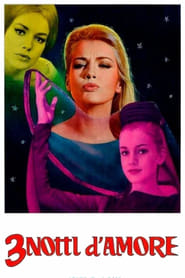 Three Nights of LoveComedy · Drama | — | — | — | — | 62 | ||||
| 1944 | 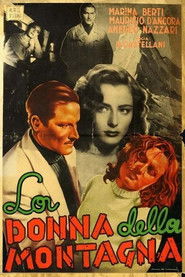 Woman of the MountainsDrama · Romance | — | — | — | — | 62 | ||||
| 1963 | 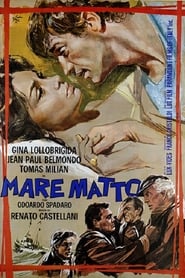 Crazy SeaComedy | — | — | — | — | 60 | ||||
| 1967 | 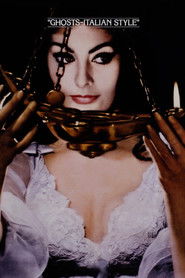 Ghosts, Italian StyleComedy · Fantasy | — | — | — | — | 55 |
How we measure: Only released feature films (40+ minutes) are counted — video box sets, compilations, shorts, documentaries, and upcoming releases are excluded unless award-recognized. Box office is the domestic (US & Canada) theatrical gross, and PACINO always adjusts it to 2026 dollars using historical US Bureau of Labor Statistics CPI-U annual averages (1913–2026) so stars from every era compete on equal footing. Overseas earnings are not counted, which can undersell stars whose biggest hits played mainly abroad. Reception blends critics (75% Metacritic, 25% Rotten Tomatoes, with RT-only films calibrated to that same blend) 50/50 with fans (IMDb user ratings). Click any film's PACINO score for its full breakdown. Figures come from public sources and can be incomplete, especially for older, foreign and smaller releases.