
Directors · CAPRA Dossier
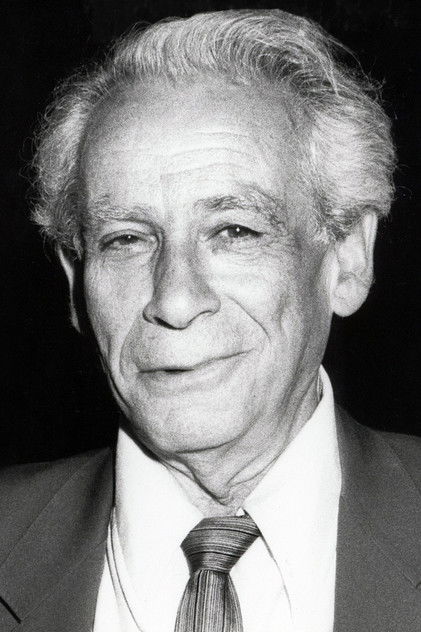
Samuel Fuller
1949–1990 · 23 scored directed films · Worcester, Massachusetts, USA
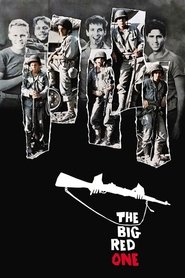
Samuel Michael Fuller (August 12, 1912 – October 30, 1997) was an American screenwriter, novelist and film director known for low-budget genre movies with controversial themes. He was born Samuel Michael Fuller in Worcester, Massachusetts, the son of Benjamin Rabinovitch, a Jewish immigrant from Russia, and Rebecca Baum, a Jewish immigrant from Poland. After immigrating to America, the family's surname was changed from Rabinovitch to "Fuller" possibly by inspiration of a Doctor who arrived in America on the Mayflower. At the age of 12, he began working in journalism as a newspaper copyboy. He became a crime reporter in New York City at age 17, working for the New York Evening Graphic. He broke the story of Jeanne Eagels' death. He wrote pulp novels and screenplays from the mid-1930s onwards. Fuller also became a screenplay ghostwriter but would never tell interviewers which screenplays that he ghost-wrote explaining "that's what a ghost writer is for". During World War II, Fuller joined the United States Army infantry. He was assigned to the 16th Infantry Regiment, 1st Infantry Division, and saw heavy fighting. He was involved in landings in Africa, Sicily, and Normandy and also saw action in Belgium and Czechoslovakia. In 1945 he was present at the liberation of the German concentration camp at Falkenau and shot 16 mm footage which was used later in the documentary Falkenau: The Impossible. For his service, he was awarded the Bronze Star, the Silver Star, and the Purple Heart. Fuller used his wartime experiences as material in his films, especially in The Big Red One (1980), a nickname of the 1st Infantry Division. After his controversial film "White Dog" was shelved by Paramount pictures, Fuller moved to France, and never directed another American film. Fuller eventually returned to America. He died of natural causes in his California home. In November 1997, the Directors Guild held a three hour memorial in his honor, hosted by Curtis Hanson, his long time friend and co-writer on White Dog. He was survived by his wife Christa and daughter Samantha.
Directing Filmography (23 of 23 counted)





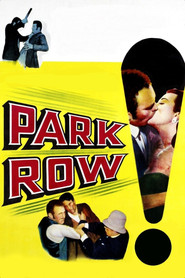

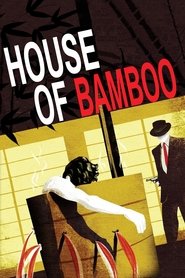
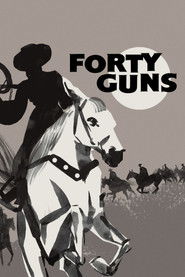

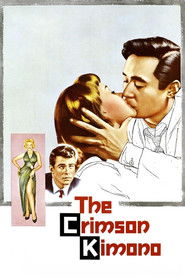

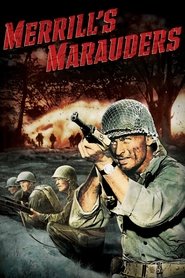
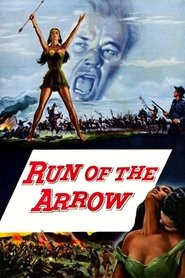

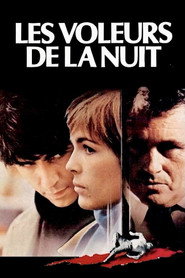
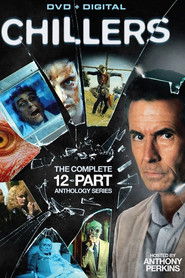
How we measure: Only released feature films (40+ minutes) are counted — video box sets, compilations, shorts, documentaries, and upcoming releases are excluded unless award-recognized. Box office is the domestic (US & Canada) theatrical gross, and PACINO always adjusts it to 2026 dollars using historical US Bureau of Labor Statistics CPI-U annual averages (1913–2026) so stars from every era compete on equal footing. Overseas earnings are not counted, which can undersell stars whose biggest hits played mainly abroad. Reception blends critics (75% Metacritic, 25% Rotten Tomatoes, with RT-only films calibrated to that same blend) 50/50 with fans (IMDb user ratings). Click any film's PACINO score for its full breakdown. Figures come from public sources and can be incomplete, especially for older, foreign and smaller releases.