
Directors · CAPRA Dossier

Satyajit Ray
1955–1991 · 29 scored directed films · Calcutta, Bengal Presidency, British India [now India]
Satyajit Ray (2 May 1921 – 23 April 1992) was a Bengali Indian filmmaker, widely regarded as one of the greatest filmmakers of the 20th century. Ray was born in the city of Calcutta into a Bengali family prominent in the world of arts and literature. Starting his career as a commercial artist, Ray was drawn into independent filmmaking after meeting French filmmaker Jean Renoir and viewing Vittorio De Sica's Italian neorealist film Bicycle Thieves (1948) during a visit to London. Ray directed 36 films, including feature films, documentaries and shorts. He was also a fiction writer, publisher, illustrator, calligrapher, music composer, graphic designer and film critic. He authored several short stories and novels, primarily aimed at children and adolescents. Feluda, the sleuth, and Professor Shonku, the scientist in his science fiction stories, are popular fictional characters created by him. He was awarded an honorary degree by Oxford University. Ray's first film, Pather Panchali (1955), won eleven international prizes, including the inaugural Best Human Document award at the 1956 Cannes Film Festival. This film, along with Aparajito (1956), and Apur Sansar (The World of Apu) (1959) form The Apu Trilogy. Ray did the scripting, casting, scoring, and editing, and designed his own credit titles and publicity material. Ray received many major awards in his career, including 32 Indian National Film Awards, a number of awards at international film festivals and award ceremonies, and an Academy Honorary Award in 1992. The Government of India honored him with the Bharat Ratna in 1992.
Directing Filmography (29 of 29 counted)

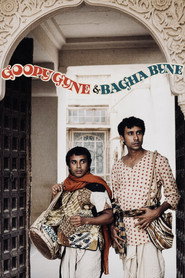
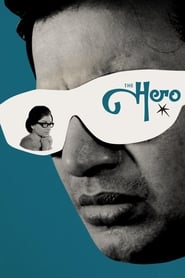

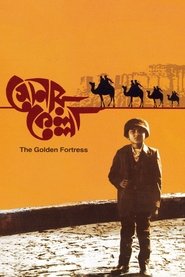



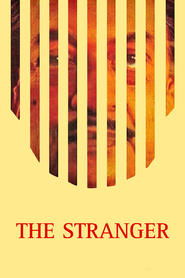
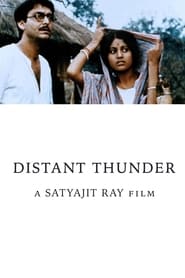
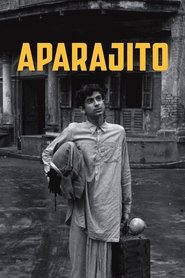



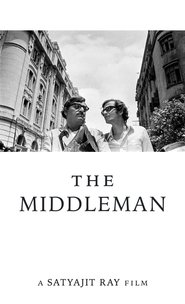

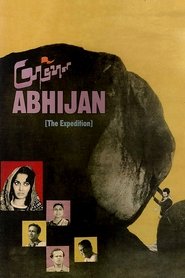

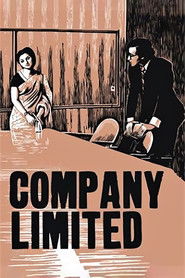

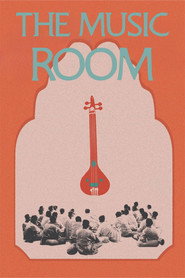

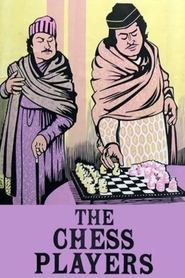


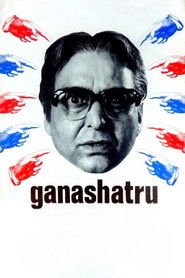
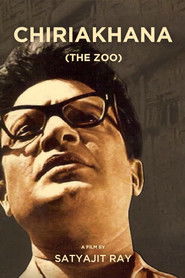

How we measure: Only released feature films (40+ minutes) are counted — video box sets, compilations, shorts, documentaries, and upcoming releases are excluded unless award-recognized. Box office is the domestic (US & Canada) theatrical gross, and PACINO always adjusts it to 2026 dollars using historical US Bureau of Labor Statistics CPI-U annual averages (1913–2026) so stars from every era compete on equal footing. Overseas earnings are not counted, which can undersell stars whose biggest hits played mainly abroad. Reception blends critics (75% Metacritic, 25% Rotten Tomatoes, with RT-only films calibrated to that same blend) 50/50 with fans (IMDb user ratings). Click any film's PACINO score for its full breakdown. Figures come from public sources and can be incomplete, especially for older, foreign and smaller releases.