
Directors · CAPRA Dossier

Shirley Clarke
1962–1964 · 2 scored directed films · New York City, New York, USA
A major figure of the American avant garde, Shirley Brimberg Clarke (1919-1997) was born into privilege as the daughter of Polish-Jewish immigrants who made their fortune in manufacturing. Rebelling against a repressive bourgeois upbringing, Clarke turned first to dance, and later film and video, to express her distinctive vision of the world. Moving freely across genres and media throughout her career (and often within a single work), Clarke’s cinema explores the porous boundaries between narrative and documentary filmmaking, and film and other media, such as painting, dance, performance and video. Her 1960s features The Connection (1961), The Cool World (1963) and Portrait of Jason (1967), for which she is arguably best remembered, address issues of urban alienation, poverty, addiction and racism, focusing on lives lived at the margins of American society. Fearless in both her personal and creative life, Clarke produced a body of work that is as formally innovative as it is rooted in social protest. Clarke initially trained as a dancer, immersing herself in New York’s vibrant post-war avant-garde dance scene. Although her dance career never quite earned her the critical acclaim she’d hoped for, it had a lasting impact on her subsequent filmmaking and video work, informing an interest in how movement is recorded formally, while introducing her to key avant-garde dancers and choreographers. Source: https://denniscooperblog.com/shirley-clarke-day-2/
Directing Filmography (2 of 2 counted)
| Count | Film | Awards | ||||||||
|---|---|---|---|---|---|---|---|---|---|---|
| 1962 |  The ConnectionDrama | — | — | 95% | — | 70 | ||||
| 1964 | 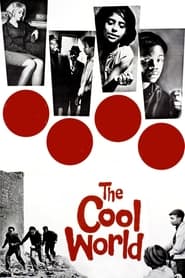 The Cool WorldCrime · Drama | — | — | 80% | — | 65 |
How we measure: Only released feature films (40+ minutes) are counted — video box sets, compilations, shorts, documentaries, and upcoming releases are excluded unless award-recognized. Box office is the domestic (US & Canada) theatrical gross, and PACINO always adjusts it to 2026 dollars using historical US Bureau of Labor Statistics CPI-U annual averages (1913–2026) so stars from every era compete on equal footing. Overseas earnings are not counted, which can undersell stars whose biggest hits played mainly abroad. Reception blends critics (75% Metacritic, 25% Rotten Tomatoes, with RT-only films calibrated to that same blend) 50/50 with fans (IMDb user ratings). Click any film's PACINO score for its full breakdown. Figures come from public sources and can be incomplete, especially for older, foreign and smaller releases.