
Directors · CAPRA Dossier
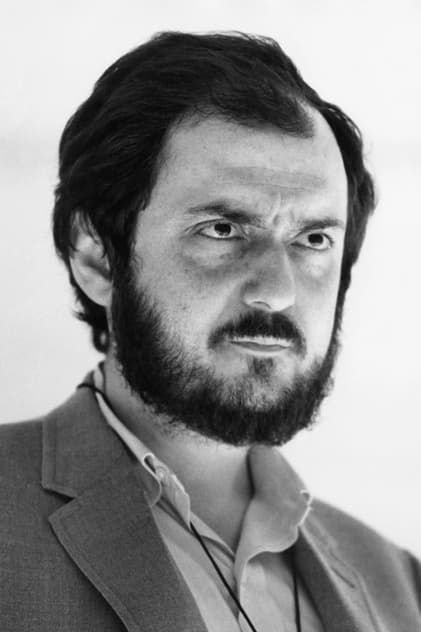
Stanley Kubrick
1953–1999 · 13 scored directed films · Manhattan, New York City, New York, USA
Stanley Kubrick (July 26, 1928 – March 7, 1999) was an American film director, writer, producer, and photographer who lived in England during most of the last four decades of his career. Kubrick was noted for the scrupulous care with which he chose his subjects, his slow method of working, the variety of genres he worked in, his technical perfectionism, and his reclusiveness about his films and personal life. He maintained almost complete artistic control, making movies according to his own whims and time constraints, but with the rare advantage of big-studio financial support for all his endeavors. Kubrick's films are characterized by a formal visual style and meticulous attention to detail—his later films often have elements of surrealism and expressionism that eschews structured linear narrative. His films are repeatedly described as slow and methodical, and are often perceived as a reflection of his obsessive and perfectionist nature. A recurring theme in his films is man's inhumanity to man. While often viewed as expressing an ironic pessimism, a few critics feel his films contain a cautious optimism when viewed more carefully. The film that first brought him attention to many critics was Paths of Glory (1957), the first of three films of his about the dehumanizing effects of war. Many of his films at first got a lukewarm reception, only to be years later acclaimed as masterpieces that had a seminal influence on many later generations of film-makers. Considered especially groundbreaking was 2001: A Space Odyssey (1968) noted for being both one of the most scientifically realistic and visually innovative science-fiction films ever made while maintaining an enigmatic non-linear storyline. He voluntarily withdrew his film A Clockwork Orange (1971) from England, after it was accused of inspiring copycat crimes which in turn resulted in threats against Kubrick's family. His films were largely successful at the box-office, although Barry Lyndon (1975) performed poorly in the United States. Living authors Anthony Burgess and Stephen King were both unhappy with Kubrick's adaptations of their novels A Clockwork Orange and The Shining (1980) respectively, and both authors were engaged with subsequent adaptations. All of Kubrick's films from the mid-1950s to his death except for The Shining were nominated for Oscars, Golden Globes, or BAFTAs. Although he was nominated for an Academy Award as a screenwriter and director on several occasions, his only personal win was for the special effects in 2001: A Space Odyssey. Even though all of his films, apart from the first two, were adapted from novels or short stories, his works have been described by Jason Ankeny and others as "original and visionary". Although some critics, notably Andrew Sarris and Pauline Kael, frequently disparaged Kubrick's work, Ankeny describes Kubrick as one of the most "universally acclaimed and influential directors of the postwar era" with a "standing unique among the filmmakers of his day."
Directing Filmography (13 of 13 counted)
| Count | Film | Awards | ||||||||
|---|---|---|---|---|---|---|---|---|---|---|
| 1968 | 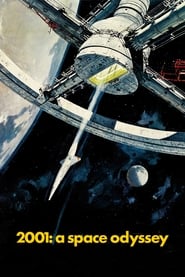 2001: A Space OdysseySci-Fi · Mystery · Adventure | 🏆Dir. OscarNom🎥DGANom | $510M | 91% | 84 | 83 | ||||
| 1971 | 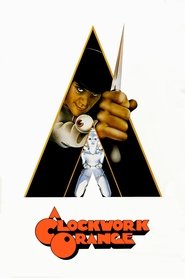 A Clockwork OrangeSci-Fi · Crime | 🏆Dir. OscarNom🎬Best PictureNom🌐Golden GlobeNom🎭BAFTANom🎥DGANom | $219M | — | 77 | 82 | ||||
| 1975 | 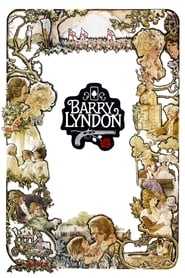 Barry LyndonDrama · History | 🏆Dir. OscarNom🎬Best PictureNom🌐Golden GlobeNom🎭BAFTAWin🎥DGANom | — | 77% | 89 | 81 | ||||
| 1964 |  Dr. Strangelove or: How I Learned to Stop Worrying and Love the BombComedy · War | 🏆Dir. OscarNom🎬Best PictureNom🎥DGANom | $101M | 97% | 97 | 83 | ||||
| 1980 | 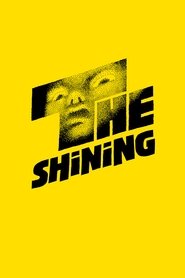 The ShiningHorror · Thriller | 🍓RazzieNom | $191M | 75% | 68 | 84 | ||||
| 1987 |  Full Metal JacketDrama · War | — | $136M | — | 78 | 82 | ||||
| 1962 |  LolitaDrama · Comedy · Romance | 🌐Golden GlobeNom🎥DGANom | — | 83% | 79 | 75 | ||||
| 1960 | 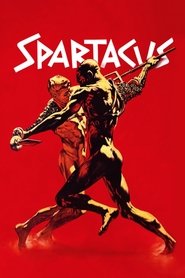 SpartacusHistory · Drama · Adventure | 🌐Golden GlobeNom | $20M | 90% | 87 | 79 | ||||
| 1957 |  Paths of GloryWar · Drama | — | — | 96% | 90 | 84 | ||||
| 1956 | 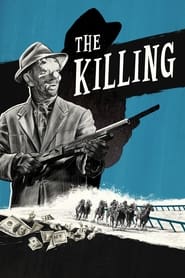 The KillingCrime · Thriller · Drama | — | — | — | 91 | 79 | ||||
| 1999 | 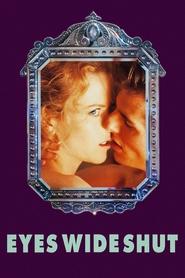 Eyes Wide ShutDrama · Thriller · Mystery | — | $111M | 77% | 69 | 75 | ||||
| 1955 |  Killer's KissThriller · Crime · Drama | — | — | — | — | 65 | ||||
| 1953 |  Fear and DesireDrama · War | — | — | — | — | 53 |
How we measure: Only released feature films (40+ minutes) are counted — video box sets, compilations, shorts, documentaries, and upcoming releases are excluded unless award-recognized. Box office is the domestic (US & Canada) theatrical gross, and PACINO always adjusts it to 2026 dollars using historical US Bureau of Labor Statistics CPI-U annual averages (1913–2026) so stars from every era compete on equal footing. Overseas earnings are not counted, which can undersell stars whose biggest hits played mainly abroad. Reception blends critics (75% Metacritic, 25% Rotten Tomatoes, with RT-only films calibrated to that same blend) 50/50 with fans (IMDb user ratings). Click any film's PACINO score for its full breakdown. Figures come from public sources and can be incomplete, especially for older, foreign and smaller releases.