
Directors · CAPRA Dossier

Tom Gries
1954–1977 · 12 scored directed films · Chicago, Illinois, USA
From Wikipedia, the free encyclopedia. Thomas S. "Tom" Gries (20 December 1922; Chicago, Illinois – 3 January 1977; Pacific Palisades, California) was an American TV and film director, writer and producer. Educated at the Loyola Academy and Georgetown University, Gries began working in TV in the 1950s as a writer and director, on such programmes as Bronco,"Rat Patrol", Wanted: Dead or Alive, The Westerner, The Rifleman, East Side/West Side, Mission: Impossible, Route 66, Batman and I Spy. He won Emmy Awards for his direction on East Side/West Side in 1964 and The Glass House in 1972. In the cinema, Gries directed some low-budget movies in the 1950s before concentrating his efforts more on TV. In the late 1960s, he wrote and directed what is generally acknowledged to be his greatest work in either medium, the western Will Penny, which starred Charlton Heston and was released in 1968. It was based on an episode of the TV series The Westerner that Gries wrote and directed in 1960, entitled "Line Camp". Gries subsequently made two other films with Heston, the much less successful Number One, and The Hawaiians, and directed several other films with other high profile actors such as Burt Reynolds and Charles Bronson into the 1970s, though they failed to reach the critical approval that Will Penny received. The most successful of his later works was Helter Skelter, made in 1976, which was a TV film based on the notorious Charles Manson Family. During post-production on his final film, The Greatest (1977), a biography on boxer Muhammed Ali (in which Ali also played himself), Tom Gries collapsed and died of a heart attack while playing tennis. He was 54 years old. He is the father of actor/director Jon Gries (who appeared under the name Jon Francis in Will Penny as a child actor). Description above from the Wikipedia article Tom Gries, licensed under CC-BY-SA, full list of contributors on Wikipedia.
Directing Filmography (12 of 12 counted)
| Count | Film | Awards | ||||||||
|---|---|---|---|---|---|---|---|---|---|---|
| 1967 |  Will PennyWestern · Romance | — | — | 93% | — | 70 | ||||
| 1972 | 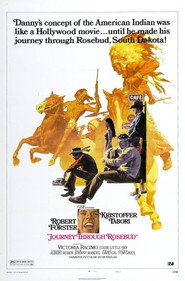 Journey Through RosebudDrama | — | — | — | — | 66 | ||||
| 1975 | 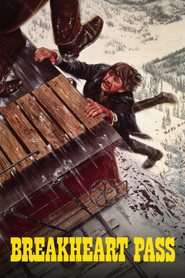 Breakheart PassThriller · Western · Mystery | — | — | 68% | — | 67 | ||||
| 1970 |  The HawaiiansDrama · Adventure | — | $3M | — | — | 61 | ||||
| 1969 | 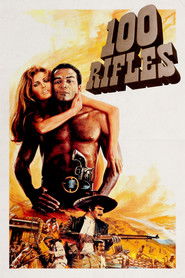 100 RiflesAdventure · Western · War | — | — | — | — | 60 | ||||
| 1975 | 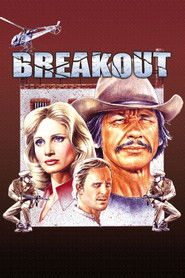 BreakoutAction · Adventure · Thriller | — | — | 64% | 44 | 61 | ||||
| 1969 |  Number OneDrama | — | — | — | — | 55 | ||||
| 1955 |  Hell's HorizonAction · Drama · Romance | — | — | — | — | 52 | ||||
| 1970 |  FoolsDrama | — | $4M | — | — | 51 | ||||
| 1977 |  The GreatestDrama | — | $46M | 20% | — | 59 | ||||
| 1973 |  Lady IceDrama · Crime · Thriller | — | — | — | — | 48 | ||||
| 1954 |  Serpent IslandAdventure · Horror | — | — | — | — | 33 |
How we measure: Only released feature films (40+ minutes) are counted — video box sets, compilations, shorts, documentaries, and upcoming releases are excluded unless award-recognized. Box office is the domestic (US & Canada) theatrical gross, and PACINO always adjusts it to 2026 dollars using historical US Bureau of Labor Statistics CPI-U annual averages (1913–2026) so stars from every era compete on equal footing. Overseas earnings are not counted, which can undersell stars whose biggest hits played mainly abroad. Reception blends critics (75% Metacritic, 25% Rotten Tomatoes, with RT-only films calibrated to that same blend) 50/50 with fans (IMDb user ratings). Click any film's PACINO score for its full breakdown. Figures come from public sources and can be incomplete, especially for older, foreign and smaller releases.