
Directors · CAPRA Dossier
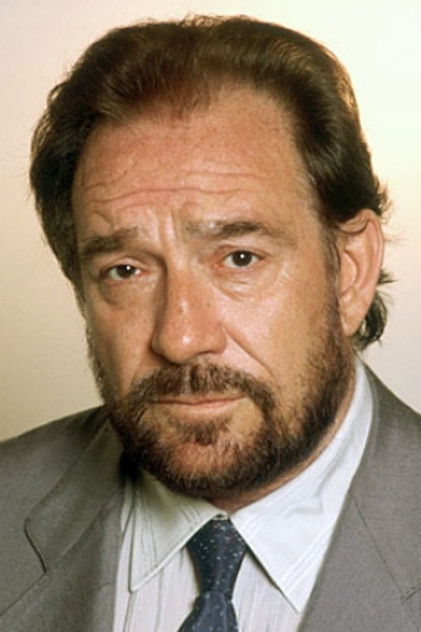
Ugo Tognazzi
1961–1979 · 5 scored directed films · Cremona, Lombardy, Italy
Ottavio "Ugo" Tognazzi (23 March 1922 – 27 October 1990) was an Italian actor, director, and screenwriter. He is considered one of the most important faces of Italian comedy together with Vittorio Gassman, Nino Manfredi, Marcello Mastroianni, and Alberto Sordi. Tognazzi was born in Cremona, in northern Italy but spent his youth in various localities as his father was a travelling clerk for an insurance company. After his return to his native city in 1936, he worked in a cured meats production plant where he achieved the position of accountant. During World War II, he was inducted into the Army and returned home after the Armistice of 8 September 1943, and joined the Black Brigades for a while. His passion for theater and acting dates from his early years, and also during the conflict he organized shows for his fellow soldiers. In 1945, he moved to Milan, where he was enrolled in the theatrical company led by Wanda Osiris. A few years later, he formed his own successful musical revue company. In 1950, Tognazzi made his cinematic debut in The Cadets of Gascony directed by Mario Mattoli. The following year, he met Raimondo Vianello, with whom he formed a successful comedy duo for the new-born RAI TV (1954–1960). Their shows, sometimes containing satirical material, were among the first to be censored on Italian television. After the successful role in The Fascist (Il Federale) (1961), directed by Luciano Salce, Tognazzi became one of the most renowned characters of the so-called Commedia all'Italiana (Italian comedy style). He worked with all the main directors of Italian cinema, including Mario Monicelli (My Friends), Marco Ferreri (La Grande Bouffe), Carlo Lizzani (La vita agra), Dino Risi, Pier Paolo Pasolini (Pigsty), Ettore Scola, Alberto Lattuada, Nanni Loy, Pupi Avati and others. Tognazzi also directed some of his films, including the 1967 film The Seventh Floor. The film was entered into the 17th Berlin International Film Festival. He was a well-known actor in Italy, and starred in several important international films, which brought him fame in other parts of the world. Roger Vadim cast Tognazzi as Mark Hand, the Catchman, in Barbarella (1968). He rescues Barbarella (Jane Fonda) from the biting dolls she encounters, and after her rescue, he requests payment by asking her to make love with him (the "old-fashioned" way, not the psycho-cardiopathic way of their future). In 1981, he won the Best Male Actor Award at the Cannes Film Festival for Tragedy of a Ridiculous Man, directed by Bernardo Bertolucci. While he worked primarily in Italian cinema, Tognazzi is perhaps best remembered for his role as Renato Baldi, the gay owner of a St. Tropez nightclub, in the 1978 French comedy La Cage aux Folles which became the highest grossing foreign film ever released in the U.S. Tognazzi had various relationships during his life, being married to actresses Margarete Robsahm and later Franca Bettoia. He had four children from three different women: his sons Ricky Tognazzi (b. 1955) and Gianmarco Tognazzi (b. 1967) are actors; another son, Thomas Robsahm (b. 1964), is a Norwegian film director and producer; his daughter, Maria Sole Tognazzi (b. 1971), is also a film director. ... Source: Article "Ugo Tognazzi" from Wikipedia in English, licensed under CC-BY-SA.
Directing Filmography (5 of 5 counted)
| Count | Film | Awards | ||||||||
|---|---|---|---|---|---|---|---|---|---|---|
| 1979 | 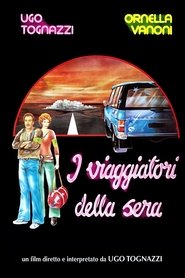 I viaggiatori della seraSci-Fi · Drama | — | — | — | — | 66 | ||||
| 1967 |  The Seventh FloorComedy | — | — | — | — | 66 | ||||
| 1961 |  His WomenComedy | — | — | — | — | 62 | ||||
| 1968 | 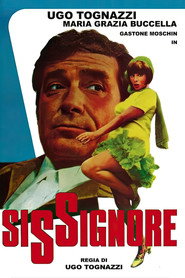 Dismissed on His Wedding NightComedy | — | — | — | — | 61 | ||||
| 1976 | 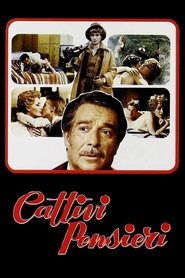 Evil ThoughtsComedy | — | — | — | — | 54 |
How we measure: Only released feature films (40+ minutes) are counted — video box sets, compilations, shorts, documentaries, and upcoming releases are excluded unless award-recognized. Box office is the domestic (US & Canada) theatrical gross, and PACINO always adjusts it to 2026 dollars using historical US Bureau of Labor Statistics CPI-U annual averages (1913–2026) so stars from every era compete on equal footing. Overseas earnings are not counted, which can undersell stars whose biggest hits played mainly abroad. Reception blends critics (75% Metacritic, 25% Rotten Tomatoes, with RT-only films calibrated to that same blend) 50/50 with fans (IMDb user ratings). Click any film's PACINO score for its full breakdown. Figures come from public sources and can be incomplete, especially for older, foreign and smaller releases.