
Directors · CAPRA Dossier

Youssef Chahine
1950–2007 · 38 scored directed films · Alexandria, Egypt
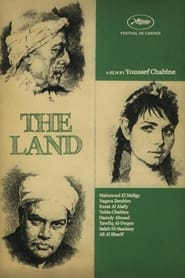
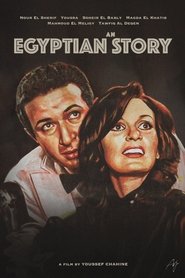
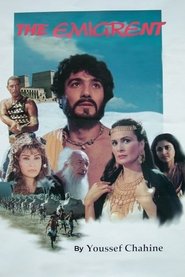
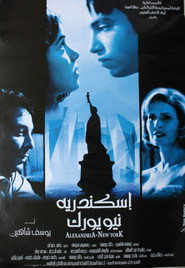
Youssef Chahine (born in Alexandria, Egypt, 1926) started studying in a friars' school and then turned to Victoria College until High School Certificate. After one year at the University of Alexandria, he moved to the U.S. and spent two years at the Pasadena Play House, taking courses on film and dramatic arts. After coming back to Egypt, cinematographer Alevise Orfanelli helped him into the film business. His film debut was Baba Amin (1950): one year later, with Son of the Nile (1951) he was first invited to the Cannes Film festival. In 1970, he was awarded a Golden Tanit at the Carthage Festival. With Le moineau (1973), he directed the first Egypt-Algeria co-production. He won a Silver Bear in Berlin for Alexandria... Why? (1979), the first installment in what proved to be an autobiographic trilogy, completed with Hadduta Masriya (1982)(An Egyptian Story (1982)) and Alexandria: Again and Forever (1989). In 1992, Jacques Lassalle proposed him to stage a piece of his choice for Comédie Française: Chahine chose to adapt Albert Camus' "Caligula," which proved hugely successful. The same year he started writing The Emigrant (1994), a story inspired by the Biblical character of Joseph, son of Jacob. This had long been a dream project, and he finally got to shoot it in 1994. In 1997, 46 years and 5 invitations later, he was again selected Hors Competition in Cannes with Destiny (1997).
Directing Filmography (38 of 38 counted)






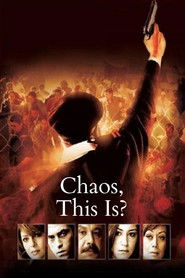



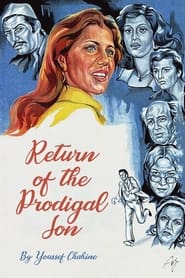

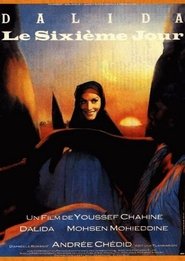



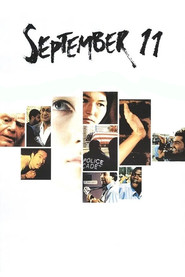













How we measure: Only released feature films (40+ minutes) are counted — video box sets, compilations, shorts, documentaries, and upcoming releases are excluded unless award-recognized. Box office is the domestic (US & Canada) theatrical gross, and PACINO always adjusts it to 2026 dollars using historical US Bureau of Labor Statistics CPI-U annual averages (1913–2026) so stars from every era compete on equal footing. Overseas earnings are not counted, which can undersell stars whose biggest hits played mainly abroad. Reception blends critics (75% Metacritic, 25% Rotten Tomatoes, with RT-only films calibrated to that same blend) 50/50 with fans (IMDb user ratings). Click any film's PACINO score for its full breakdown. Figures come from public sources and can be incomplete, especially for older, foreign and smaller releases.