
Biography
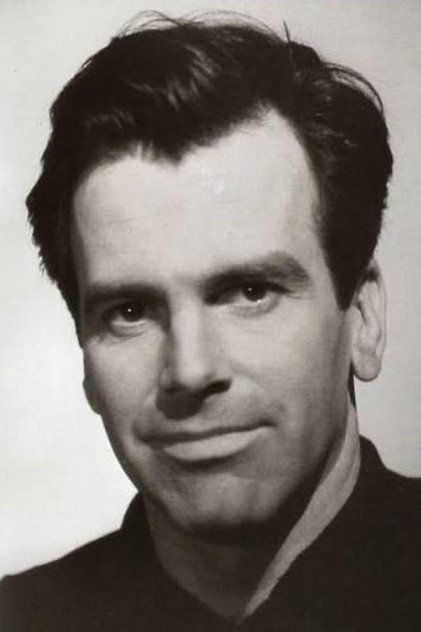
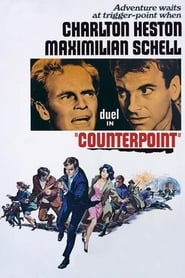
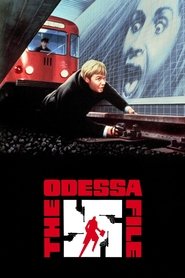
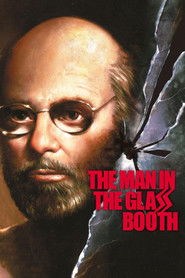
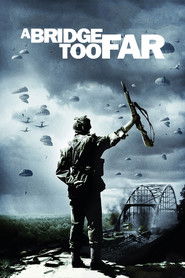
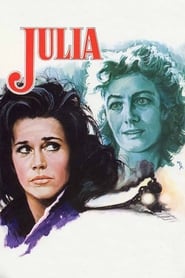
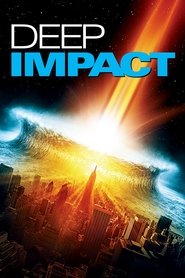
Maximilian Schell (8 December 1930 – 1 February 2014) was a Swiss actor. Born in Austria, his parents were involved in the arts and he grew up surrounded by performance and literature. While he was still a child, his family fled to Switzerland in 1938 when Austria was annexed by Nazi Germany, and they settled in Zürich. After World War II ended, Schell took up acting and directing full-time. Schell won the Academy Award for Best Actor for playing a lawyer in the legal drama Judgment at Nuremberg (1961). He was Oscar-nominated for playing a character with multiple identities in The Man in the Glass Booth (1975) and for playing a man resisting Nazism in Julia (1977). Fluent in both English and German, Schell earned top billing in a number of Nazi-era themed films. He acted in films such as Topkapi (1964), The Deadly Affair (1967), Counterpoint (1968), Simón Bolívar (1969), The Odessa File (1974), A Bridge Too Far (1977), and Deep Impact (1998). On television, he received two Primetime Emmy Award nominations for the NBC film Miss Rose White and the HBO television film Stalin (1992), the later of which earned him the Golden Globe Award for Best Supporting Actor – Series, Miniseries or Television Film. He also portrayed Otto Frank in the TV film The Diary of Anne Frank (1980), the Russian emperor Peter the Great in the NBC series Peter the Great (1986), Frederick the Great in the British series Young Catherine (1991), and Brother Jean le Maistre in the miniseries Joan of Arc (1999). Schell also performed in a number of stage plays, including a celebrated performance as Prince Hamlet. Schell was an accomplished pianist and conductor, performing with Claudio Abbado and Leonard Bernstein, and with orchestras in Berlin and Vienna. His elder sister was the internationally noted actress Maria Schell; he produced the documentary tribute My Sister Maria in 2002. Description above from the Wikipedia article Maximilian Schell, licensed under CC-BY-SA, full list of contributors on Wikipedia.
Trophy Case
Show all 6 award citations
- 1961NomBAFTA Award for Best Actor in a Leading Role — Judgment at Nuremberg
- 1961WONGolden Globe Award for Best Actor – Motion Picture Drama — Judgment at Nuremberg
- 1962WONAcademy Award for Best Actor — Judgment at Nuremberg
- 1975NomGolden Globe Award for Best Actor – Motion Picture Drama — The Man in the Glass Booth
- 1976NomAcademy Award for Best Actor — The Man in the Glass Booth
- 1978NomAcademy Award for Best Supporting Actor — Julia
Game Log
Count | Film | Character | Awards | |||||||||
|---|---|---|---|---|---|---|---|---|---|---|---|---|
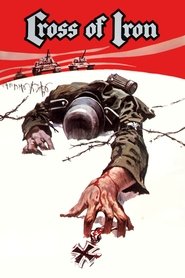
| 1958 | Capt. Hardenberg | #7 billed | — | 75% | MC ↗ | 71 | 0.3 | 0.3 | — | |||
| 1961 | Hans Rolfe | #3 billed | — | 93% | 60 | 83 | 1.0 | 7.2 | OscarBAFTA nomGG | |||
| 1962 | Giuseppe | #1 billed | — | RT ↗ | MC ↗ | 73 | 0.9 | 0.0 | — | |||
| 1962 | Franz von Gerlach | #2 billed | $2M | RT ↗ | MC ↗ | 68 | 0.8 | 0.0 | — | |||
| 1964 | Walter Harper | #3 billed | $7M | 95% | MC ↗ | 69 | 0.8 | 0.8 | — | |||
| 1965 | Stanislaw Pilgrin | #1 billed | — | RT ↗ | MC ↗ | 69 | 0.8 | 0.0 | — | |||
| 1967 | Dieter Frey | #3 billed | — | RT ↗ | MC ↗ | 67 | 0.5 | 0.0 | — | |||
| 1967 | Gen. Schiller | #2 billed | — | RT ↗ | MC ↗ | 64 | 0.5 | 0.0 | — | |||
| 1969 | Captain Chris Hanson | #1 billed | $2M | 0% | MC ↗ | 55 | 0.3 | -1.2 | — | |||
| 1972 | Adrian | #5 billed | — | RT ↗ | MC ↗ | 55 | 0.1 | 0.0 | — | |||
| 1974 | Eduard Roschmann | #2 billed | $1M | 69% | MC ↗ | 70 | 0.8 | 0.4 | — | |||
| 1975 | Arthur Goldman | #1 billed | — | 83% | MC ↗ | 70 | 0.8 | 3.1 | Oscar nomGG nom | |||
| 1975 | Robert Schmied on Audiotape (voice) (uncredited) | #21 billed | — | 43% | MC ↗ | 59 | 0.1 | 0.0 | — | |||
| 1976 | Dr. John Constable | #4 billed | — | 36% | MC ↗ | 62 | 0.3 | -0.2 | — | |||
| 1977 | Hauptmann Stransky | #2 billed | — | 71% | 64 | 74 | 0.9 | 0.5 | — | |||
| 1977 | General der Waffen-SS Wilhelm Bittrich | #13 billed | $51M | 61% | 63 | 74 | 0.3 | 0.1 | — | |||
| 1977 | Johann | #4 billed | $21M | 73% | 58 | 71 | 0.8 | 1.5 | Oscar nom | |||
| 1979 | Colonel Nikolai Bunin | #4 billed | — | 20% | MC ↗ | 49 | 0.0 | -0.4 | — | |||
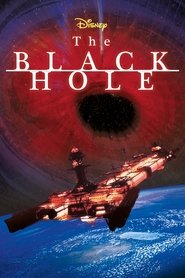
| 1979 | Dr. Hans Reinhardt | #1 billed | $36M | 44% | 52 | 59 | 1.1 | 0.0 | — | |||
| 1981 | Professor David Malter | #3 billed | — | 79% | 66 | 72 | 0.7 | 0.5 | — | |||
| 1985 | Col. Müller | #4 billed | — | RT ↗ | MC ↗ | 61 | 0.3 | 0.0 | — | |||
| 1990 | Larry London | #10 billed | $22M | 94% | 78 | 65 | 0.1 | 0.2 | — | |||
| 1993 | Col. Mopani Theron | #8 billed | $13M | 42% | MC ↗ | 65 | 0.3 | -0.1 | — | |||
| 1994 | Arkady Shapira | #7 billed | $1M | 57% | 64 | 67 | 0.3 | 0.2 | — | |||
| 1996 | Cardinal Vittorio | #20 billed | — | RT ↗ | MC ↗ | 62 | 0.1 | 0.0 | — | |||
| 1997 | Father Simeon | #3 billed | — | RT ↗ | MC ↗ | 48 | -0.1 | 0.0 | — | |||
| 1997 | Dr. Istvan Jonas | #3 billed | $0.3M | 67% | 65 | 62 | 0.4 | 0.4 | — | |||
| 1998 | Jason Lerner | #6 billed | $141M | 45% | 40 | 63 | 0.8 | -0.1 | — | |||
| 1998 | Cardinal Alba | #5 billed | $20M | 43% | 42 | 61 | 0.4 | -0.2 | — | |||
| 1998 | Mr. Silberschmidt | #7 billed | $1M | 46% | 51 | 73 | 0.4 | 0.0 | — | |||
| 2001 | Viktor Kovner | #3 billed | $0.3M | 65% | 46 | 60 | 0.3 | 0.0 | — | |||
| 2002 | Karl Steingraf | #3 billed | — | RT ↗ | MC ↗ | 50 | 0.0 | 0.0 | — | |||
| 2003 | Xaver Schönborn | #2 billed | — | RT ↗ | MC ↗ | 25 | -0.9 | 0.0 | — | |||
| 2004 | Fernando Hereira | #3 billed | — | RT ↗ | MC ↗ | 64 | 0.4 | 0.0 | — | |||
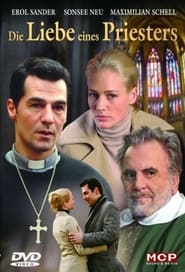
| 2005 | Father Christoph | #2 billed | — | RT ↗ | MC ↗ | 31 | -0.7 | 0.0 | — | |||
| 2006 | Kogi | #3 billed | — | 28% | 21 | 52 | 0.1 | -0.7 | — | |||
| 2006 | Dr. Alexander Ohlendorf | #4 billed | — | RT ↗ | MC ↗ | 31 | -0.5 | 0.0 | — | |||
| 2007 | Lawrence Sterne | #2 billed | — | RT ↗ | MC ↗ | 69 | 0.7 | 0.0 | — | |||
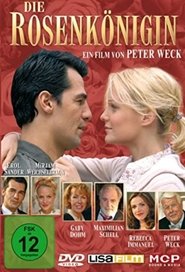
| 2007 | Karl Friedrich Weidemann | #1 billed | — | RT ↗ | MC ↗ | 46 | -0.2 | 0.0 | — | |||
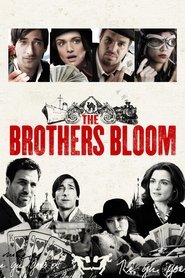
| 2009 | Diamond Dog | #6 billed | $4M | 68% | 55 | 67 | 0.3 | 0.1 | — | |||
| 2015 | Mr. Escher | #4 billed | — | RT ↗ | MC ↗ | 49 | 0.0 | 0.0 | — |











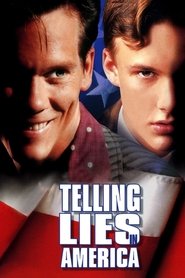
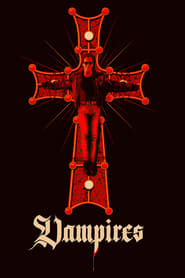
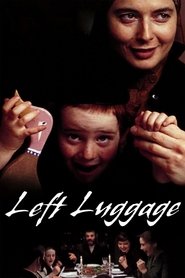




How we measure: Only released feature films (40+ minutes) are counted — video box sets, compilations, shorts, documentaries, and upcoming releases are excluded unless award-recognized. Box office is the domestic (US & Canada) theatrical gross, and PACINO always adjusts it to 2026 dollars using historical US Bureau of Labor Statistics CPI-U annual averages (1913–2026) so stars from every era compete on equal footing. Overseas earnings are not counted, which can undersell stars whose biggest hits played mainly abroad. Reception blends critics (75% Metacritic, 25% Rotten Tomatoes, with RT-only films calibrated to that same blend) 50/50 with fans (IMDb user ratings). Click any film's PACINO score for its full breakdown. Figures come from public sources and can be incomplete, especially for older, foreign and smaller releases.