

Biography
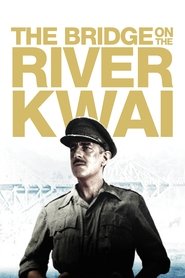
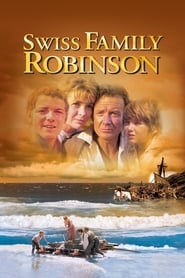
Sessue Hayakawa (June 10, 1889 – November 23, 1973) was a Japanese and American Issei (Japanese immigrant) actor who starred in American, Japanese, French, German, and British films. Hayakawa was the first and one of the few Asian actors to find stardom in the United States as well as Europe. Between the mid-1910s and the late 1920s, he was as well known as actors Charlie Chaplin and Douglas Fairbanks. He was one of the highest paid stars of his time; making $5,000 a week in 1915, and $2 million a year via his own production company during the 1920s. He starred in over 80 movies and has two films in the U.S. National Film Registry. His international stardom transitioned both silent films and talkies. Of his English-language films, Hayakawa is probably best known for his role as Colonel Saito in the film The Bridge on the River Kwai, for which he received a nomination for Academy Award Best Supporting Actor in 1957. He also appeared as the pirate leader in Disney's Swiss Family Robinson in 1960. In addition to his film acting career, Hayakawa was a theatre actor, film and theatre producer, film director, screenwriter, novelist, martial artist, and an ordained Zen master. Description above from the Wikipedia article Sessue Hayakawa, licensed under CC-BY-SA, full list of contributors on Wikipedia.
Trophy Case
Show all 2 award citations
- 1957NomGolden Globe Award for Best Supporting Actor – Motion Picture — The Bridge on the River Kwai
- 1958NomAcademy Award for Best Supporting Actor — The Bridge on the River Kwai
Game Log
Count | Film | Character | Awards | |||||||||
|---|---|---|---|---|---|---|---|---|---|---|---|---|
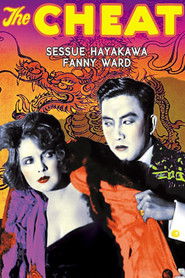
| 1915 | Hishuru Tori [Haka Arakau] | #2 billed | — | 90% | MC ↗ | 65 | 0.5 | 0.9 | — | |||
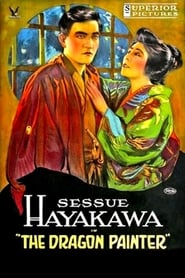
| 1919 | Tatsu - the Dragon Painter | #1 billed | — | 91% | MC ↗ | 66 | 0.6 | 1.0 | — | |||
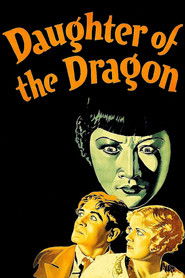
| 1931 | Ah Kee | #3 billed | — | 71% | MC ↗ | 56 | 0.2 | 0.4 | — | |||
| 1949 | Baron Kimura | #4 billed | — | RT ↗ | MC ↗ | 63 | 0.3 | 0.0 | — | |||
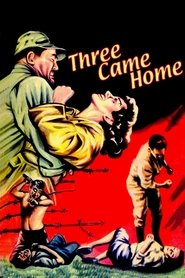
| 1950 | Colonel Michio Suga | #4 billed | $2M | 100% | MC ↗ | 73 | 0.6 | 0.7 | — | |||
| 1955 | Inspector Kito | #6 billed | — | 85% | MC ↗ | 68 | 0.3 | 0.3 | — | |||
| 1957 | Col. Saito | #4 billed | $27M | 96% | 88 | 81 | 2.6 | 2.3 | Oscar nomGG nom | |||
| 1958 | Mr. Sikita | #4 billed | — | RT ↗ | MC ↗ | 64 | 0.3 | 0.0 | — | |||
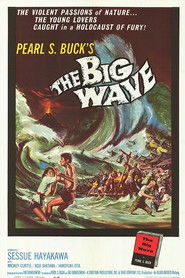
| 1959 | Runi | #4 billed | — | RT ↗ | MC ↗ | 53 | 0.1 | 0.0 | — | |||
| 1960 | General Matsui | #3 billed | — | 83% | MC ↗ | 69 | 0.6 | 0.6 | — | |||
| 1960 | Kuala, Pirate Chief | #5 billed | $40M | 81% | 61 | 71 | 2.3 | 0.3 | — | |||
| 1961 | The Old Man | #5 billed | — | RT ↗ | MC ↗ | 55 | 0.1 | 0.0 | — | |||
| 1966 | The Mole (voice) | #9 billed | — | RT ↗ | MC ↗ | 61 | 0.2 | 0.0 | — |


How we measure: Only released feature films (40+ minutes) are counted — video box sets, compilations, shorts, documentaries, and upcoming releases are excluded unless award-recognized. Box office is the domestic (US & Canada) theatrical gross, and PACINO always adjusts it to 2026 dollars using historical US Bureau of Labor Statistics CPI-U annual averages (1913–2026) so stars from every era compete on equal footing. Overseas earnings are not counted, which can undersell stars whose biggest hits played mainly abroad. Reception blends critics (75% Metacritic, 25% Rotten Tomatoes, with RT-only films calibrated to that same blend) 50/50 with fans (IMDb user ratings). Click any film's PACINO score for its full breakdown. Figures come from public sources and can be incomplete, especially for older, foreign and smaller releases.