

Barbra Streisand
Born 1942-04-24 · Williamsburg, Brooklyn, New York, USA · 1968–2012
Biography
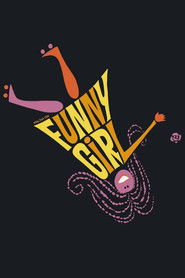
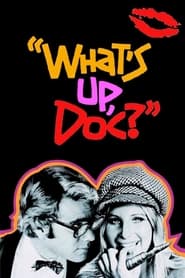
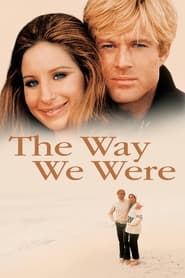
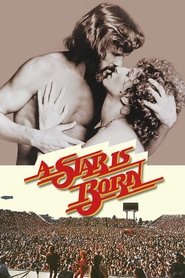
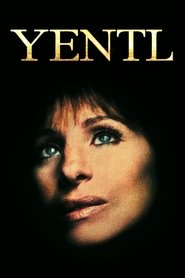
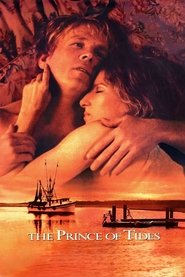
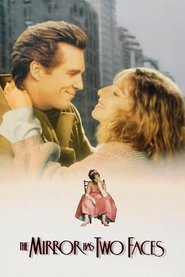
Barbara Joan 'Barbra' Streisand (born April 24, 1942) is an American singer, actress and director. With a career spanning over six decades, she has achieved success in multiple fields of entertainment, and is among the few performers awarded an Emmy, Grammy, Oscar, and Tony (EGOT). With sales exceeding 150 million records worldwide, she is one of the best-selling recording artists of all time. According to the Recording Industry Association of America (RIAA), she is the second highest-certified female artist in the United States, with 68.5 million certified album units. Billboard ranked her as the greatest female artist on the Billboard 200 chart and the top Adult Contemporary female artist of all time. Her accolades include two Academy Awards, 10 Grammy Awards including the Grammy Lifetime Achievement Award and the Grammy Legend Award, five Emmy Awards, four Peabody Awards, the Presidential Medal of Freedom, and nine Golden Globes. She began her career by performing in nightclubs and Broadway theaters in the early 1960s. Following her guest appearances on various television shows, she signed to Columbia Records, insisting that she retain full artistic control, and accepting lower pay in exchange, an arrangement that continued throughout her career, and released her debut The Barbra Streisand Album (1963), which won the Grammy Award for Album of the Year. Throughout her recording career, she has topped the US Billboard 200 chart with 11 albums—a record for a woman—including People (1964), The Way We Were (1974), Guilty (1980), and The Broadway Album (1985). She also achieved five number-one singles on the US Billboard Hot 100—"The Way We Were", "Evergreen", "You Don't Bring Me Flowers", "No More Tears (Enough Is Enough)", and "Woman in Love". Following her established recording success in the 1960s, she ventured into film by the end of that decade. She starred in the critically acclaimed Funny Girl (1968), for which she won the Academy Award for Best Actress. Additional fame followed with films including the extravagant musical Hello, Dolly! (1969), the screwball comedy What's Up, Doc? (1972), and the romantic drama The Way We Were (1973). She won a second Academy Award for writing the love theme from A Star Is Born (1976), the first woman to be honored as a composer. With the release of Yentl (1983), she became the first woman to write, produce, direct, and star in a major studio film. The film won an Oscar for Best Score and a Golden Globe for Best Motion Picture Musical. She also received the Golden Globe Award for Best Director, becoming the first (and for 37 years, the only) woman to win that award. She later directed The Prince of Tides (1991) and The Mirror Has Two Faces (1996).
Trophy Case
Show all 17 award citations
- 1968WONGolden Globe Award for Best Actress in a Motion Picture – Musical or Comedy — Funny Girl
- 1969NomBAFTA Award for Best Actress in a Leading Role — Funny Girl
- 1969WONAcademy Award for Best Actress — Funny Girl
- 1969NomGolden Globe Award for Best Actress in a Motion Picture – Musical or Comedy — Hello, Dolly!
- 1970NomGolden Globe Award for Best Actress in a Motion Picture – Musical or Comedy — The Owl and the Pussycat
- 1973NomGolden Globe Award for Best Actress – Motion Picture Drama — The Way We Were
- 1974NomAcademy Award for Best Actress
- 1974NomBAFTA Award for Best Actress in a Leading Role — The Way We Were
- 1975NomGolden Globe Award for Best Actress in a Motion Picture – Musical or Comedy — Funny Lady
- 1976WONGolden Globe Award for Best Actress in a Motion Picture – Musical or Comedy — A Star Is Born
- 1981NomGolden Raspberry Award for Worst Actress — All Night Long
- 1983NomGolden Globe Award for Best Actress in a Motion Picture – Musical or Comedy — Yentl
- 1983NomGolden Raspberry Award for Worst Actor — Yentl
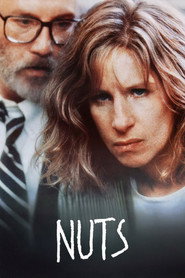
- 1987NomGolden Globe Award for Best Actress – Motion Picture Drama — Nuts
- 1996NomGolden Globe Award for Best Actress in a Motion Picture – Musical or Comedy — The Mirror Has Two Faces
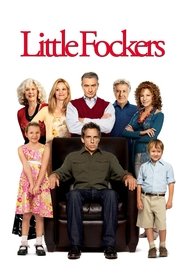
- 2010NomGolden Raspberry Award for Worst Supporting Actress — Little Fockers
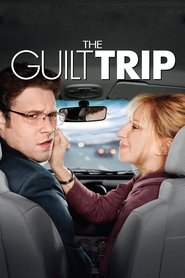
- 2012NomGolden Raspberry Award for Worst Actress — The Guilt Trip
Game Log
Count | Film | Character | Awards | |||||||||
|---|---|---|---|---|---|---|---|---|---|---|---|---|
| 1968 | Fanny Brice | #1 billed | $52M | 95% | 88 | 74 | 3.2 | 8.1 | OscarGGBAFTA nom | |||
| 1969 | Dolly Levi | #1 billed | $0.4M | 43% | 51 | 71 | 0.9 | 0.3 | GG nom | |||
| 1970 | Doris | #1 billed | $24M | 80% | MC ↗ | 64 | 1.5 | 1.1 | GG nom | |||
| 1970 | Daisy Gamble | #1 billed | $14M | 100% | MC ↗ | 64 | 1.1 | 1.2 | — | |||
| 1972 | Judy Maxwell | #1 billed | $66M | 88% | 73 | 76 | 3.2 | 0.9 | — | |||
| 1972 | Margaret Reynolds | #1 billed | — | 67% | MC ↗ | 57 | 0.3 | 0.4 | — | |||
| 1973 | Katie Morosky | #1 billed | $45M | 65% | 61 | 70 | 2.4 | 3.2 | Oscar nomGG nomBAFTA nom | |||
| 1974 | Henrietta 'Henry' Robbins | #1 billed | $6M | 50% | MC ↗ | 62 | 0.7 | 0.0 | — | |||
| 1975 | Fanny Brice | #1 billed | $39M | 55% | MC ↗ | 62 | 1.6 | 0.5 | GG nom | |||
| 1976 | Esther Hoffman | #1 billed | $80M | 37% | 59 | 61 | 2.5 | 1.1 | GG | |||
| 1979 | Hillary Kramer | #1 billed | $43M | 33% | MC ↗ | 55 | 1.1 | -0.4 | — | |||
| 1981 | Cheryl Gibbons | #2 billed | $5M | 33% | MC ↗ | 55 | 0.3 | -0.3 | Razzie nom | |||
| 1983 | Yentl | #1 billed | $40M | 69% | 68 | 66 | 1.3 | 1.0 | GG nomRazzie nom | |||
| 1987 | Claudia Draper | #1 billed | $31M | 42% | MC ↗ | 66 | 1.1 | 0.2 | GG nom | |||
| 1991 | Susan Lowenstein | #2 billed | $75M | 69% | 65 | 68 | 1.4 | 0.5 | — | |||
| 1996 | Rose Morgan | #1 billed | $41M | 51% | 50 | 67 | 1.1 | 0.3 | GG nom | |||
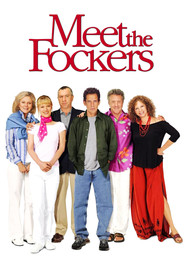
| 2004 | Rozalin Focker | #4 billed | $279M | 38% | 41 | 64 | 1.8 | -0.2 | — | |||
| 2010 | Rozalin Focker | #5 billed | $148M | 9% | 27 | 55 | 0.8 | -0.6 | Razzie nom | |||
| 2012 | Joyce Brewster | #2 billed | $37M | 35% | 50 | 58 | 0.5 | -0.1 | Razzie nom |







How we measure: Only released feature films (40+ minutes) are counted — video box sets, compilations, shorts, documentaries, and upcoming releases are excluded unless award-recognized. Box office is the domestic (US & Canada) theatrical gross, and PACINO always adjusts it to 2026 dollars using historical US Bureau of Labor Statistics CPI-U annual averages (1913–2026) so stars from every era compete on equal footing. Overseas earnings are not counted, which can undersell stars whose biggest hits played mainly abroad. Reception blends critics (75% Metacritic, 25% Rotten Tomatoes, with RT-only films calibrated to that same blend) 50/50 with fans (IMDb user ratings). Click any film's PACINO score for its full breakdown. Figures come from public sources and can be incomplete, especially for older, foreign and smaller releases.