
Biography
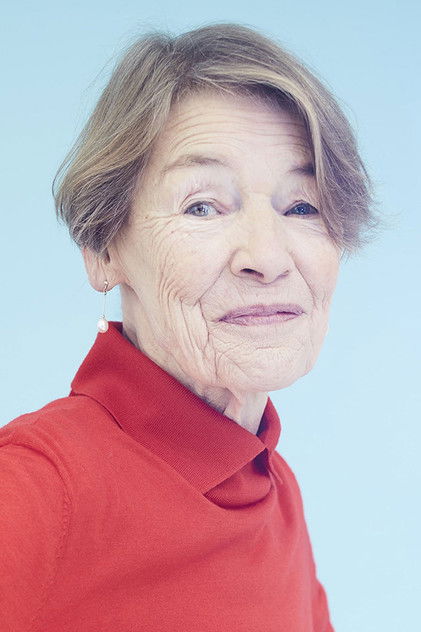
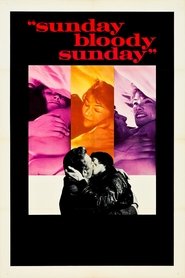
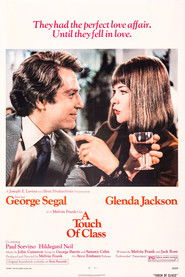
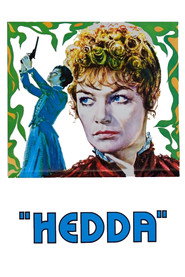
Glenda May Jackson CBE (9 May 1936, Birkenhead, Cheshire – 15 June 2023) was an English actress and politician. She was one of the few artists to achieve the Triple Crown of Acting, having won two Academy Awards, three Emmy Awards and a Tony Award. She was made a CBE by Queen Elizabeth II in 1978. She won the Academy Award for Best Actress twice: for her roles in Women in Love (1970) and A Touch of Class (1973). She won the BAFTA Award for Best Actress in a Leading Role for Sunday Bloody Sunday (1971). Her other notable roles include Mary, Queen of Scots (1971), Hedda (1975), The Incredible Sarah (1976) and Hopscotch (1980). She won two Primetime Emmy Awards for her role as Elizabeth I in the BBC series Elizabeth R (1971). She received the British Academy Television Award for Best Actress for her role in Elizabeth Is Missing (2019). Jackson studied at the Royal Academy of Dramatic Art (RADA). She made her Broadway debut in Marat/Sade (1966). She received five Laurence Olivier Award nominations for her West End roles in Stevie (1977), Antony and Cleopatra (1979), Rose (1980), Strange Interlude (1984) and King Lear (2016), the later being her first role after a 25 year absence from acting, which she reprised on Broadway in 2019. She won the Tony Award for Best Actress in a Play for her role in the revival of Edward Albee's Three Tall Women (2018). Jackson took a hiatus from acting to take on a career in politics from 1992 to 2015, and was elected as the Labour Party MP for Hampstead and Highgate in the 1992 general election. She served as a junior transport minister from 1997 to 1999 during the government of Tony Blair, later becoming critical of Blair. After constituency boundary changes, she represented Hampstead and Kilburn from 2010. At the 2010 general election, her majority of 42 votes, confirmed after a recount, was the narrowest of that parliament. Jackson stood down at the 2015 general election and returned to acting.
Trophy Case
Show all 13 award citations
- 1969NomBAFTA Award for Best Actress in a Leading Role — Women in Love
- 1970NomGolden Globe Award for Best Actress – Motion Picture Drama — Women in Love
- 1971NomGolden Globe Award for Best Actress – Motion Picture Drama — Mary, Queen of Scots
- 1971WONAcademy Award for Best Actress — Women in Love
- 1971WONBAFTA Award for Best Actress in a Leading Role — Sunday Bloody Sunday
- 1972NomAcademy Award for Best Actress — Sunday, Bloody Sunday
- 1973NomBAFTA Award for Best Actress in a Leading Role — A Touch of Class
- 1973WONGolden Globe Award for Best Actress in a Motion Picture – Musical or Comedy — A Touch of Class
- 1974WONAcademy Award for Best Actress — A Touch of Class
- 1975NomGolden Globe Award for Best Actress – Motion Picture Drama — Hedda
- 1976NomAcademy Award for Best Actress — Hedda
- 1976NomGolden Globe Award for Best Actress – Motion Picture Drama — The Incredible Sarah
- 1978NomGolden Globe Award for Best Actress – Motion Picture Drama — Stevie
Game Log
Count | Film | Character | Awards | |||||||||
|---|---|---|---|---|---|---|---|---|---|---|---|---|
| 1963 | Singer at Party (uncredited) | #26 billed | — | 96% | MC ↗ | 75 | 0.2 | 0.2 | — | |||
| 1967 | Charlotte Corday | #5 billed | — | 93% | MC ↗ | 75 | 0.6 | 0.6 | — | |||
| 1968 | Vivien | #3 billed | — | RT ↗ | MC ↗ | 58 | 0.2 | 0.0 | — | |||
| 1969 | Gudrun Brangwen | #3 billed | — | RT ↗ | MC ↗ | 71 | 0.6 | 6.0 | OscarBAFTA nomGG nom | |||
| 1971 | Alex Greville | #2 billed | $0.5M | 83% | MC ↗ | 70 | 0.7 | 4.0 | Oscar nomBAFTA | |||
| 1971 | Queen Elizabeth | #2 billed | $2M | 67% | 53 | 71 | 0.8 | 0.5 | GG nom | |||
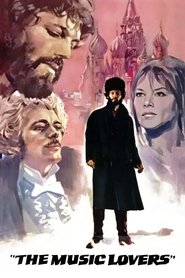
| 1971 | Antonina 'Nina' Milyukova | #2 billed | — | 59% | MC ↗ | 72 | 0.8 | 0.2 | — | |||
| 1971 | Rita Monroe | #19 billed | — | 79% | MC ↗ | 68 | 0.1 | 0.1 | — | |||
| 1972 | Alice Charlesworth | #1 billed | — | RT ↗ | MC ↗ | 64 | 0.6 | 0.0 | — | |||
| 1973 | Vicki Allessio | #2 billed | $18M | 86% | MC ↗ | 65 | 1.1 | 7.5 | OscarBAFTA nomGG | |||
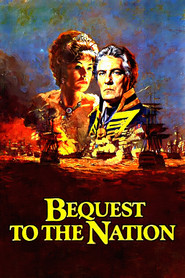
| 1973 | Lady Hamilton | #1 billed | — | RT ↗ | MC ↗ | 63 | 0.5 | 0.0 | — | |||
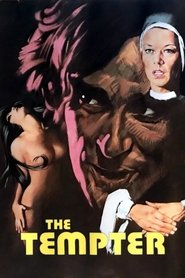
| 1974 | Sister Geraldine | #1 billed | — | RT ↗ | MC ↗ | 62 | 0.5 | 0.0 | — | |||
| 1975 | Hedda | #1 billed | — | RT ↗ | MC ↗ | 64 | 0.6 | 2.3 | Oscar nomGG nom | |||
| 1975 | Elizabeth | #1 billed | — | 80% | MC ↗ | 61 | 0.4 | 0.7 | — | |||
| 1975 | Solange | #1 billed | — | RT ↗ | MC ↗ | 63 | 0.5 | 0.0 | — | |||
| 1976 | Sarah Bernhardt | #1 billed | — | RT ↗ | MC ↗ | IMDb ↗ | 0.0 | 0.3 | GG nom | |||
| 1977 | Sister Alexandra | #1 billed | — | 40% | MC ↗ | 59 | 0.4 | -0.2 | — | |||
| 1978 | Ann Atkinson | #2 billed | $29M | 50% | 49 | 66 | 1.2 | 0.0 | — | |||
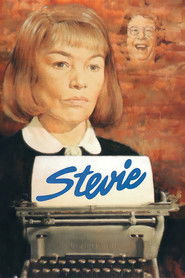
| 1978 | Stevie Smith | #1 billed | — | 60% | MC ↗ | 69 | 0.8 | 0.6 | GG nom | |||
| 1979 | Tricia | #2 billed | $3M | RT ↗ | MC ↗ | 49 | 0.0 | 0.0 | — | |||
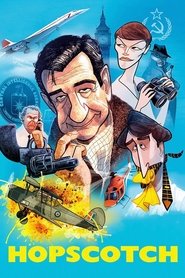
| 1980 | Isobel | #2 billed | — | 80% | MC ↗ | 71 | 0.8 | 0.7 | — | |||
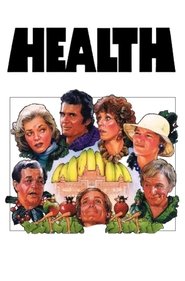
| 1980 | Isabella Garnell | #3 billed | — | RT ↗ | MC ↗ | 56 | 0.2 | 0.0 | — | |||
| 1982 | Sophie | #1 billed | — | RT ↗ | MC ↗ | 57 | 0.3 | 0.0 | — | |||
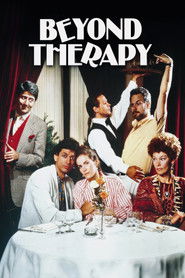
| 1983 | Margaret Grey | #2 billed | — | RT ↗ | MC ↗ | 67 | 0.6 | 0.0 | — | |||
| 1985 | Neaera Duncan | #1 billed | $2M | 82% | MC ↗ | 69 | 0.8 | 0.8 | — | |||
| 1987 | Charlotte | #3 billed | $0.8M | 17% | MC ↗ | 48 | -0.1 | -0.6 | — | |||
| 1987 | Babs Flynn | #1 billed | — | RT ↗ | MC ↗ | 60 | 0.4 | 0.0 | — | |||
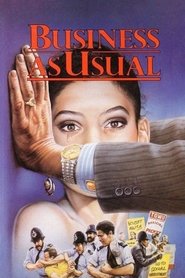
| 1988 | Herodias / Lady Alice | #1 billed | $0.3M | 44% | MC ↗ | 64 | 0.6 | -0.1 | — | |||
| 1989 | Anna Brangwen | #6 billed | $0.4M | 63% | MC ↗ | 63 | 0.2 | 0.1 | — | |||
| 1989 | Miss Ricketts | #1 billed | — | RT ↗ | MC ↗ | 65 | 0.6 | 0.0 | — | |||
| 1990 | Queen Caroline | #2 billed | — | RT ↗ | MC ↗ | 64 | 0.5 | 0.0 | — | |||
| 1991 | Bernarda | #1 billed | — | RT ↗ | MC ↗ | 76 | 1.0 | 0.0 | — | |||
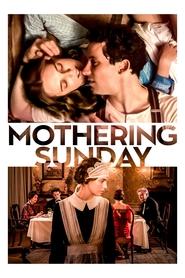
| 2021 | Jane (Older) | #6 billed | $0.3M | 78% | 66 | 61 | 0.2 | 0.3 | — | |||
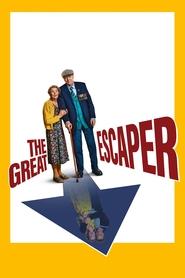
| 2023 | Irene Jordan | #2 billed | — | RT ↗ | 71 | 70 | 0.7 | 0.7 | — |


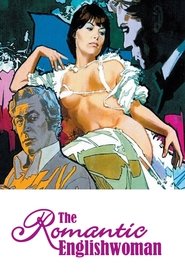
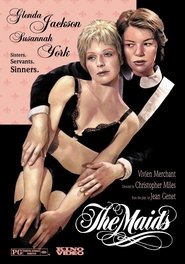
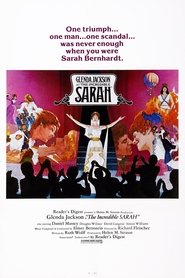

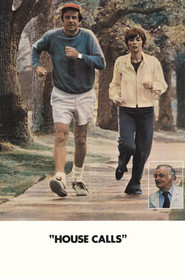






How we measure: Only released feature films (40+ minutes) are counted — video box sets, compilations, shorts, documentaries, and upcoming releases are excluded unless award-recognized. Box office is the domestic (US & Canada) theatrical gross, and PACINO always adjusts it to 2026 dollars using historical US Bureau of Labor Statistics CPI-U annual averages (1913–2026) so stars from every era compete on equal footing. Overseas earnings are not counted, which can undersell stars whose biggest hits played mainly abroad. Reception blends critics (75% Metacritic, 25% Rotten Tomatoes, with RT-only films calibrated to that same blend) 50/50 with fans (IMDb user ratings). Click any film's PACINO score for its full breakdown. Figures come from public sources and can be incomplete, especially for older, foreign and smaller releases.