

Paul Muni
Born 1895-09-21 · Lemberg, Galicia, Austria-Hungary [now Lviv, Ukraine] · 1929–1959
Biography
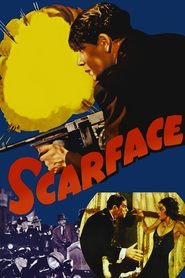
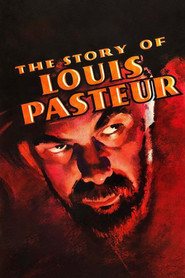
From Wikipedia, the free encyclopedia. Paul Muni (born Meshilem Meier Weisenfreund, September 22, 1895 – August 25, 1967) was an Austro-Hungarian-born American stage and film actor. During the 1930s, he was considered the most prestigious actor at Warner Brothers studios, and one of the rare actors who was given the privilege of choosing which parts he wanted. His acting quality, usually playing a powerful character, such as Scarface, was partly a result of his intense preparation for his parts, often immersing himself in study of the real character's traits and mannerisms. He was also highly skilled in using makeup techniques, a talent he learned from his parents, who were also actors, and from his early years on stage with the Yiddish Theater, in New York. At the age of 12, he played the stage role of an 80-year-old man; in one of his films, Seven Faces, he played seven different characters. He was nominated six times for an Oscar, winning once as Best Actor in The Story of Louis Pasteur. Description above from the Wikipedia article Paul Muni, licensed under CC-BY-SA, full list of contributors on Wikipedia
Trophy Case
Show all 6 award citations
- 1929NomAcademy Award for Best Actor — The Valiant
- 1934NomAcademy Award for Best Actor — I Am a Fugitive from a Chain Gang
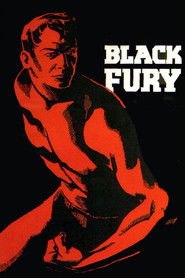
- 1936NomAcademy Award for Best Actor — Black Fury
- 1937WONAcademy Award for Best Actor — The Story of Louis Pasteur
- 1938NomAcademy Award for Best Actor — The Life of Emile Zola
- 1960NomAcademy Award for Best Actor — The Last Angry Man
Game Log
Count | Film | Character | Awards | |||||||||
|---|---|---|---|---|---|---|---|---|---|---|---|---|
| 1929 | James Dyke | #1 billed | — | RT ↗ | MC ↗ | 59 | 0.4 | 2.0 | Oscar nom | |||
| 1932 | Antonio 'Tony' Camonte | #1 billed | — | 98% | 90 | 77 | 1.1 | 1.5 | — | |||
| 1932 | James Allen | #1 billed | — | 96% | 87 | 82 | 1.3 | 3.3 | Oscar nom | |||
| 1935 | Johnny Ramirez | #1 billed | — | RT ↗ | MC ↗ | 66 | 0.6 | 0.0 | — | |||
| 1935 | Joe Radek | #1 billed | — | RT ↗ | MC ↗ | 64 | 0.6 | 2.0 | Oscar nom | |||
| 1935 | Lee | #1 billed | — | RT ↗ | MC ↗ | 64 | 0.6 | 0.0 | — | |||
| 1936 | Louis Pasteur | #1 billed | — | 90% | MC ↗ | 73 | 0.9 | 6.2 | Oscar | |||
| 1937 | Wang | #1 billed | — | 95% | MC ↗ | 75 | 1.0 | 1.1 | — | |||
| 1937 | Emile Zola | #1 billed | — | 92% | MC ↗ | 71 | 0.8 | 3.0 | Oscar nom | |||
| 1937 | Lt. Claude Maury | #1 billed | — | RT ↗ | MC ↗ | 66 | 0.6 | 0.0 | — | |||
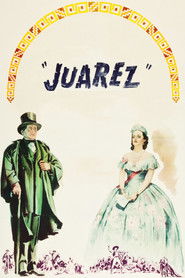
| 1939 | Benito Pablo Juárez | #1 billed | — | 71% | MC ↗ | 69 | 0.8 | 0.5 | — | |||
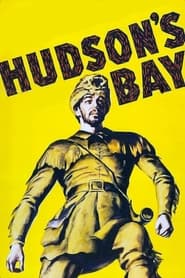
| 1940 | Pierre Esprit Radisson | #1 billed | — | RT ↗ | MC ↗ | 62 | 0.5 | 0.0 | — | |||
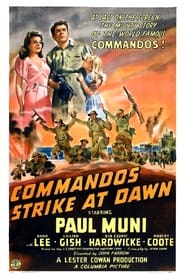
| 1942 | Eric Toresen | #1 billed | $1M | RT ↗ | MC ↗ | 65 | 0.7 | 0.0 | — | |||
| 1943 | Paul Muni | #30 billed | — | RT ↗ | MC ↗ | 63 | 0.1 | 0.0 | — | |||
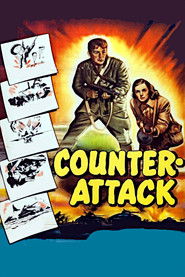
| 1945 | Alexei Kulkov | #1 billed | — | RT ↗ | MC ↗ | 67 | 0.7 | 0.0 | — | |||
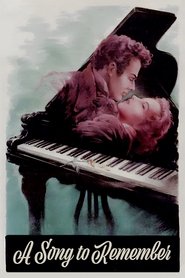
| 1945 | Professor Joseph Elsner | #1 billed | — | RT ↗ | MC ↗ | 66 | 0.6 | 0.0 | — | |||
| 1946 | Eddie Kagle / Judge Fredrick Parker | #1 billed | — | RT ↗ | MC ↗ | 68 | 0.7 | 0.0 | — | |||
| 1952 | The Stranger With A Gun | #1 billed | — | RT ↗ | MC ↗ | 65 | 0.6 | 0.0 | — | |||
| 1959 | Sam Abelman | #1 billed | — | RT ↗ | MC ↗ | 69 | 0.8 | 2.0 | Oscar nom |










How we measure: Only released feature films (40+ minutes) are counted — video box sets, compilations, shorts, documentaries, and upcoming releases are excluded unless award-recognized. Box office is the domestic (US & Canada) theatrical gross, and PACINO always adjusts it to 2026 dollars using historical US Bureau of Labor Statistics CPI-U annual averages (1913–2026) so stars from every era compete on equal footing. Overseas earnings are not counted, which can undersell stars whose biggest hits played mainly abroad. Reception blends critics (75% Metacritic, 25% Rotten Tomatoes, with RT-only films calibrated to that same blend) 50/50 with fans (IMDb user ratings). Click any film's PACINO score for its full breakdown. Figures come from public sources and can be incomplete, especially for older, foreign and smaller releases.