
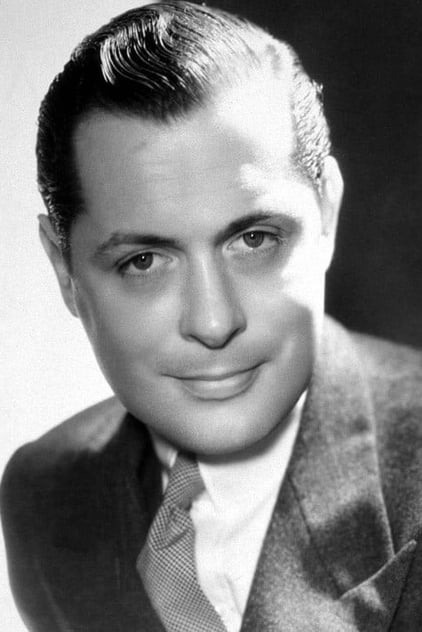
Robert Montgomery
Born 1904-05-21 · Fishkill Landing [now Beacon], New York, USA · 1929–1960
Biography
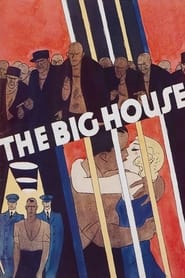
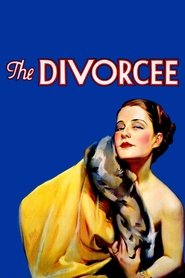
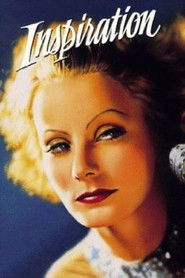
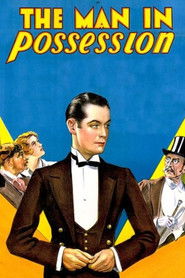
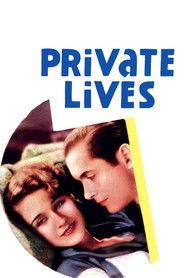
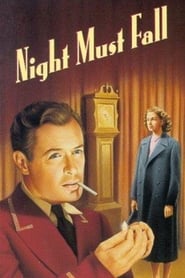
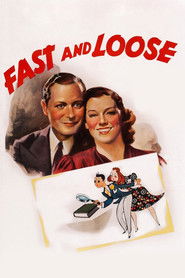
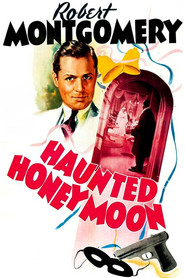
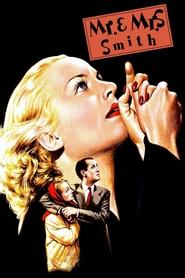
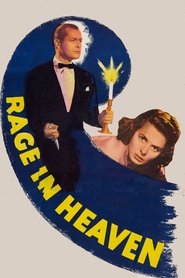
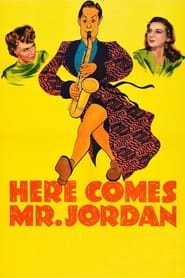
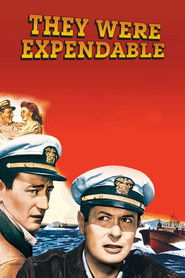
From Wikipedia, the free encyclopedia Robert Montgomery (born Henry Montgomery Jr.; May 21, 1904 – September 27, 1981) was an American film and television actor, director, and producer. He was also the father of actress Elizabeth Montgomery. Montgomery settled in New York City to try his hand at writing and acting. He established a stage career, and became popular enough to turn down an offer to appear opposite Vilma Bánky in the film This Is Heaven (1929). Sharing a stage with George Cukor gave him an entry to Hollywood and a contract with Metro-Goldwyn-Mayer, where he debuted in So This Is College (also 1929). Montgomery initially played exclusively in comedy roles, but portrayed a character in his first drama film in The Big House (1930). MGM was initially reluctant to assign him in such a role, until "his earnestness, and his convincing arguments, with demonstrations of how he would play the character" won him the assignment. From The Big House on, he was in constant demand. Appearing as Greta Garbo's romantic interest in Inspiration (1930) started him toward stardom with a rush. Norma Shearer chose him to star opposite her in The Divorcee (1930), Strangers May Kiss (1931), and Private Lives (1931), which led him to stardom. In another challenging role, Montgomery played a psychopath in the chiller Night Must Fall (1937), for which he received an Academy Award for Best Actor nomination. After World War II broke out in Europe in September, 1939, and while the United States was still officially neutral, Montgomery enlisted in London for American field service and drove ambulances in France until the Dunkirk evacuation. He then returned to Hollywood and addressed a massive rally on the MGM lot for the American Red Cross in July 1940. Montgomery returned to playing light comedy roles, such as Alfred Hitchcock's Mr. & Mrs. Smith (1941) with Carole Lombard. He continued his search for dramatic roles. For his role as Joe Pendleton, a boxer and pilot in Here Comes Mr. Jordan (1941), Montgomery was nominated for an Oscar a second time. After the U.S. entered World War II in December 1941, he joined the United States Navy, rising to the rank of lieutenant commander, and served on the USS Barton (DD-722) which was part of the D-Day invasion on June 6, 1944. In 1945, Montgomery returned to Hollywood, making his uncredited directing debut with They Were Expendable, where he directed some of the PT boat scenes when director John Ford was unable to work for health reasons. Montgomery's first credited film as director and his final film for MGM was the film noir Lady in the Lake (1947), in which he also starred, which received mixed reviews. Adapted from Raymond Chandler's detective novel and sanitized for the censorship of the day, the film is unusual because it was filmed entirely from Marlowe's vantage point. Montgomery only appeared on camera a few times, three times in a mirror reflection. Active in Republican politics and concerned about communist influence in the entertainment industry, Montgomery was a friendly witness before the House Un-American Activities Committee in 1947. Montgomery has two stars on the Hollywood Walk of Fame, one for movies at 6440 Hollywood Boulevard, and another for television at 1631 Vine Street.
Trophy Case
Show all 2 award citations
- 1938NomAcademy Award for Best Actor — Night Must Fall
- 1942NomAcademy Award for Best Actor — Here Comes Mr. Jordan
Game Log
Count | Film | Character | Awards | |||||||||
|---|---|---|---|---|---|---|---|---|---|---|---|---|
| 1929 | John 'Jack' Douglas Cheever | #2 billed | — | RT ↗ | MC ↗ | 58 | 0.3 | 0.0 | — | |||
| 1929 | Biff | #2 billed | — | RT ↗ | MC ↗ | 54 | 0.1 | 0.0 | — | |||
| 1930 | Kent Marlowe | #4 billed | — | 75% | 74 | 71 | 0.5 | 0.5 | — | |||
| 1930 | Don | #4 billed | — | 78% | MC ↗ | 66 | 0.4 | 0.4 | — | |||
| 1930 | Tony Jardine | #4 billed | — | RT ↗ | MC ↗ | 62 | 0.3 | 0.0 | — | |||
| 1930 | Nick Higginson | #2 billed | — | RT ↗ | MC ↗ | 62 | 0.4 | 0.0 | — | |||
| 1931 | André Montell | #2 billed | — | RT ↗ | MC ↗ | 63 | 0.5 | 0.0 | — | |||
| 1931 | Raymond Dabney | #1 billed | — | RT ↗ | MC ↗ | 70 | 0.8 | 0.0 | — | |||
| 1931 | Elyot Chase | #2 billed | — | 80% | MC ↗ | 67 | 0.6 | 0.7 | — | |||
| 1931 | Jack Madison | #3 billed | — | RT ↗ | MC ↗ | 62 | 0.4 | 0.0 | — | |||
| 1932 | Jerry Darrow | #2 billed | — | RT ↗ | MC ↗ | 67 | 0.6 | 0.0 | — | |||
| 1933 | Auguste Pellerin | #5 billed | — | RT ↗ | MC ↗ | 62 | 0.3 | 0.0 | — | |||
| 1933 | Jimmie | #2 billed | — | RT ↗ | MC ↗ | 68 | 0.6 | 0.0 | — | |||
| 1933 | Lieut. Thomas Knowlton USN | #1 billed | — | RT ↗ | MC ↗ | 66 | 0.6 | 0.0 | — | |||
| 1934 | Dillon 'Dill" Todd | #1 billed | — | RT ↗ | MC ↗ | 64 | 0.6 | 0.0 | — | |||
| 1935 | Richard 'Dickie' Kurt | #2 billed | — | RT ↗ | MC ↗ | 61 | 0.4 | 0.0 | — | |||
| 1936 | Dascom Dinsmore | #1 billed | — | RT ↗ | MC ↗ | 62 | 0.5 | 0.0 | — | |||
| 1937 | Freddy Matthews | #2 billed | — | RT ↗ | MC ↗ | 66 | 0.6 | 0.0 | — | |||
| 1937 | Lord Arthur Dilling | #3 billed | — | RT ↗ | MC ↗ | 64 | 0.4 | 0.0 | — | |||
| 1937 | Danny | #1 billed | — | RT ↗ | MC ↗ | 72 | 0.9 | 2.0 | Oscar nom | |||
| 1938 | John O'Hara | #1 billed | — | RT ↗ | MC ↗ | 62 | 0.5 | 0.0 | — | |||
| 1938 | David Conway | #1 billed | — | RT ↗ | MC ↗ | 62 | 0.5 | 0.0 | — | |||
| 1939 | Joel Sloane | #1 billed | — | RT ↗ | MC ↗ | 63 | 0.5 | 0.0 | — | |||
| 1940 | Lord Peter Wimsey | #1 billed | — | RT ↗ | MC ↗ | 62 | 0.5 | 0.0 | — | |||
| 1941 | David | #2 billed | — | 65% | 63 | 63 | 0.5 | 0.4 | — | |||
| 1941 | Philip Monrell | #1 billed | — | RT ↗ | MC ↗ | 64 | 0.6 | 0.0 | — | |||
| 1941 | Joe Pendleton | #1 billed | — | 100% | MC ↗ | 75 | 1.0 | 3.2 | Oscar nom | |||
| 1941 | Tommy Duncan | #2 billed | — | RT ↗ | MC ↗ | 64 | 0.5 | 0.0 | — | |||
| 1945 | Lt. John Brickley | #1 billed | — | 91% | 86 | 72 | 0.9 | 1.3 | — | |||
| 1946 | Phillip Marlowe | #1 billed | — | 60% | MC ↗ | 65 | 0.6 | 0.3 | — | |||
| 1947 | Lucky Gagin | #1 billed | $2M | 100% | MC ↗ | 72 | 1.0 | 1.2 | — | |||
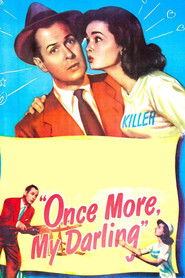
| 1948 | Carey Jackson | #2 billed | — | RT ↗ | MC ↗ | 68 | 0.6 | 0.0 | — | |||
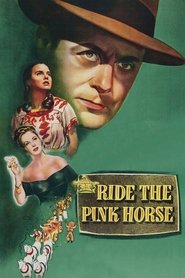
| 1948 | Matt Saxon | #1 billed | — | RT ↗ | MC ↗ | 66 | 0.6 | 0.0 | — | |||
| 1949 | Collier Laing | #1 billed | — | RT ↗ | MC ↗ | 66 | 0.6 | 0.0 | — | |||
| 1950 | Adam Heyward | #1 billed | — | RT ↗ | MC ↗ | 63 | 0.5 | 0.0 | — | |||
| 1960 | Narration (American scenes) | #16 billed | — | RT ↗ | MC ↗ | 71 | 0.1 | 0.0 | — |











How we measure: Only released feature films (40+ minutes) are counted — video box sets, compilations, shorts, documentaries, and upcoming releases are excluded unless award-recognized. Box office is the domestic (US & Canada) theatrical gross, and PACINO always adjusts it to 2026 dollars using historical US Bureau of Labor Statistics CPI-U annual averages (1913–2026) so stars from every era compete on equal footing. Overseas earnings are not counted, which can undersell stars whose biggest hits played mainly abroad. Reception blends critics (75% Metacritic, 25% Rotten Tomatoes, with RT-only films calibrated to that same blend) 50/50 with fans (IMDb user ratings). Click any film's PACINO score for its full breakdown. Figures come from public sources and can be incomplete, especially for older, foreign and smaller releases.